The role of charities in raising awareness of children's rights around the world
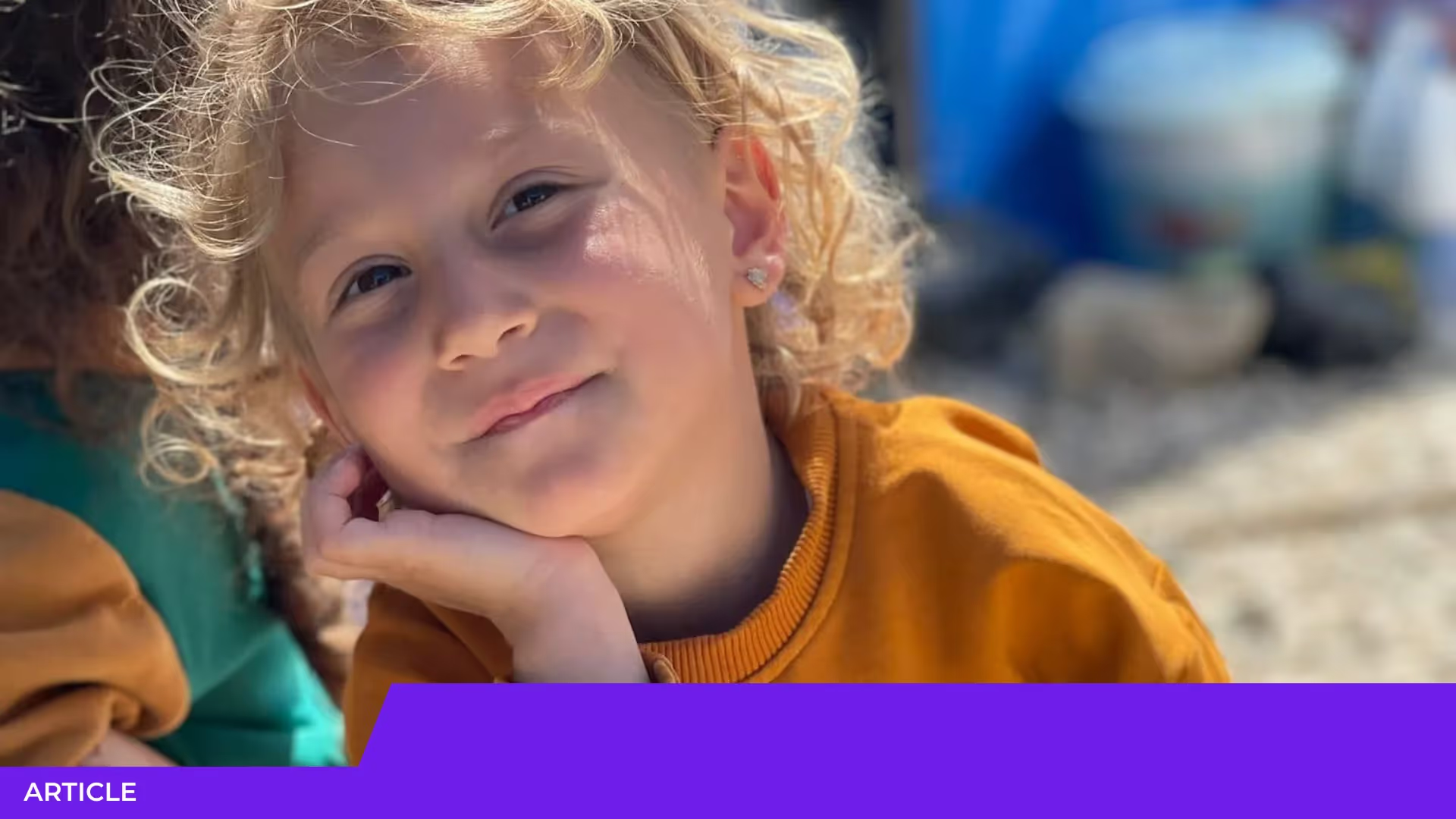
Children's rights are universal, yet far too often they are violated. Many charities work to uphold them around the world. Their mission? To raise awareness, to advocate and to act to protect and promote them. Let's look together at the undeniable impact of their work, their successes and the challenges they face in this fight, which is so essential to children's happiness.
What are children's rights?
Children's rights are a set of standards and principles designed to guarantee children's well-being, protection and fullest development, without discrimination. They apply to everyone under the age of 18, unless local law provides otherwise. On top of the general rights that apply to everyone, children enjoy specific rights tailored to their needs. These take account of their vulnerability and their need to grow and develop.
The United Nations Convention on the Rights of the Child (UNCRC), adopted in 1989, is the main international instrument setting out children's fundamental rights. Signed by 193 nations, it is the most widely ratified international treaty. It recognises that every child has the right to health, to education, to protection from violence, to freedom of expression, to non-discrimination and to take part in decisions that affect them.
Children's rights also include the right to a safe and loving family environment, the right to an identity, including nationality and birth registration, and the right to protection from economic exploitation, child labour, trafficking and other forms of abuse. They also cover the right to play, to rest and to take part in cultural and recreational activities.
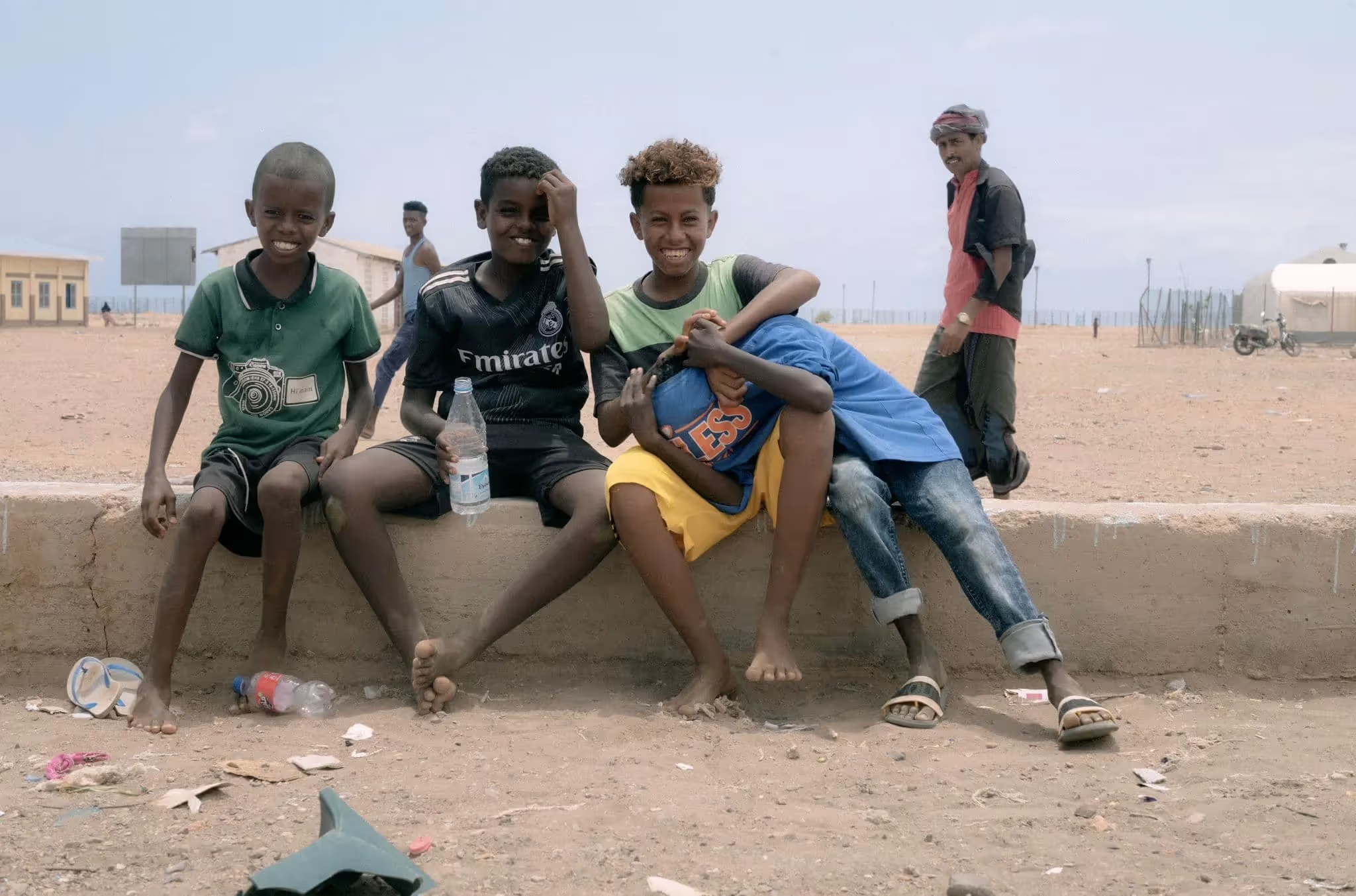
Children's rights therefore aim to ensure that every child enjoys the conditions they need to flourish and reach their potential, while being protected from all forms of violence, neglect and exploitation. Children should be able to enjoy a carefree childhood.
Did you know? Only the United States and Somalia have not ratified the International Convention on the Rights of the Child. In the case of the United States, the Senate rejected it because it prohibits death sentences for crimes committed by children under 18… France was the 2nd country in Europe to sign it, after Sweden.
Opening minds to children's rights
Although states are monitored in how they apply the International Convention on the Rights of the Child by a Committee on the Rights of the Child based in Geneva, there is still a great deal of public awareness-raising to be done on the ground. Through hard-hitting media campaigns and online initiatives, charities share vital information about children's rights and the challenges children face.
Notable examples include the particularly effective campaigns that Amnesty International, UNICEF and Save the Children have run in every country for decades.
Charities also run educational programmes in schools to teach children and young people about their rights, so they know when those rights are being violated and how to respond. These programmes can include workshops, seminars, training sessions and teaching resources.
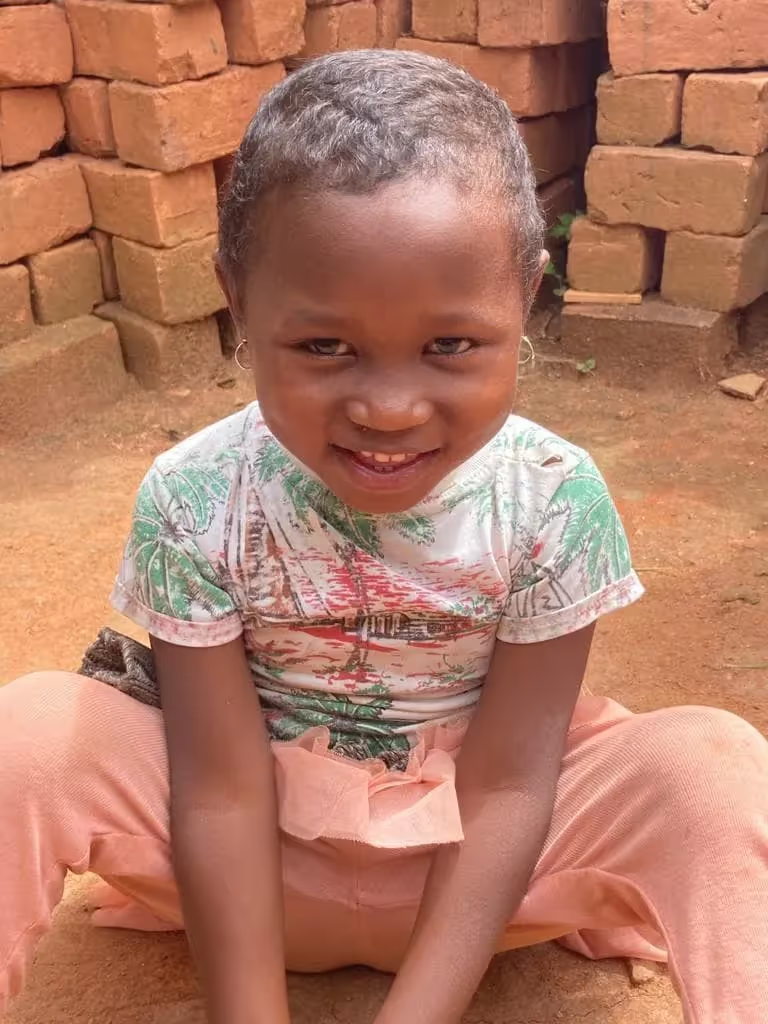
As well as talking to children about their rights, charities also need to train their parents. To do this, they might, for example, set up positive parenting programmes. These build parents' skills in communication, problem-solving and managing behaviour, while placing the emphasis on respecting children's rights.
Examples of this awareness-raising work include:
- The organisation Rwanda Women Network (RWN), which runs counselling programmes for parents in rural areas to promote children's rights. It places particular emphasis on girls' education and protection from violence.
- The charity Child Rights and YOU (CRY) in India, which teaches groups of parents in urban and rural communities across India about the importance of children's rights, through workshops, seminars and awareness campaigns.
- In Europe, there is for example the organisation Eurochild, which works on issues affecting children.
Giving children a voice
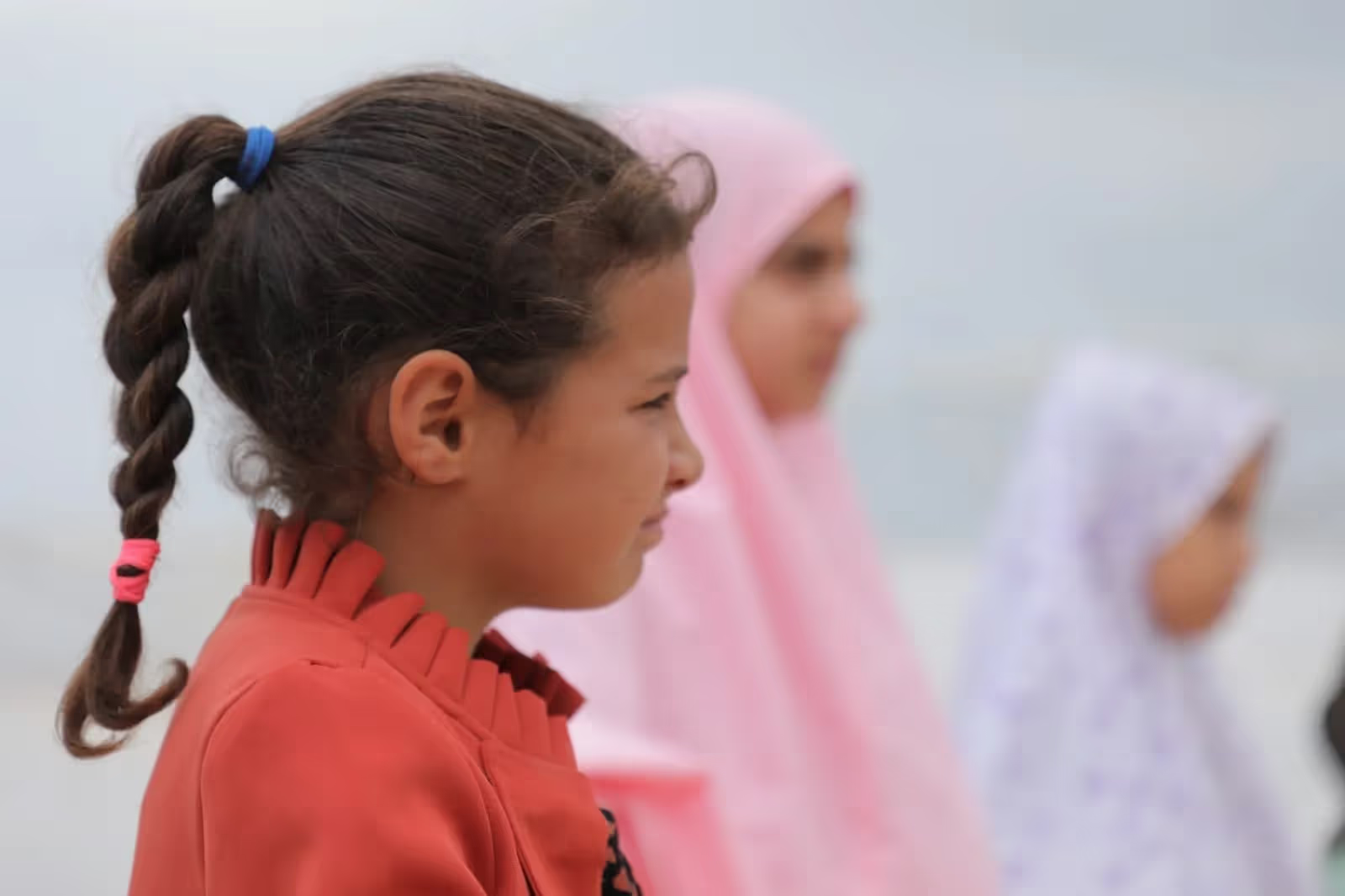
Charities play a vital role in advocating for children's rights with governments and international institutions. Through in-depth research reports and moving testimonies, they shine a light on violations of children's rights and urge the authorities to take concrete action.
In France, according to the Association Mémoire Traumatique et Victimologie, 1 in 5 women and 1 in 4 men report having been victims of sexual violence. 81% of them before the age of 18, 51% before 11, and 21% before 6… These shocking figures are used to campaign for tougher laws and stronger child protection policies.
Charities also encourage children to take part in decision-making. In this way, they ensure that children's voices are heard and taken into account in the policies that affect them.
Turning words into real action
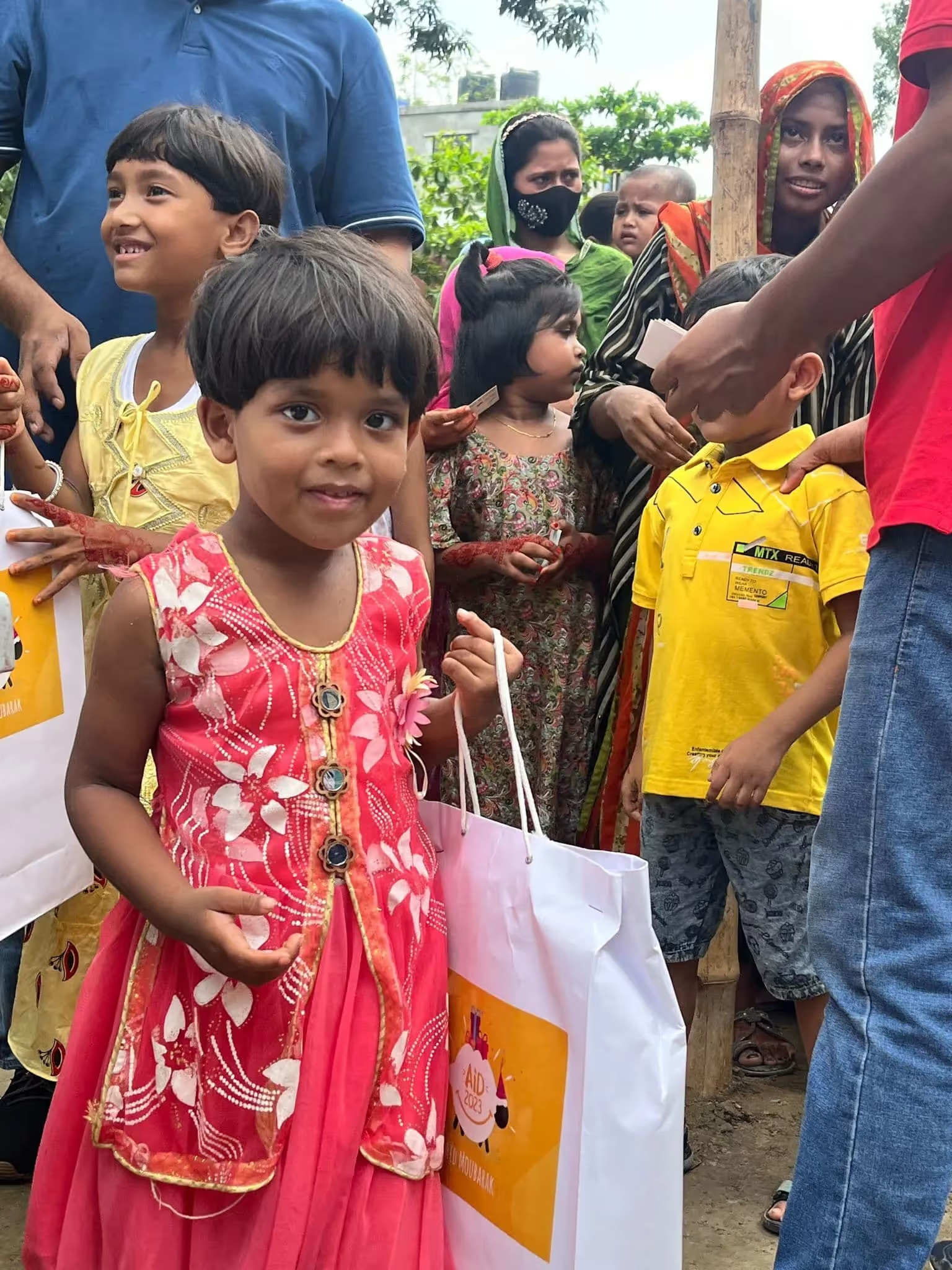
Beyond awareness-raising and advocacy, charities stand out for their practical work on the ground. They provide vital support to vulnerable children, particularly in education, health and protection.
Here are a few telling examples:
As we have seen, access to healthcare is a fundamental right guaranteed by the International Convention on the Rights of the Child. Vaccination is essential to upholding this right. UNICEF is the world's largest supplier of vaccines and is therefore at the heart of the fight against epidemics and childhood diseases. The organisation estimates that over the last 50 years, vaccines have increased infant survival worldwide by 20%. But the fight goes on. The COVID-19 pandemic seriously disrupted vaccination campaigns in many countries. More than a decade of progress was wiped out in 3 years!
Local charities also support and strengthen child protection services, such as telephone helplines, shelters for children who are victims of violence, and reintegration programmes for children living on the streets.
Education: the key to protecting children's rights
Education plays a vital role in protecting children's rights by giving them the knowledge, skills and opportunities they need to flourish and make a positive contribution to society. Charities work actively to ensure fair access to quality education for all children, whatever their socio-economic background, gender or location.
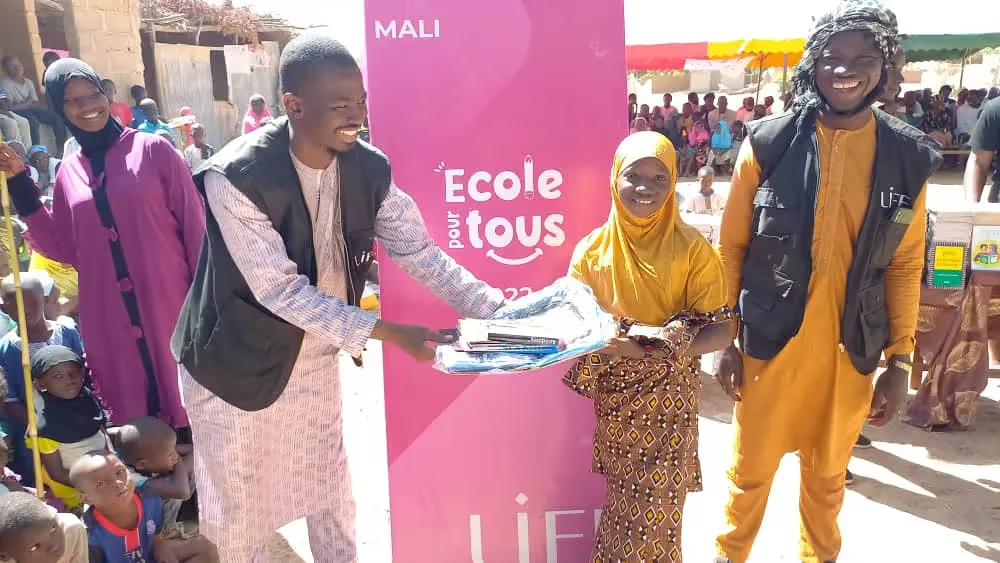
At LIFE, our work is to make school accessible to all children, without discrimination, in many countries. Through our School for All programme, we provide school kits and make sure their whole environment supports their schooling. Building wells for clean drinking water in villages and installing toilets near schools means children, and girls in particular, can go to school without worrying about their safety or the burden of fetching water for their family.
Did you know? According to UNESCO, in 2022 nearly 244 million children and teenagers around the world were not in school, often because of poverty, conflict or discrimination.
The challenges charities face in protecting children's rights
Although charities have achieved major successes in their mission to protect children's rights in Europe and around the world, they still face many challenges in their work. Limited resources, both financial and human, often hamper their ability to respond effectively to the growing needs of vulnerable children. On top of this, armed conflict, humanitarian crises, pandemics, poverty and discrimination threaten children's safety and well-being. All of this makes their work all the harder. To meet these challenges, charities must work together more closely, mobilise more resources and put children's rights at the heart of national and international political agendas.
Charities are the cornerstones of raising awareness of children's rights in Europe and around the world. Their efforts are vital, but in the face of growing challenges, notably those posed by technology (online bullying, for example) and humanitarian crises, they must constantly adapt. To move forward, they absolutely must work with other organisations and develop innovative approaches in step with changing realities.
Ready to help?
I start a fundraiser
Support the causes close to your heart by starting an online fundraiser with LIFE.
Raising funds for a charity has never been easier!