Agroforestry in 4 key questions
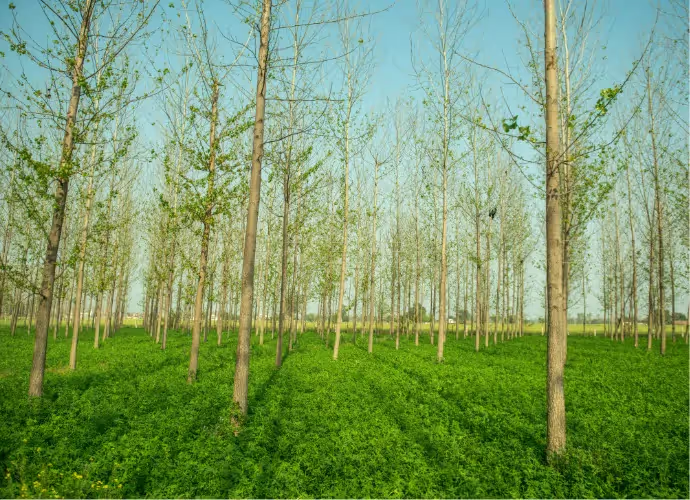
As we work towards a sustainable future, new solutions are emerging to meet the environmental and farming challenges we face. Agroforestry points the way to a sustainable and promising future for our planet.
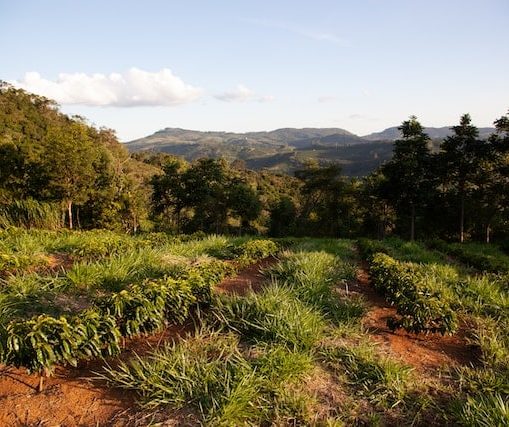
What is agroforestry?
Agroforestry is an age-old farming method that brings together growing crops, raising livestock and preserving trees within a single system. But agroforestry is much more than just a farming method. It is a promising approach that combines crops and trees to create farming systems that are sustainable, productive and kind to the environment.
What are the environmental benefits?
Agroforestry is emerging as a real remedy for the ills affecting our environment. It offers a wide range of environmental benefits, shaping a greener, more sustainable future.
Protecting biodiversity
Imagine a world where biodiversity thrives and ecosystems are vibrant and teeming with life. Agroforestry is a path towards that reality, a gateway to protecting biodiversity. By bringing trees into farmland, agroforestry creates a wider variety of habitats, offering refuge to many plant and animal species. It helps preserve biodiversity, which is essential to keeping ecosystems in balance. And biodiversity is a valuable ally for sustainable farming.
Regenerating the soil
Deep in the earth, a quiet but powerful process of regeneration takes place thanks to trees. They play a crucial role in regenerating the soil. Their roots help prevent erosion, improve soil structure and fix nutrients. What's more, leaves and other organic matter from the trees break down, providing the organic material needed to make the soil more fertile.
This soil regeneration offers an alternative to intensive farming. It reduces reliance on chemicals and encourages more sustainable methods.
Capturing carbon
Trees are champions at capturing carbon. They absorb carbon dioxide from the atmosphere through photosynthesis. By integrating trees into farming systems, agroforestry stores more carbon in plant biomass and in the soil. In this way, it helps reduce greenhouse gas emissions and mitigate the effects of climate change.
Protecting water resources
In our efforts to protect our planet's precious water resources, agroforestry systems play a crucial role. They act as guardians, protecting our rivers, lakes and groundwater from the scourges of erosion and damaging run-off. Agroforestry systems act as protective shields, stopping agricultural chemicals from seeping into groundwater and so keeping our 'blue gold' pure. They maintain water quality for aquatic ecosystems and local communities.
What are the social and economic benefits of agroforestry?
Agroforestry brings many social and economic benefits that help improve the quality of life of local communities.
Stronger food security
Agroforestry diversifies sources of income and food by combining different crops with fruit trees, giving local communities greater food security. Communities have access to a variety of foods, making them less dependent on a single crop. This helps prevent food shortages and ensures a balanced diet for local people.
Resilience to climate change
Agroforestry plays a vital role in helping farmers withstand the effects of climate change. Trees in agroforestry systems act as windbreaks, regulating temperature and reducing the risk of drought or flooding. They also protect against soil erosion and environmental degradation, strengthening communities' ability to face climate challenges.
Creating jobs and making the most of local resources
Agroforestry allows farmers to benefit from non-timber forest products such as fruit, nuts and essential oils, as well as wood and more. These resources create local economic opportunities and support the sustainable development of rural areas. Selling these products can bring farmers extra income and help them diversify their sources of revenue. This helps rural people stay in their home regions and reduces the drift from the countryside to the cities.
What are we doing to support agroforestry?
As an NGO committed to protecting the environment, LIFE firmly believes in the importance of agroforestry in the shift towards farming that respects nature and benefits both local communities and the planet.
Through Sapousse, a planting project that supports reforestation while giving local people a livelihood, we have already replanted more than 250,000 trees, or 100 hectares of forest. But our work goes far beyond simply planting trees. We are determined to raise local awareness about protecting the environment and to promote farming practices that respect the soil and biodiversity.
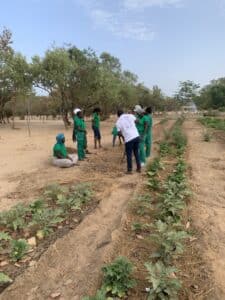
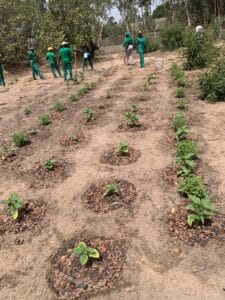
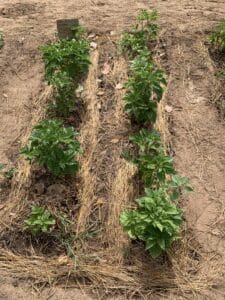
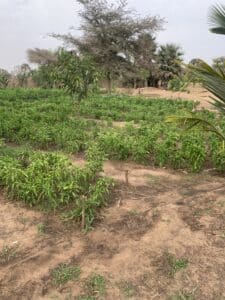
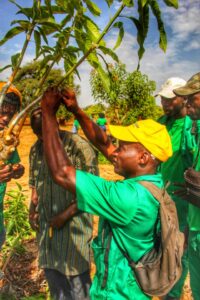
In 2022, we launched a real movement for change at the primary school in the village of Tivaouane Wolof, in the commune of Bala, Senegal. With our bold agroforestry project, we sowed the seeds of a flourishing future. A vegetable garden was set up to develop sustainable farming activities while giving pupils healthy, varied and balanced meals. We inspired pupils and school staff to become guardians of the land by training them in organic vegetable growing and environmental management. Our impact didn't stop at the school gates. We also planted fruit trees and set up vegetable gardens in the village and in other villages in the area, to promote agroforestry and sustainable farming practices across the region.
With LIFE, agroforestry becomes far more than just a farming method. It is a true ecological and social revolution. We are building bridges between people and nature, forging strong and lasting bonds.
Together, let's create a greener, more prosperous and more sustainable future for all.
Ready to help?
I start a fundraiser
Support the causes close to your heart by starting an online fundraiser with LIFE.
Raising funds for a charity has never been easier!