

Gaza: childhood at the heart of a humanitarian crisis
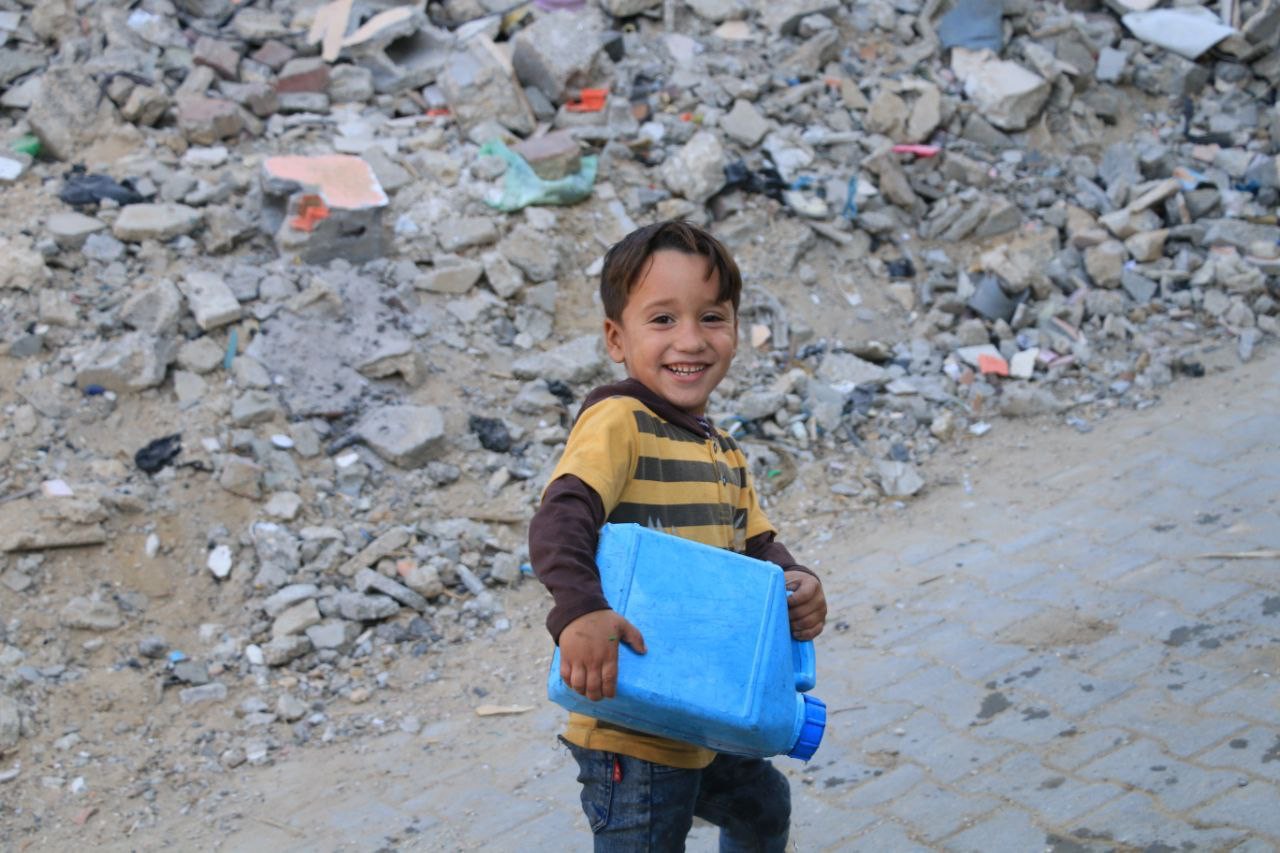
In Gaza, the blockade imposed by Israel in 2007 has tightened considerably since October 2023. Despite a ceasefire agreement that came into force on 19 January 2025, the truce has not put an end to the violence. The delivery of international humanitarian aid remains severely obstructed. At the heart of this unprecedented crisis, children are the first victims, and their day-to-day survival now hangs by a thread.
- 2007
Israel imposes a blockade on the Gaza Strip.
- October 2023
The blockade tightens considerably. The conflict begins, along with mass displacement of the population.
- 19 January 2025
A ceasefire agreement comes into force, but does not end the violence.
- August 2025
Famine is officially declared: close to half a million people are going hungry.
- 10 October 2025
A new ceasefire. Food security improves slightly, but remains critical.
- June 2026
The human toll passes 73,000 dead and 170,000 wounded.
- Autumn 2026
The IPC projects 101,000 children aged 6 months to 5 years in acute malnutrition by mid-October.
The state of a humanitarian crisis
The Gaza Strip, one of the most densely populated territories in the world, is home to 2.1 million people — that is, 2.1 million civilians in a situation of extreme vulnerability, paying the highest price in a crisis that several international organisations have denounced for violations of international law. Since the start of the conflict, the human toll has reached a dramatic threshold, now exceeding 73,000 dead, a majority of them women and children, along with more than 170,000 wounded, the Gaza Ministry of Health stated in June.
From north to south, the Palestinian enclave knows no respite. The intensity of the bombardment and the successive evacuation orders issued by the Israeli army have triggered an exodus within the territory itself. Close to 1.9 million people — almost the entire population of the enclave — have been forced to move at least once, according to OCHA. Pushed out of the north and out of the city, these families have had to head for the centre and the south, in particular Deir al-Balah and the coastal area of Al-Mawasi, two zones identified by the UN as the main points of concentration for displaced people. Uprooted, having had to leave everything behind, they crowd into makeshift camps where extreme overcrowding and precarious living conditions allow disease to spread on a large scale.
Field assessments carried out by OCHA reveal the scale of these unsanitary conditions. Of the roughly 1,600 shelter sites recorded, 80% face a massive and visible proliferation of rodents and pests. As a direct consequence of this severe lack of hygiene, skin diseases have already spread through nearly half of these camps (48%).
For the people of Gaza, access to essentials such as food, drinking water and medicine has turned into a daily fight for survival.
The water crisis: every drop counts
In Gaza, access to drinking water is a priceless luxury. It has become a rare and precious commodity, forcing families to choose every day between drinking, cooking and washing. The population now depends almost entirely on humanitarian aid delivered by water tankers.
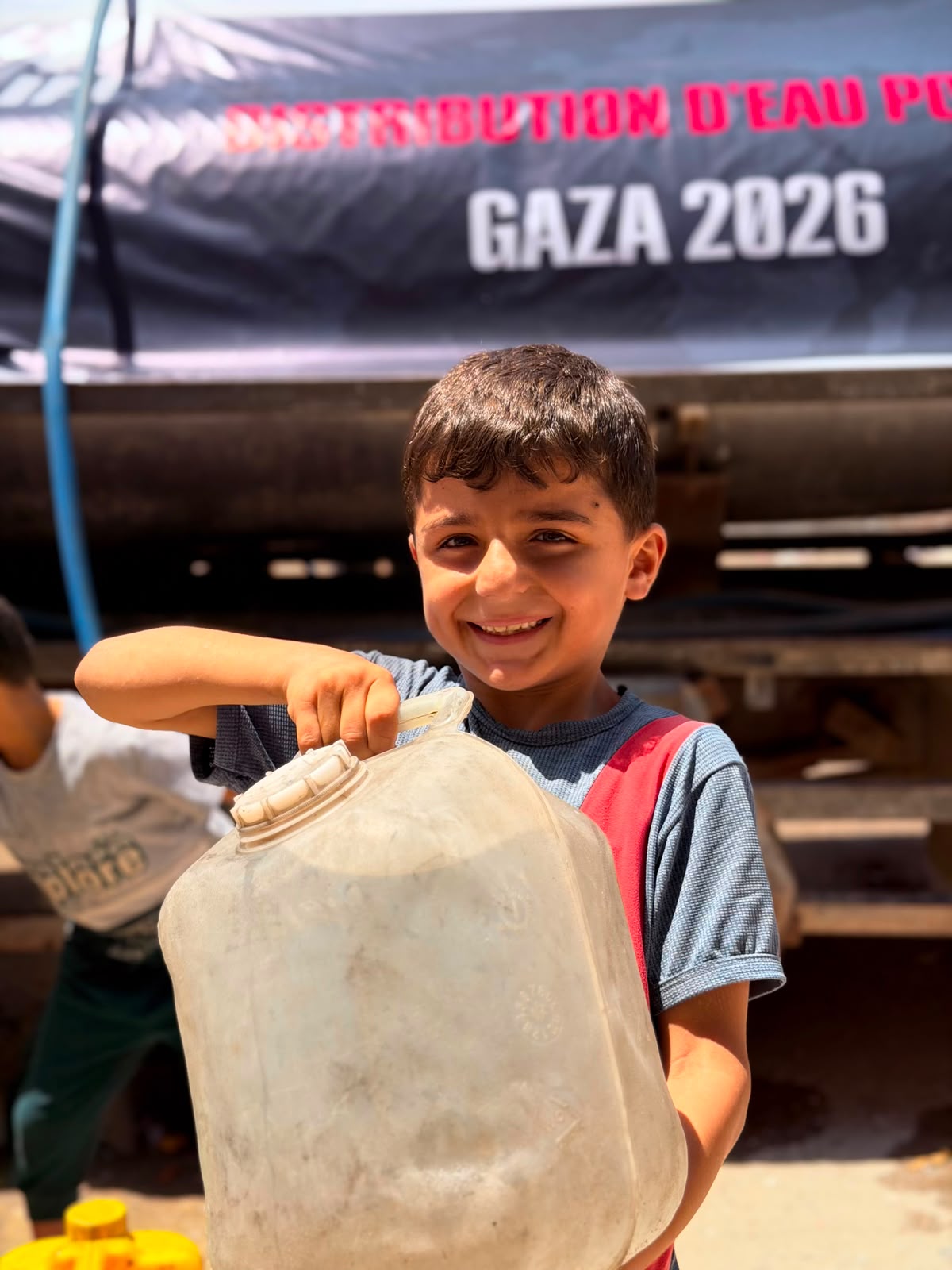
According to the UN, Israel has destroyed or damaged close to 90% of water and sanitation infrastructure, including desalination plants, wells, sewer networks and pipes. UNICEF's figures leave no room for doubt: 82% of Gazan families face water insecurity.
People in Gaza manage to collect only a fraction of the survival threshold recommended by the UN.
Sources: UN, UNICEF.
On top of this comes a total energy paralysis. Without electricity for more than two and a half years, pumping and treatment stations depend on backup generators. But drastic fuel shortages and the blocking of spare parts make it impossible to operate or repair the networks. As a result, water production in Gaza has collapsed to barely 40% of its pre-crisis level, while independent extraction from local wells has been cut by two thirds, as the International Committee of the Red Cross (ICRC) points out.
This critical shortage hits children directly: 1.1 million of them have no guaranteed access to drinking water, the UN estimates. To survive, families have no choice but to extract a little water at the cost of immense effort. With sewer systems completely destroyed, wastewater flows into the open and seeps into the water table.
The food emergency
Although the ceasefire of 10 October 2025 brought a slight improvement compared with the previous August, when famine was officially declared with close to half a million people going hungry, food security in the enclave remains deeply critical. More than 1.6 million people suffer from acute food insecurity.
Projections from the Integrated Food Security Phase Classification (IPC) for autumn 2026 confirm the emergency. By mid-October, close to 101,000 children aged 6 months to 5 years are expected to suffer from acute malnutrition, requiring immediate medical care. More than 31,000 of those are severe cases. Mothers are not spared either: 37,000 pregnant or breastfeeding women will also need emergency treatment.
In the middle of the ruined enclave, the land is devastated. Where farming accounted for 11% of Gaza's GDP before the conflict, agricultural activity has almost entirely died out: barely 4% of the land is still cultivable. Deprived of local production, the population depends entirely on outside aid. Yet the blocking of humanitarian convoys at the borders by the Israeli authorities prevents supplies from coming through, reducing the entry of food trucks to a level far below the population's vital needs. In July 2026, aid was limited to an average of 160 trucks a day into Gaza, and nearly half of it remained stuck at border crossings without being distributed to families, according to the NGO Action Against Hunger.
Although the ceasefire has brought down the price of several staple foods — a box of eggs that cost 140 shekels (about €37) is now 25 shekels (about €7) — these prices remain out of reach for the majority of Gazan families, who struggle to feed themselves with dignity.
Protecting childhood amid the chaos
More than ever, the Gaza Strip has become hostile ground for children: a place of permanent danger, extreme deprivation, trauma and a future suspended in the chaos of war.
The first victims
According to UNICEF data from April 2026, since the ceasefire came into force in October 2025, more than 265 children have been killed — an average of one child every day — and 400 more wounded. Child psychiatrists on the ground and UNICEF teams are sounding the alarm over what they describe as “war trauma”. More than one million children in Gaza need emergency psychosocial support.
An education system wiped out
Nearly two and a half years of continuous attacks on school infrastructure have put the future of an entire generation at risk. More than 90% of schools in the enclave have been damaged or completely destroyed. This educational disaster strikes from the earliest age: more than 335,000 children under 5 are now at risk of severe developmental delays because of the total collapse of early childhood services, UNICEF warns. This forced exclusion from school breaks the last remaining marker of normality in children's lives.
The tragedy of the orphans
Beyond the school benches, the tragedy is also playing out inside homes. More than 64,600 children have lost one or both parents since the start of the war, according to the Palestinian Ministry of Social Development. Among these thousands of cases of distress, UNICEF estimates that at least 17,000 children are now entirely “unaccompanied” or separated from their families.
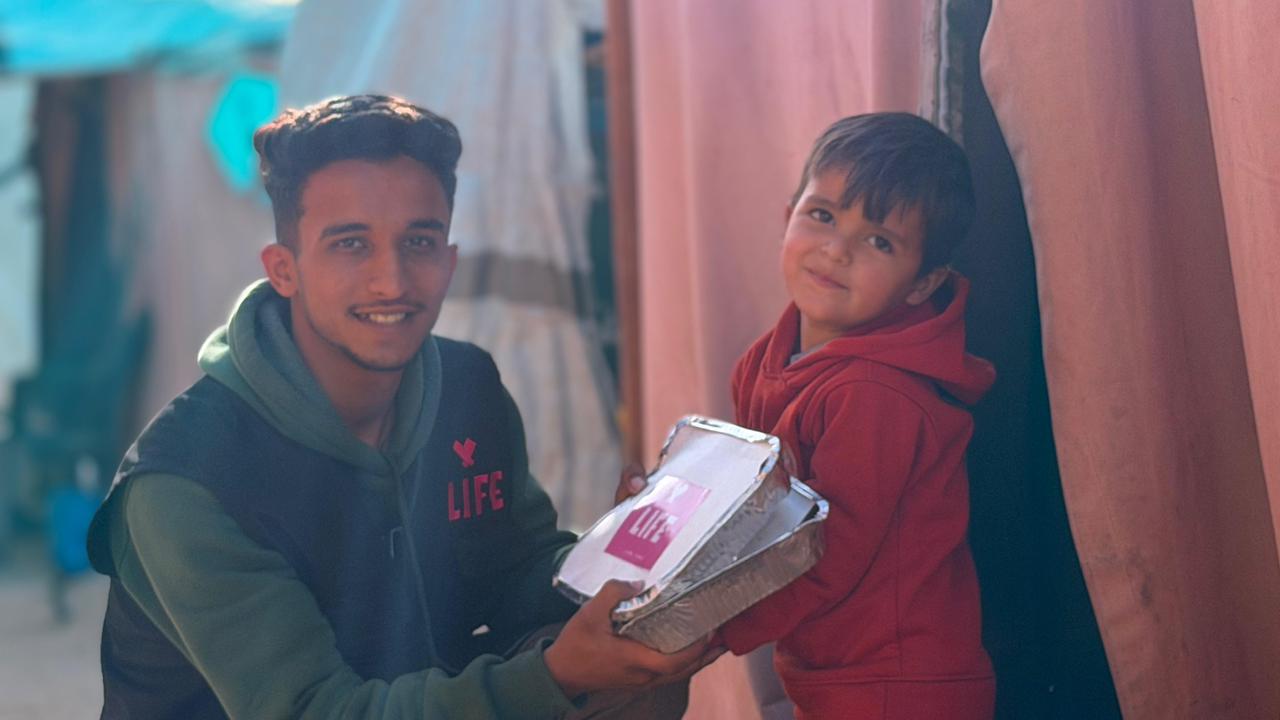
Faced with this emergency, many NGOs and associations are mobilising to provide a targeted response. That is the case of LIFE, which has been working in Gaza for several years and offers a child sponsorship scheme. In practice, the aid takes the form of coded, strictly named and fully traceable vouchers, usable only with partner local traders, to cover essential needs: food, hygiene products, medical care, clothing and school supplies. This kind of programme delivers direct aid to the child while supporting the local economy.
In a Gaza Strip where much of the traditional aid infrastructure has been thrown into disarray, this sponsorship offers a concrete answer to the needs of orphaned children in situations of extreme vulnerability.
- Gaza Ministry of Health (June 2026)
- United Nations Office for the Coordination of Humanitarian Affairs (OCHA)
- United Nations (UN)
- UNICEF (April 2026)
- International Committee of the Red Cross (ICRC)
- Integrated Food Security Phase Classification (IPC, autumn 2026)
- Action Against Hunger
- Palestinian Ministry of Social Development
Faced with this emergency, LIFE ONG offers a child sponsorship scheme in Gaza: named, traceable vouchers usable with partner local traders, covering food, hygiene, healthcare and schooling.
Discover orphan sponsorship →How many children are orphans in Gaza in 2026?
More than 64,600 children have lost one or both parents since the start of the war, including at least 17,000 who are entirely unaccompanied, according to UNICEF and the Palestinian Ministry of Social Development.
Why is access to water so critical in Gaza?
90% of water and sanitation infrastructure has been destroyed or damaged. People have only 4.5 to 6 litres of water per person per day, compared with 150 litres for someone living in France.
How can I help orphaned children in Gaza?
The child sponsorship scheme offered by LIFE ONG covers essential needs (food, hygiene, health, schooling) through named vouchers that can be used with partner local traders.
Is there a famine in Gaza in 2026?
Famine was officially declared in August 2025. The ceasefire of October 2025 brought a slight improvement, but more than 1.6 million people still suffer from acute food insecurity.
How many schools have been destroyed in Gaza?
More than 90% of schools in the enclave have been damaged or completely destroyed after two and a half years of continuous attacks.
Apportez une aide vitale aux familles de Gaza. Chaque don sauve des vies.
Je donne
.png)