
Sponsor an orphan in Gaza: how it works with Life NGO

Sponsoring an orphan in Gaza is, in 2026, one of the most direct ways to help a specific child in a territory where the war that began in October 2023 has left over 58,000 children without a father, a mother, or both (UNICEF estimate relayed by the Palestinian Central Bureau of Statistics, April 2026). Many French families want to help, but they face the same question: how can support sent from France truly reach an identified child in one of the territories where humanitarian access is most restricted in the world?
Sponsorship answers this question differently than a one-time donation. Instead of contributing to a general fund, you support a named child and track how that support is used. Here's how Life ONG's program works in practice.
What is orphan sponsorship, exactly?
Sponsoring is not adopting. You do not become the child's legal guardian, and they do not leave Gaza. Sponsorship is a regular financial commitment intended to cover the essential needs of an identified orphan: food, clothing, healthcare, and schooling.
The difference from a classic donation can be summed up in one word: connection. A one-time donation gets lost among other contributions. Sponsorship is personal: one sponsor, one child. You know who you're helping, and you receive updates about them.
In the context of Gaza, this model takes on particular significance. Extended families who traditionally took in orphaned children are now themselves displaced and destitute. Sponsorship provides support to these vulnerable host families, or directly to the child when they have no one else.
What is life like for a sponsored orphan in Gaza?
To make things concrete, here's what a representative journey looks like, based on the program's actual criteria and the documented situation on the ground.
An eight-year-old child lost their father in a bombing and lives with their displaced mother in a tent camp. The household has no income. Before sponsorship, the daily question is whether there will be enough to eat. Once the child is integrated into the program, their mother receives vouchers linked to her name each month: enough to buy flour, hygiene products, clothes when winter arrives, and to cover school-related expenses when school reopens. The sponsor receives updates on the group of children every three months, then individual updates once a year.
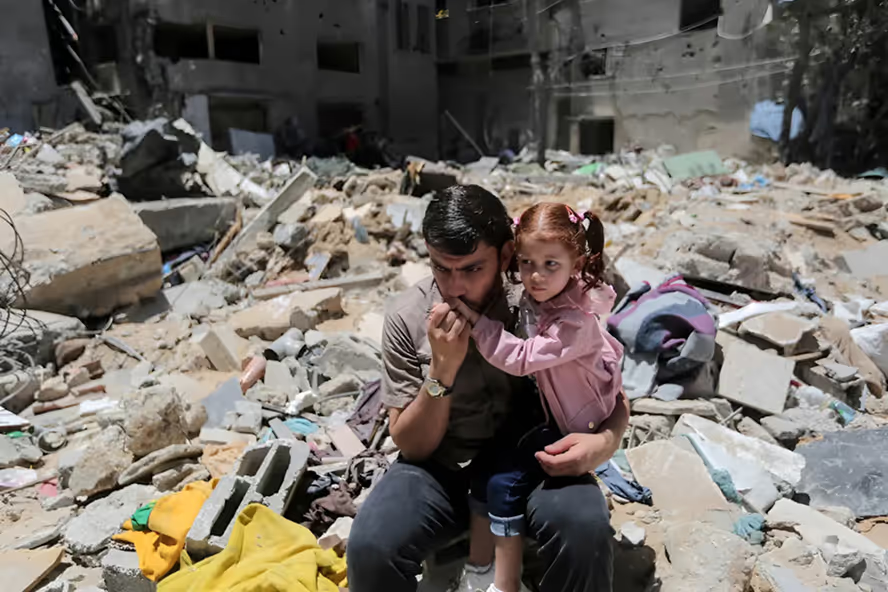
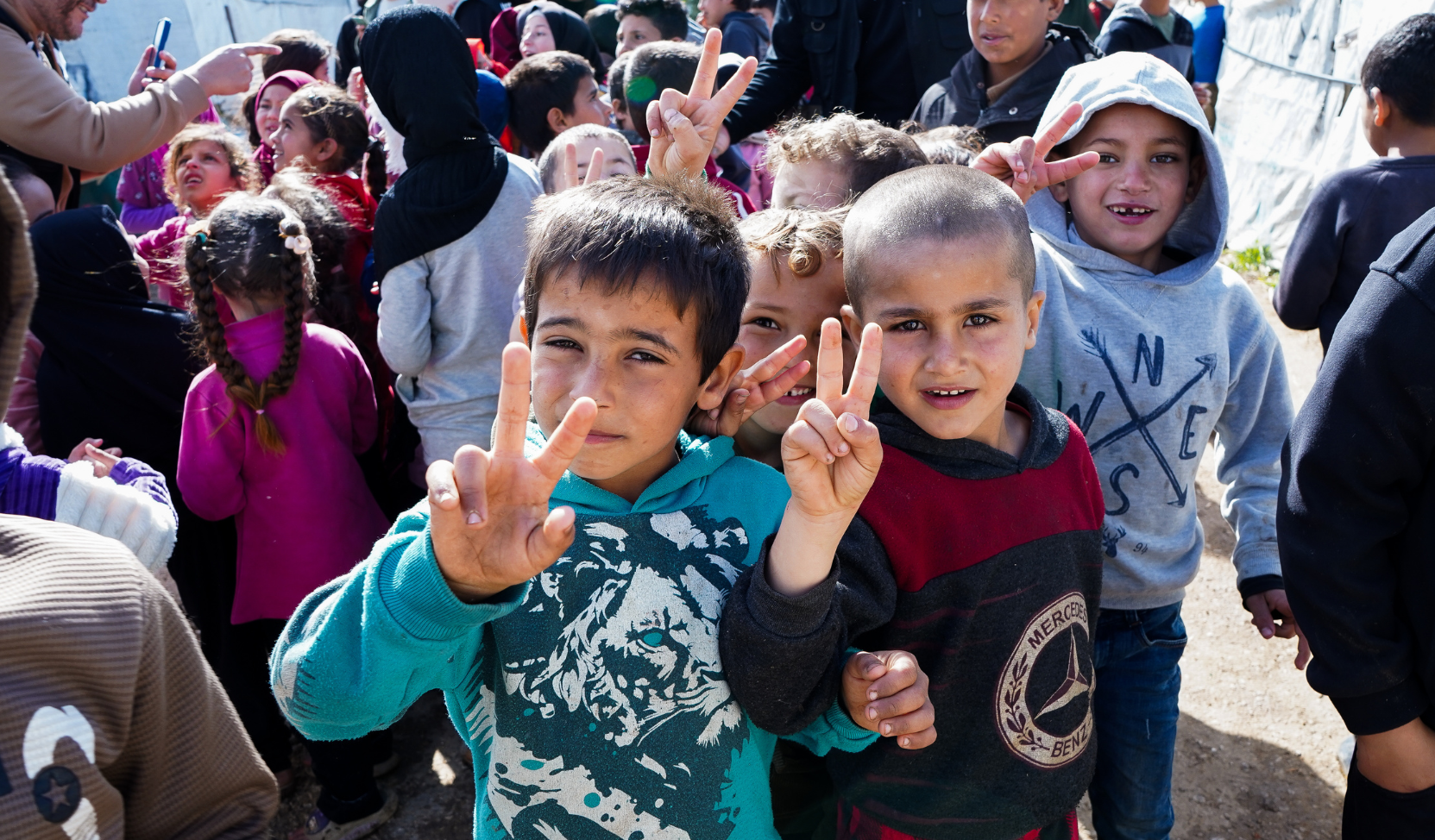
Image : photo of a mother and her displaced child in a camp in Gaza, context of the sponsorship program — alt: "Orphan Gaza displaced camp sponsorship Life ONG mother child"
How much does sponsorship cost and where does the money go?
Sponsoring an orphan in Gaza with Life ONG is set at €78/month. After the 66% tax reduction granted for donations to public interest organizations, the actual cost for the sponsor is approximately €26.52/month.
The breakdown of this amount is transparently displayed by Life:
ItemMonthly AmountDirect support for the child (food, schooling, hygiene, clothing, health)€65Program implementation, logistics, and monitoring€13Total €78
In other words, 83% of your sponsorship goes directly to supporting the child. The remaining €13 are not abstract "administrative fees": they fund the fieldwork that makes the program traceable, which includes selecting children, distributing vouchers, and verifying them.
To understand what this transparency entails and how to verify it with any NGO, our article NGO Transparency: How to Verify the Use of Your Donations details the method.
How does the child receive support? The traceable voucher system
This is what most distinguishes this program from traditional sponsorship. Support is never given in cash. It takes the form of coded purchase vouchers, linked to the child's name, and redeemable only at local merchants who have signed a contract with the field partner.
This mechanism addresses a real problem. In a war context, cash is volatile, subject to rampant inflation, and difficult to trace. A nominative voucher, however, is linked to a child and a specific spending category: food, hygiene, healthcare, clothing, school supplies. Each used voucher is verified in the field.
Specifically, the support process unfolds in three steps:
- You sponsor an identified orphan for €78/month. A child is assigned to you by name.
- The child receives their vouchers monthly, linked to their name, redeemable at contracted local vendors. The vouchers are coded, distributed, and monitored by the field partner.
- You receive updates : every three months for the group of children your sponsored child belongs to, and at least once a year individually.
Image : diagram of a purchase voucher's journey, from the sponsor to the local merchant in Gaza, via the field partner — alt: "Traceable purchase voucher journey orphan sponsorship Gaza Life NGO"
Who selects and monitors the children on the ground?
No French NGO can identify and monitor children in Gaza from Paris. This is why the local partner is crucial: they are the ones doing the actual work on the ground.
Life ONG operates this program with Al-Amal Training Society, a Palestinian organization present in Gaza since 1997. This long-standing presence is important: Al-Amal knew the area well before the current conflict, which gives it an operational capacity that recently arrived organizations do not have.
The field partner carries out four missions:
- The selection of children according to priority criteria (see below)
- The distribution of vouchers assigned to each child
- The monitoring of voucher usage with merchants
- The health and psychosocial monitoring of sponsored children
How are orphans selected?
Children are not selected randomly. The partner applies priority vulnerability criteria:
- Families displaced by conflict
- Households living below the poverty line
- Households headed by single women
- Children with disabilities
The age of sponsored children ranges from 0 to 17 years old. To date, Life has identified 230 orphans in Gaza, and the stated goal is to support 500 children.
Image : photo of a worker from local partner Al-Amal during the identification or follow-up of a child in Gaza — alt: "Local partner Al-Amal monitoring orphans Gaza Life NGO field"
What updates will I receive about my sponsored child?
This is often the first question sponsors ask, and it's a legitimate one: sponsorship without updates is just a disguised donation. Life's program provides two levels of follow-up, accessible through a personal member area.
Every three months, you will receive updates about the group of children your sponsored child belongs to: how the program is progressing, what the vouchers have achieved, and the general situation.
At least once a year, you will receive individual updates about your sponsored child.
This distinction deserves an honest explanation. Why not individual updates every month? Because in Gaza, providing reliable, verified, and secure personalized follow-up is extremely difficult. Promising a monthly report on each child would either be unrealistic or indicate a rushed follow-up. The frequency proposed by Life reflects what is genuinely possible to guarantee in this context, rather than an untenable marketing promise.
Is sponsorship tax-deductible?
Yes. Life NGO is a recognized public interest organization, which entitles you to a tax reduction of 66% of the amount donated, up to a limit of 20% of your taxable income.
Specifically, for a sponsorship of €78/month, or €936 annually, you recover 66% in the form of a tax reduction, bringing the actual cost down to approximately €318 per year, or €26.52/month. The tax receipt is sent once a year.
To fully understand how this receipt works and how to declare it, our article Tax Receipt for Donations: How it Works and How to Get One answers all practical questions.
Can you stop a sponsorship? And what happens to the child?
Life's sponsorship is without a time commitment. You can change the amount, pause, or stop your support at any time from your member area, without needing to provide a reason.
An important clarification, which speaks volumes about the program's logic: if you stop your sponsorship, the child is not suddenly left without support. They continue to be supported by the program until a new sponsor takes over. This means that support for children does not rely on the loyalty of a single sponsor, but on the overall strength of the program.
This is a fundamental difference from the common perception of sponsorship. You are not solely responsible for a child's survival to the point where stopping your support would be catastrophic: you are joining a collective system that protects the child regardless of individual circumstances.
Sponsorship or Free Donation: Which Option to Choose?
Monthly sponsorship is not the only way to help. If a regular commitment of €78/month is not suitable for your situation, Life also offers free donations, for an amount of your choice, either one-time or recurring.
Both approaches are complementary. Sponsorship offers a personal connection and follow-up; free donation offers flexibility. To understand in depth why regular support has more impact than a one-time donation, our article Child Sponsorship in Gaza: Why it's More Effective Than a One-Time Donation compares both models in detail.
And to better understand the scale of the orphan crisis in Gaza and who these children truly are, our article Gaza: 58,000 Orphaned Children, the Largest Crisis in Modern History provides the full context. Finally, if you are still unsure about which organization to entrust with your sponsorship, our guide How to Choose a Reputable Humanitarian Sponsorship Organization gives you all the verification criteria.
How to Start a Sponsorship with Life NGO?
The process is completed online in minutes, on Life's dedicated page. You select monthly sponsorship, confirm your secure donation, and a child identified from the program is assigned to you. You then access your member area to follow their progress. There are no complex administrative procedures or long-term commitments: if your situation changes, you can adjust or stop whenever you wish.
.png)