
Climate Refugees: Who are they and how can we help them?

They are called "climate refugees," "environmentally displaced persons," or "climate migrants." The term varies depending on the organization, but the reality is the same: millions of people are leaving their homes not because of war or persecution, but because their land can no longer feed them, water has engulfed everything, or the heat has become incompatible with survival. This phenomenon is already here. It's accelerating. And it affects populations who have almost nothing to do with the carbon emissions causing these upheavals.
What exactly is a climate refugee?
A climate refugee, or climate-displaced person, is an individual forced to leave their usual place of residence due to environmental changes linked to climate disruption, either temporarily or permanently. The causes of these displacements are numerous:
- Sudden disasters : floods, cyclones, landslides, tsunamis
- Slow-onset degradation : sea-level rise, desertification, prolonged drought, salinization of agricultural land
- Combined shocks : areas where armed conflict and climate change mutually reinforce each other, making any stable life impossible
The vast majority of these displacements occur within the same country : people flee their village for a city or another region, without crossing an international border.
The figures: an unprecedented scale
The scale of the phenomenon is already considerable, and it's accelerating. According to the report published by UNHCR in November 2025 on the occasion of COP30, meteorological disasters have caused the displacement of 250 million people over the last ten years, which is approximately 70,000 per day. In 2024, the IDMC (Internal Displacement Monitoring Centre) recorded a peak of 46 million new disaster-related displacements, double the annual average of the previous decade.
<aside>📌
Image : world map of areas most affected by climate displacement (Sahel, South Asia, Pacific, Horn of Africa) - alt: "Map climate refugees global displacement zones climate change"
</aside>
Who are the most affected populations?
Climate displacement does not affect the world uniformly. It disproportionately impacts populations living in the most exposed areas, with the fewest resources to adapt.
The Sahel and the Horn of Africa
The progressive desertification of the Sahel forces millions of herders and farmers to abandon their lands. In Niger, Chad, Mali, and Burkina Faso, the combination of droughts, armed conflicts, and the depletion of natural resources creates a vicious cycle of repeated displacement.
South Asia
Bangladesh is one of the most affected countries, experiencing floods linked to rising sea levels, increasingly intense cyclones, and coastal land erosion. According to UNHCR, over 870,000 Rohingya refugees who fled Myanmar are now exposed to increasingly frequent cyclones and floods in Bangladesh's camps.
The Pacific and Indian Ocean Islands
Some island nations like Tuvalu or the Maldives are threatened with disappearance due to rising sea levels. Their inhabitants could become the first "stateless" displaced people in the history of climate change.
Conflict Zones
According to the UNHCR report published at COP29 (November 2024), half of the world's forcibly displaced people are in locations experiencing both conflict and severe climate risks. Ethiopia, Haiti, Myanmar, Somalia, Sudan, and Syria are explicitly mentioned.
<aside>📌
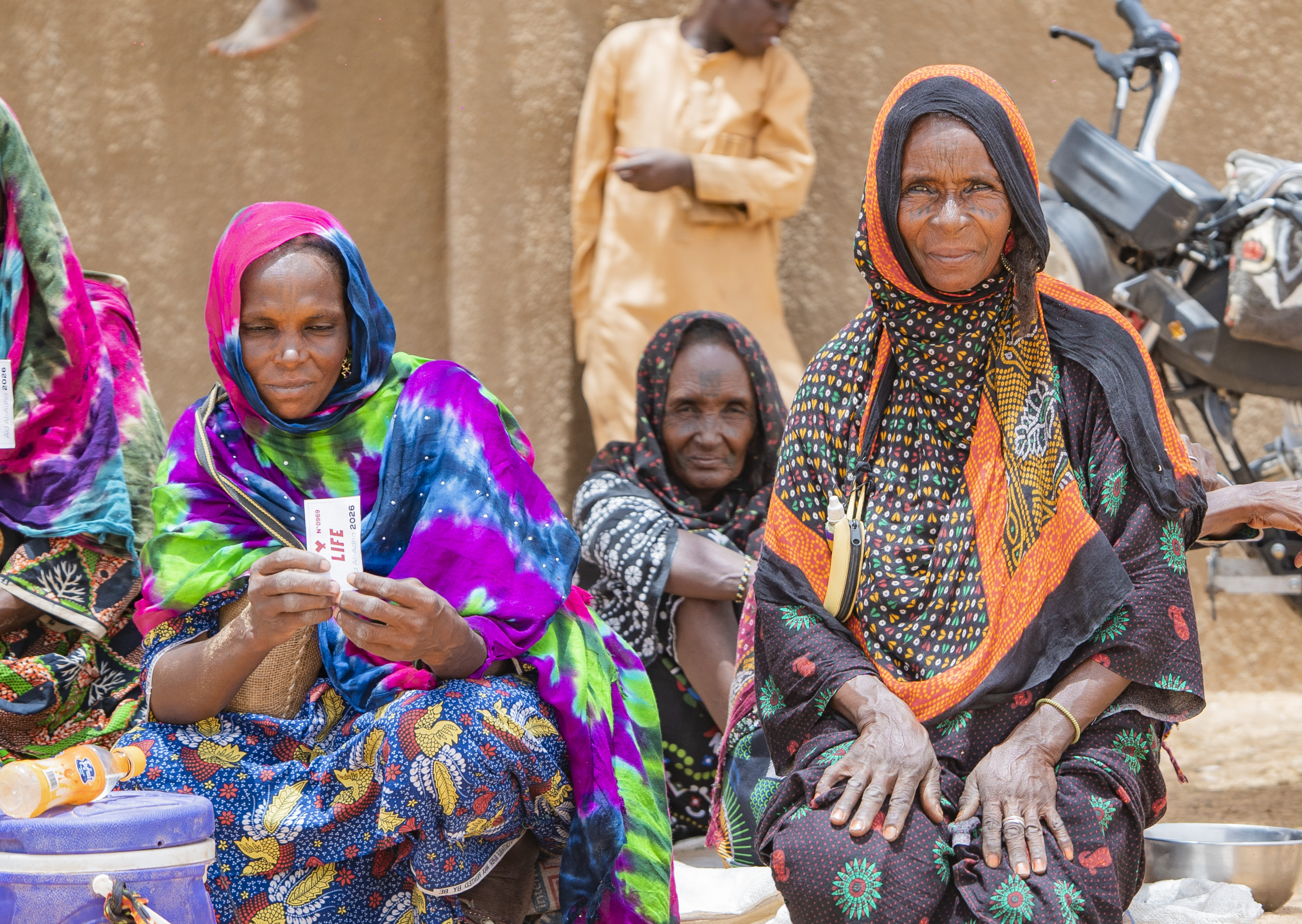
Image : photo of displaced families in an arid Sahel region, with makeshift shelters - alt: "Climate displaced families Sahel drought desertification humanitarian aid"
</aside>
How Life ONG Helps Populations Affected by Climate Crises
Life ONG operates in several of the areas most severely affected by combined climate and humanitarian crises, particularly in the Sahel, the Horn of Africa, and South Asia. Its programs are adapted to the specificities of each crisis:
- Emergency food aid for families whose crops have been destroyed by drought or flood
- Access to drinking water in areas affected by desertification or groundwater contamination
- Shelter Reconstruction after cyclones or floods
- Livelihood Support to prevent temporary displacement from becoming permanent
A unique aspect of climate crises is that they often occur in areas where Life is already present through its programs. This pre-existing presence allows for immediate action, bypassing the logistical delays of initial setup. To learn more about how Life manages humanitarian emergencies, our article Humanitarian Emergency: How NGOs Operate in the Field explains the intervention mechanisms step-by-step. And to understand the distinction between refugees and internally displaced persons, our article Internally Displaced Persons vs. Refugees: Understanding the Difference and Taking Action provides the essential groundwork.
<aside>📌
Image : photo of a Life NGO drinking water distribution in a drought-affected area - alt : "Drinking water distribution Life NGO drought zone climate refugees"
</aside>
How to help climate refugees from France?
Financial Donations: The Most Effective Form of Aid
As with all international humanitarian crises, financial donations to an NGO operating on the ground remain the most effective form of aid. It allows for local procurement of what populations need, without the logistical constraints of shipping materials from France. A donation to Life NGO for its programs in climate-vulnerable areas qualifies for a 75% tax reduction (Coluche scheme). A €100 donation effectively costs you only €25. Our complete guide on tax-deductible donations explains everything.
Advocacy and Awareness-Raising
Climate refugees do not have international legal status. Supporting organizations that advocate for their recognition, sharing reliable information about their situation, and backing ambitious climate adaptation policies are among the levers available from France.
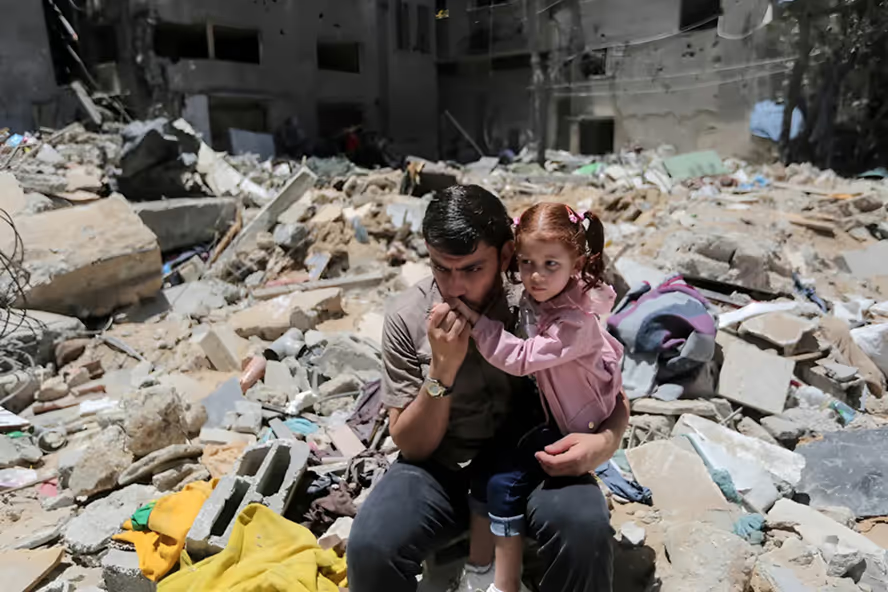
Bring vital aid to families in Gaza. Every donation saves lives.
I give