
Children in Armed Conflict: figures and actions to protect them

- En 2024, les Nations Unies ont vérifié 41 370 violations graves contre des enfants dans les conflits armés, soit une hausse de 25 % par rapport à 2023 et un "nouveau record accablant" selon le Conseil de sécurité de l'ONU (juin 2025).
- Selon l'UNICEF (janvier 2025), plus de 473 millions d'enfants vivent dans des zones de conflit dans le monde, soit plus d'un enfant sur six.
- Les six violations graves reconnues par l'ONU sont : meurtres et mutilations, recrutement forcé, violences sexuelles, enlèvements, attaques contre écoles et hôpitaux, refus d'accès à l'aide humanitaire.
- Life ONG intervient dans plusieurs zones de conflit pour protéger les enfants : aide alimentaire, accès à l'eau, soutien psychosocial, espaces d'apprentissage.
- Le pôle relation donateur de Life est disponible pour toutes vos questions sur les programmes enfance en cours.
Children do not choose the wars they are born into or grow up in. Yet, they are often the most vulnerable victims. Injured, displaced, forcibly recruited, deprived of schooling and care: armed conflicts steal childhood from millions of them every year. This guide explains the scale of the problem, the violations children suffer in war zones, and how you can take concrete action from France.
What is the scale of the problem?
The figures are staggering. According to the report presented to the UN Security Council in June 2025, the United Nations verified 41,370 grave violations committed against children in 2024, a 25% increase compared to 2023 and a "new overwhelming record" since the monitoring mechanism was established in 2005. These figures represent only a fraction of the violations actually committed: access constraints, fear, and shame prevent a large number of cases from being reported and documented. According to UNICEF (January 2025), over 473 million children lived in conflict zones, representing more than one in six children worldwide. Among the direct consequences, over 52 million children in conflict-affected countries are estimated to be out of school.
lors du débat public du Conseil de sécurité du 25 juin 2025, la Directrice de la protection de l'enfance de l'UNICEF a déclaré que "le monde ne parvient pas à protéger les enfants contre les horreurs de la guerre". En RDC, dans les deux premiers mois de 2025 seuls, près de 10 000 cas de viols et de violences sexuelles avaient été signalés par des partenaires de protection, dont plus de 40 % impliquaient des enfants.
The 6 grave violations recognized by the UN
The UN monitoring and reporting mechanism on children and armed conflict identifies six categories of grave violations. Each is documented and verified in the Secretary-General's annual report.
1. Killing and maiming
This is the most documented violation. It results from direct attacks against civilians, as well as from mines, improvised explosive devices, cluster munitions, or crossfire. According to UNICEF, explosive weapons in populated areas are the leading cause of child deaths in conflicts.
2. Recruitment and use of children
Armed groups and sometimes government forces enlist children as soldiers, porters, spies, or for other roles. Girls are particularly vulnerable and less likely to be formally identified as child soldiers. In 2024, over 16,000 children left armed forces or groups and received reintegration support, according to the UN.
3. Sexual violence
Conflict-related sexual violence disproportionately affects girls, but also boys. These acts are often underreported due to shame and fear of retaliation. In Haiti, reports of sexual violence against children increased by 1,000% in 2024, according to UNICEF.
4. Abduction
Children are abducted to be forcibly recruited, subjected to forced marriage, or used as bargaining chips. Abductions often involve other violations, particularly sexual violence.
5. Attacks on schools and hospitals
Schools and hospitals are spaces protected by international humanitarian law. Yet, thousands of attacks are documented every year. In Mali alone, 2,300 schools were closed due to insecurity, according to OCHA.
6. Denial of humanitarian access
Parties to conflict deliberately block the delivery of humanitarian aid to civilian populations, depriving children of food, water, medical care, and protection.
depuis 2005, l'ONU surveille et documente ces six violations graves dans toutes les situations de conflit. Cette surveillance a permis la libération de plus de 200 000 enfants en 25 ans et la prévention d'un nombre incalculable de violations supplémentaires, grâce à des négociations directes avec les parties belligérantes.
<aside>📌
Image : photo of a child in a temporary learning space supported by an NGO in a conflict zone - alt : "Children armed conflicts protection humanitarian aid learning space Life NGO"
</aside>
The long-term effects on children
Serious violations are only the visible part of the impact conflicts have on children. The long-term effects are just as devastating.
Education
More than 52 million children in conflict-affected countries are reportedly out of school, according to UNICEF. The destruction of schools, insecurity around educational facilities, and family displacement deprive entire generations of access to education. Children in Gaza and Sudan have missed more than a full school year.
Mental health
War traumas leave deep scars. According to UNICEF, 96% of children in Gaza feel that death is imminent. Very high rates of depression, anxiety, and post-traumatic stress disorder are documented in all prolonged conflict zones.
Malnutrition
War is the primary cause of hunger among children in many areas. Conflicts destroy harvests, block food markets, and prevent the delivery of nutritional aid. Children are the first to suffer.
<aside>📌
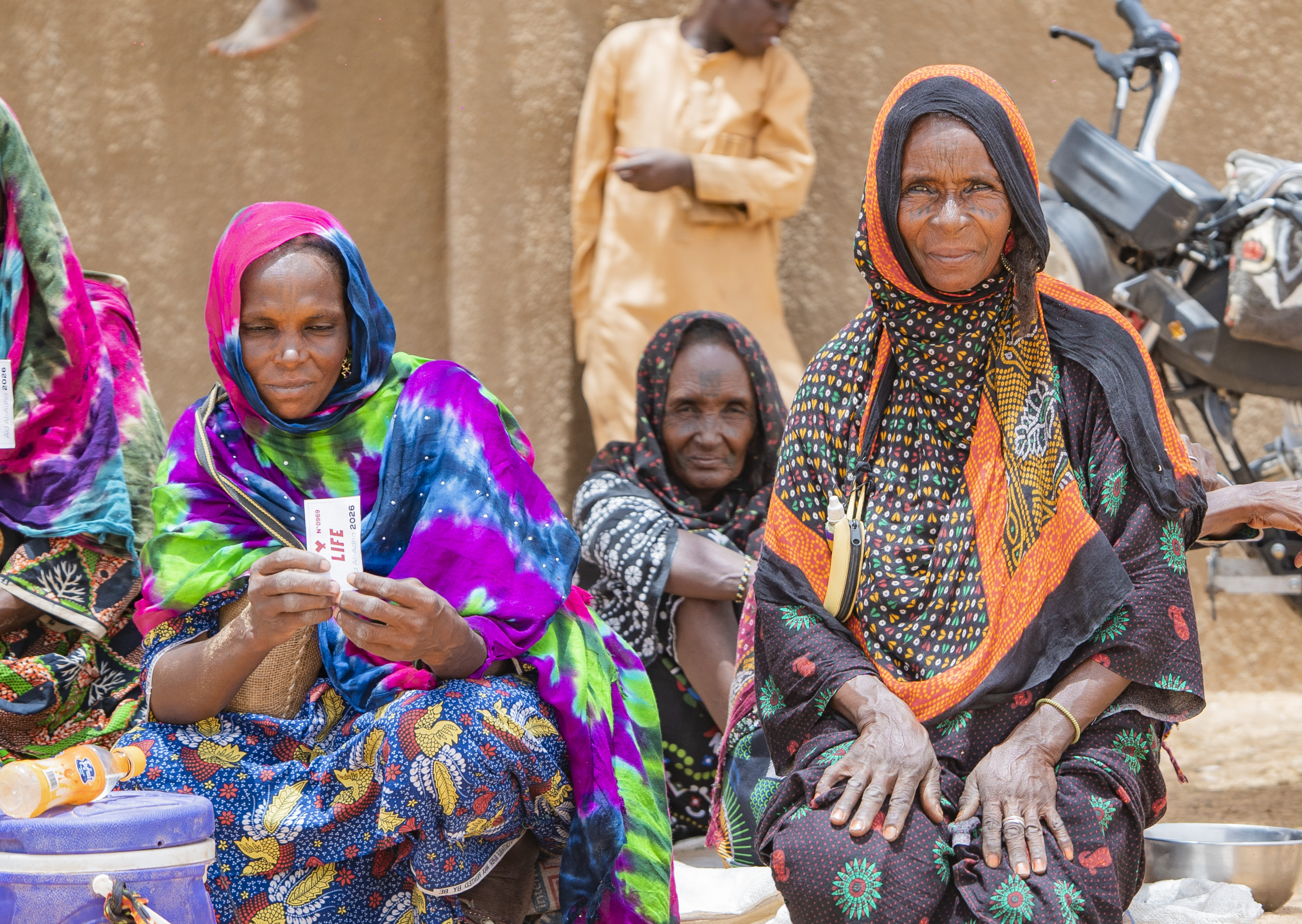
Image : photo of a Life NGO food aid distribution targeting children in a conflict zone - alt : "Distribution food aid children conflict zone Life NGO protection"
</aside>
How Life NGO protects children in conflicts
Life NGO operates in several conflict zones with programs that integrate child protection as a cross-cutting priority:
- Targeted food aid : children suffering from acute malnutrition are prioritized during distributions
- Access to drinking water : essential for preventing diseases that disproportionately affect children
- Temporary Learning Spaces : in areas where schools are destroyed or closed, Life supports the establishment of safe spaces for children
- Psychosocial Support : support sessions are offered to children who are victims of war trauma
If you have any questions about Life's child protection programs, our donor relations team is available to answer them directly. To understand the legal framework that should protect these children, our article International Humanitarian Law: the rules that protect civilians in war zones explains the Geneva Conventions and their limitations. And to learn more about the situation of displaced children and the distinction between refugees and internally displaced persons, our article Internally Displaced Persons vs. Refugees: understanding the difference and taking action provides additional insight. The crisis in the DRC is one of the contexts where these violations are most systematic: our article DRC: the forgotten crisis affecting millions of displaced people explains its causes.
Reçu fiscal 75 %. Chaque euro tracé. Life intervient dans les zones de conflit pour protéger les plus vulnérables. Pôle relation donateur disponible.
Faire mon don →Combien d'enfants sont touchés par des conflits armés dans le monde ?
Selon l'UNICEF (janvier 2025), plus de 473 millions d'enfants vivent dans des zones de conflit, soit plus d'un enfant sur six dans le monde. En 2024, les Nations Unies ont vérifié 41 370 violations graves contre des enfants, soit une hausse de 25 % par rapport à 2023, selon le rapport présenté au Conseil de sécurité de l'ONU en juin 2025.
Qu'est-ce qu'une "violation grave" contre un enfant en temps de guerre ?
L'ONU reconnaît six catégories de violations graves : les meurtres et mutilations, le recrutement et l'utilisation d'enfants dans les forces armées, les violences sexuelles, les enlèvements, les attaques contre les écoles et les hôpitaux, et le refus d'accès à l'aide humanitaire. Ces violations sont documentées et vérifiées dans le rapport annuel du Secrétaire général de l'ONU.
Est-ce que le recrutement d'enfants soldats est encore courant ?
Oui. Le recrutement d'enfants par des forces et groupes armés reste une violation courante dans de nombreux conflits : en RDC, au Soudan, au Mali, en Syrie, en Haïti. En 2024, plus de 16 000 enfants ont quitté des forces ou groupes armés et reçu un soutien à la réintégration selon l'ONU. C'est à la fois un chiffre alarmant et un signe que les programmes de libération fonctionnent.
Comment Life ONG aide-t-elle les enfants dans les zones de conflit ?
Life ONG intègre la protection des enfants comme priorité dans ses programmes d'urgence : aide alimentaire ciblée sur les enfants malnutris, accès à l'eau potable, espaces d'apprentissage temporaires et soutien psychosocial. Le pôle relation donateur peut vous donner des informations précises sur les programmes en cours dans chaque zone d'intervention.
Mon don à Life ONG profite-t-il directement aux enfants ?
Oui. Les programmes de Life dans les zones de conflit ciblent en priorité les populations les plus vulnérables, dont les enfants constituent une part très importante. Les comptes annuels de Life sont publiés et certifiés par un commissaire aux comptes indépendant. Le pôle relation donateur peut vous informer sur l'affectation précise de votre don.
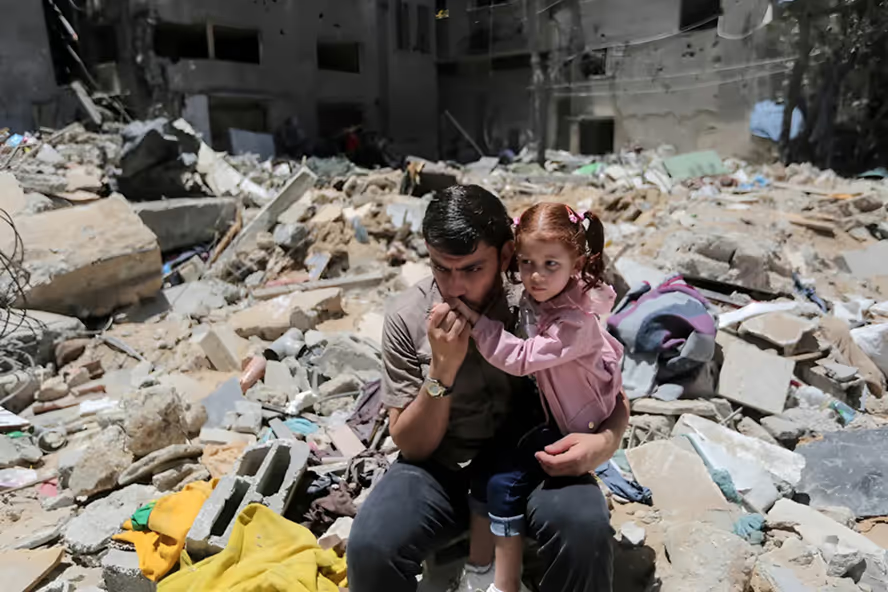
Bring vital aid to families in Gaza. Every donation saves lives.
I give