
Mali: Security and Humanitarian Crisis, How to Help the Population
- Le Mali traverse une crise humanitaire complexe, qualifiée de "négligée" par l'OCHA. Selon le Plan de Réponse Humanitaire 2026 présenté à Bamako le 5 février 2026, 5,1 millions de personnes ont besoin d'aide humanitaire.
- Fin 2025, près de 415 000 personnes étaient déplacées à l'intérieur du pays, dont 58 % d'enfants (source : OCHA Mali / DNDS Mali, 2026).
- L'accès humanitaire se détériore : 814 incidents enregistrés en 2025, en hausse de 40 % par rapport à 2024. En 2025, seuls 21 % des besoins ont été financés, le taux le plus bas en 10 ans.
- Life ONG intervient au Mali avec des programmes d'aide alimentaire, d'accès à l'eau et de soutien aux populations déplacées.
- Le pôle relation donateur de Life est disponible pour répondre à toutes vos questions sur les opérations en cours.
Mali rarely makes headlines. Yet, for over a decade, the country has been grappling with a profound humanitarian crisis, fueled by armed conflicts, insecurity, climate change, and chronic underfunding of the humanitarian response. This guide explains what's happening in Mali, why it's so difficult to provide aid there, and how you can take concrete action from France.
What is the humanitarian situation in Mali in 2026?
Mali is facing what OCHA describes as a "neglected crisis, with interconnected human consequences that go beyond the numbers." According to the 2026 Humanitarian Response Plan presented in Bamako on February 5, 2026, 5.1 million people are in need of humanitarian assistance in a country with a population of less than 25 million. The crisis is multifactorial: it combines persistent armed violence in the north and center of the country, climate shocks (droughts, floods), recurrent epidemics, and a fragile economic situation.
Key figures
Sources: OCHA Mali, 2026 Humanitarian Response Plan (February 5, 2026) and DNDS Mali
| Indicateur | Chiffre |
|---|---|
| Personnes ayant besoin d'aide humanitaire | 5,1 millions |
| Personnes ciblées par le plan de réponse 2026 | 3,8 millions |
| Budget de l'appel humanitaire 2026 | 577,9 millions de dollars |
| Déplacés internes fin 2025 | Environ 415 000 (dont 58 % d'enfants) |
| Réfugiés accueillis au Mali | Environ 250 000 |
| Écoles fermées à cause de l'insécurité | Au moins 2 300 |
| Taux de financement humanitaire en 2025 | 21 % (plus bas niveau en 10 ans) |
en 2025, pour chaque euro nécessaire pour aider les populations maliennes, moins d'un quart a été fourni par les donateurs internationaux. Conséquence directe : les partenaires humanitaires ont dû recentrer leurs interventions sur seulement 97 des 159 cercles (subdivisions administratives) du pays. Des millions de personnes vulnérables n'ont reçu aucune assistance.
Why is the crisis in Mali so difficult to resolve?
The crisis in Mali is the result of an accumulation of mutually reinforcing factors over the past decade.
A deteriorating security context
Since 2012, jihadist armed groups and rebel factions have controlled parts of Malian territory, primarily in the north and center of the country. Military operations by the Malian armed forces (FAMa) and their allies have failed to bring lasting stability to these areas. Since 2021, Mali has been governed by a military junta, following two successive coups d'état. According to Human Rights Watch's 2026 World Report, General Assimi Goïta was elevated to the position of president until 2030 without an election, formalizing a lasting military regime.
Deteriorating humanitarian access
Access for humanitarian workers to populations in need is becoming increasingly difficult. According to OCHA, 814 humanitarian access incidents were recorded in 2025, a 40% increase compared to 2024. The January 2026 humanitarian access dashboard confirms a "profound transformation of the access crisis in Mali."
Climate shocks amplifying needs
Mali is one of the countries most exposed to the effects of climate change in the Sahel. Droughts, desertification, seasonal floods: these phenomena destroy harvests and livelihoods, particularly in areas where insecurity already prevents a normal life.
"La crise humanitaire au Mali demeure une crise négligée. Au moment où nous lançons cet appel, il est important de se souvenir que l'accès à l'eau, à la nourriture, aux soins de santé et à l'éducation sont devenus 'biens de luxe' pour trop de personnes."
<aside>📌
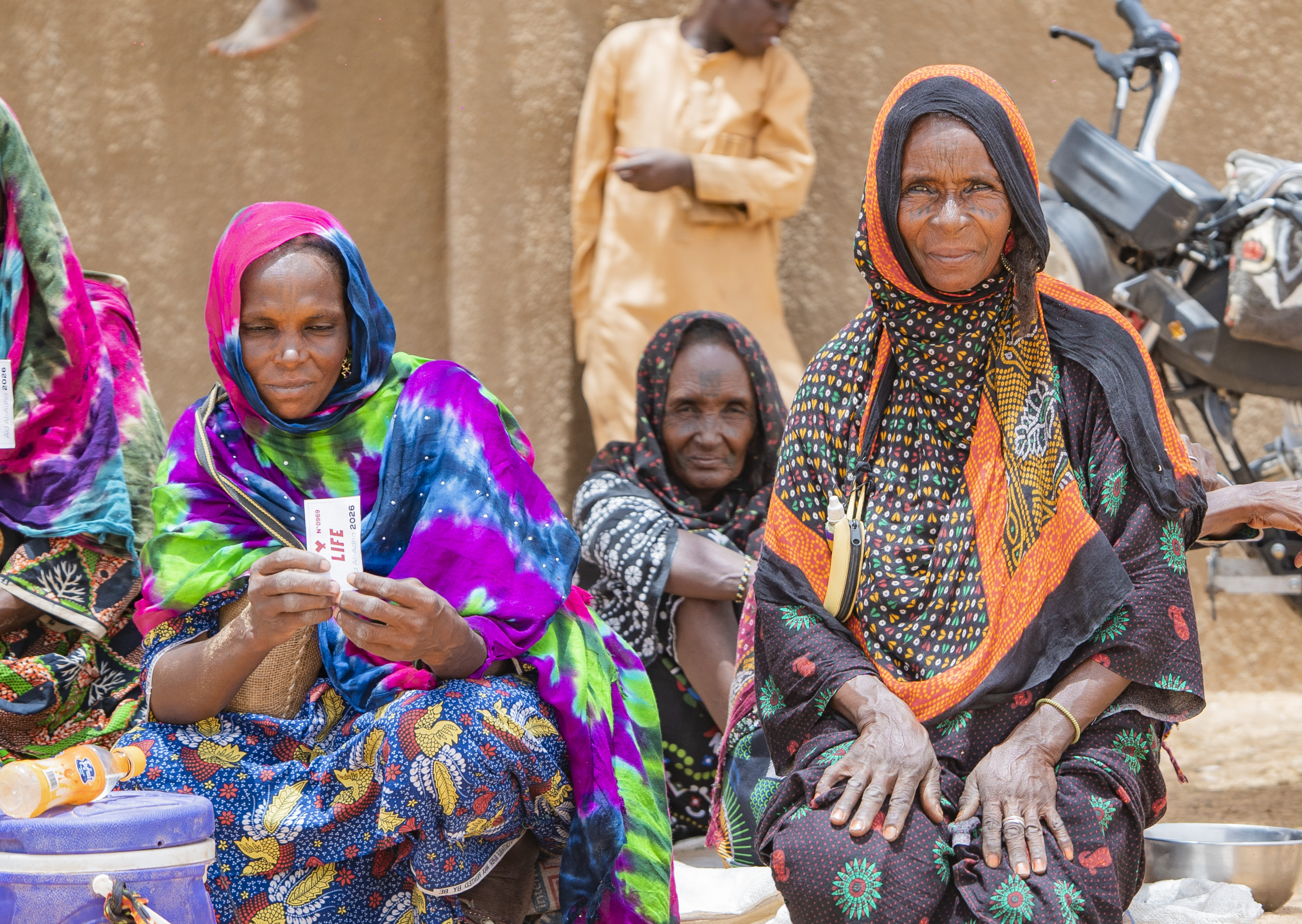
Image : photo of displaced families in Mali, women and children in a camp or temporary shelter in the Sahel - alt: "Displaced families Mali Sahel humanitarian crisis aid Life ONG"
</aside>
How Life ONG intervenes in Mali
Life ONG operates in Mali within a particularly challenging operational context. Its programs adapt to accessible areas and the most urgent needs identified with its local partners:
- Emergency food aid : distributions of packages and cash for displaced families and host communities
- Access to drinking water : support for water points in areas affected by drought and displacement
- Emergency kits : hygiene, shelter, blankets for families without stable housing
- Education support : contribution to temporary learning spaces for displaced children, in a context where 2,300 schools are closed
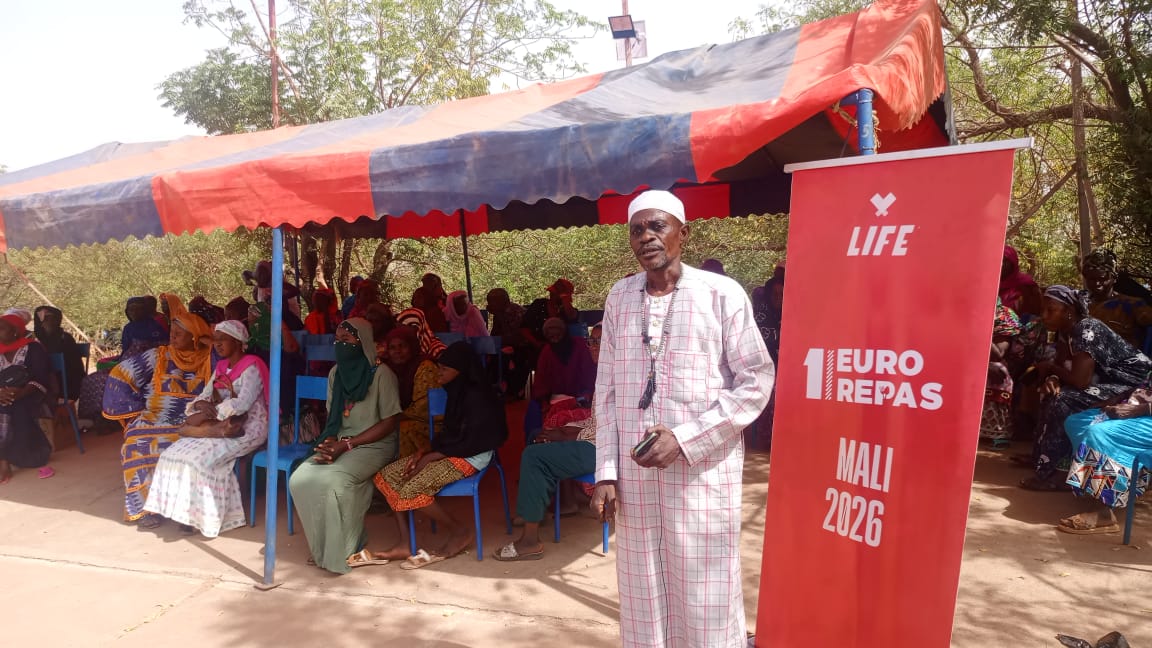
Life works with local partners who understand the dynamics on the ground and can access areas inaccessible to international actors. To follow Life's operations in Mali, visit life-ong.org/lp/fond-urgence. The donor relations department is available to provide you with precise information on ongoing programs.
<aside>📌
Image : photo of a distribution of drinking water or food aid by Life NGO in the Sahel or Mali - alt: "Food aid drinking water distribution Life NGO Mali Sahel emergency"
</aside>
Why donating to Mali is particularly urgent
The Malian crisis is structurally underfunded. With only 21% of needs covered in 2025, Mali is one of the countries most neglected by international donors. This disengagement has direct consequences: NGOs have had to refocus their intervention areas, leaving millions of people without any support. Every donation to Life for Mali fills a gap that institutional funding no longer covers. To understand how NGOs manage humanitarian emergencies in difficult access contexts, our article Humanitarian Emergency: How NGOs Intervene on the Ground explains everything. And to learn more about a Sahel crisis that shares many characteristics with Mali's, consult our article Crisis in Sudan: Understanding the Situation and Where to Donate. The situation of climate refugees, another prevalent category in the Sahel, is detailed in our article Climate Refugees: Who Are They and How to Help Them?
Reçu fiscal 75 %. Chaque euro tracé. Partenaires locaux actifs sur le terrain.
Faire mon don →Pourquoi parle-t-on si peu de la crise au Mali ?
La crise au Mali est qualifiée de "négligée" par l'OCHA elle-même. L'accès des journalistes y est très difficile, les violences sont diffuses plutôt que concentrées sur un seul événement médiatique, et la concurrence avec d'autres crises plus visibles (Gaza, Ukraine) réduit l'attention internationale. Cette invisibilité alimente directement le sous-financement.
Qui contrôle le Mali aujourd'hui ?
Depuis 2021, le Mali est dirigé par une junte militaire après deux coups d'État. Selon le Rapport mondial 2026 de Human Rights Watch, le général Assimi Goïta a été formellement installé comme président jusqu'en 2030 sans élection. Le pays est sorti des institutions de la CEDEAO et a renforcé ses liens avec la Russie via le groupe Africa Corps (successeur du groupe Wagner).
Est-ce que l'aide humanitaire arrive vraiment au Mali ?
L'accès est difficile mais pas impossible. Des ONG avec des réseaux locaux établis parviennent à intervenir dans de nombreuses zones, même si 15 localités restent difficilement accessibles selon l'OCHA. Life ONG s'appuie sur des partenaires locaux qui connaissent les dynamiques du terrain. Le pôle relation donateur peut vous informer sur les zones d'intervention actuelles.
Quelles populations sont les plus touchées au Mali ?
Les personnes déplacées internes (environ 415 000), les réfugiés des pays voisins (environ 250 000), et les communautés d'accueil qui partagent des ressources déjà insuffisantes. Parmi les déplacés, 58 % sont des enfants et 30 % des femmes et des filles, selon les données de la Direction nationale du développement social du Mali relayées par l'OCHA.
Comment mon don à Life ONG pour le Mali est-il utilisé ?
Life affecte les dons reçus pour le Mali à ses programmes terrain : aide alimentaire, eau potable, kits de première nécessité, soutien à l'éducation. Les comptes annuels de Life sont publiés et certifiés par un commissaire aux comptes indépendant. Le pôle relation donateur peut vous donner des informations précises sur l'affectation de votre don.
Bring vital aid to families in Gaza. Every donation saves lives.
I give