
Child malnutrition: causes, consequences and how to act
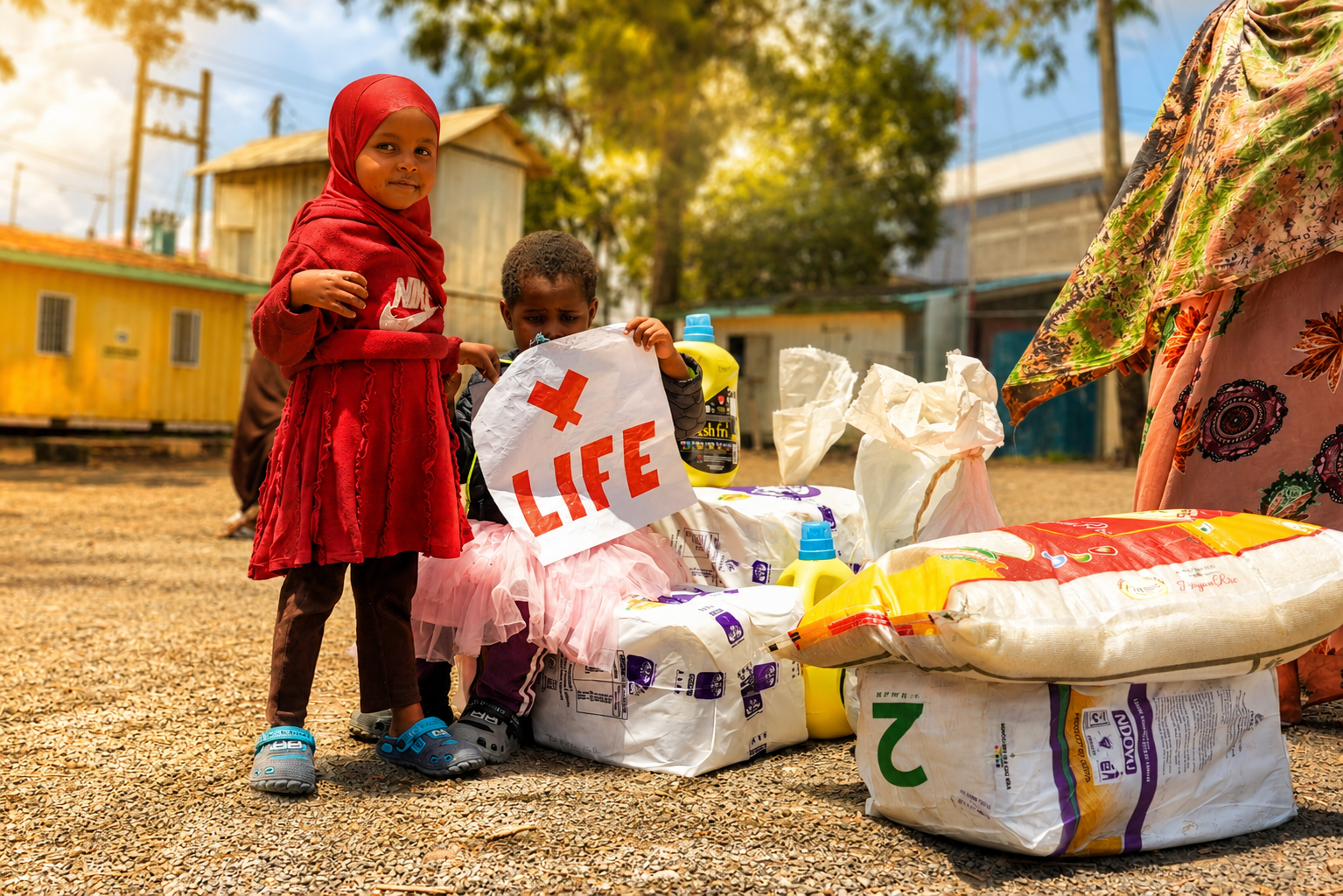
- 149 million children under 5 suffer from stunting and 45 million from wasting worldwide, according to UNICEF.
- Malnutrition is linked to almost half of all deaths of children under 5, or roughly 3 million lives every year.
- It covers three cumulative forms: undernutrition (stunting, wasting), hidden hunger (micronutrient deficiencies) and overweight.
- The main causes are food insecurity, unsafe water, armed conflict, poverty and the absence of health services.
- UNICEF aims to screen and treat 33 million malnourished children by the end of 2026 using ready-to-use therapeutic foods.
According to UNICEF, one child in four under the age of 5 suffers from some form of malnutrition worldwide in 2026. The most serious consequence can be quantified: malnutrition is linked to almost half of all deaths of children under 5, or roughly 3 million lives every year. Above all, it is a lasting brake on the cognitive, educational and physical development of entire generations of children in the most fragile countries.
This guide explains exactly what child malnutrition is, its different forms, its root causes, its short- and long-term consequences, and the concrete levers available to prevent and treat it.
What is child malnutrition?
The World Health Organization (WHO) defines malnutrition as a condition resulting from an unbalanced diet, whether in quantity or in quality. That imbalance can be a deficit (deficiencies) or an excess (surplus). UNICEF now speaks of a triple burden of child malnutrition.
The three strands that make up this triple burden, in 2026 figures:
- 149 million children under 5 suffer from stunting (chronic undernutrition).
- 45 million children suffer from wasting (acute malnutrition).
- 340 million children suffer from micronutrient deficiencies (hidden hunger: iron, iodine, vitamin A, zinc).
- 37 million children are overweight or obese, a rapidly growing phenomenon including in developing countries.
These categories are not mutually exclusive. A single child can experience stunting, hidden hunger and overweight at once, which makes the clinical and social picture particularly complex.
What are the forms of child malnutrition?
It is useful to distinguish the four main forms, because their treatments differ radically.
Wasting (acute malnutrition)
This is the most visible and most deadly form. A wasted child is too thin for their height, their immune system has collapsed, and their risk of dying in the following weeks is twelve times higher than that of a well-nourished child. Severe wasting requires emergency treatment.
Stunting (chronic malnutrition)
A stunted child is too short for their age. This is not a genetic problem: it is the result of prolonged undernutrition during the first 1,000 days of life (from conception to age 2). The consequences for the brain and for educational potential are largely irreversible after that age.
Hidden hunger (micronutrient deficiencies)
A child can receive enough calories while still lacking iron, iodine, vitamin A or zinc. These deficiencies cause anaemia, delayed cognitive development, night blindness and a weakened immune system. They affect almost half of the world's children, according to UNICEF.
Overweight and obesity
Too often overlooked in discussions about malnutrition, this form is advancing fast. 37 million children under 5 are overweight, including in countries where undernutrition remains widespread. The phenomenon is known as the “nutrition transition”: ultra-processed food reaches countries in the Global South before undernutrition has receded.
A child can be well fed in calories and severely malnourished in micronutrients. An overweight child can be malnourished. Nutritional quality matters as much as quantity.
How is a malnourished child identified? Mid-upper arm circumference
In the field, the screening tool most widely used by humanitarian teams is the MUAC band (Mid-Upper Arm Circumference), which measures the circumference of a child's upper arm. It is a simple, lightweight tool that can be used by non-medical staff and by mothers themselves after brief training.
The MUAC band uses a colour code to assess a child's condition:
| Colour | Arm circumference | Interpretation |
|---|---|---|
| Green | > 125 mm | Normal nutritional status |
| Yellow | 115 – 125 mm | Moderate malnutrition, monitoring required |
| Red | < 115 mm | Severe acute malnutrition, emergency treatment |
This simple band makes it possible to screen tens of thousands of children quickly in a refugee camp or an isolated village, and to direct them towards the appropriate treatment protocols.
What are the causes of child malnutrition?
UNICEF identifies a cascade of interlocking causes, from the household to the global economic system.
Household food insecurity
This is the primary cause, though not a sufficient explanation on its own. Without income, land or access to markets, a household cannot provide its children with a diverse diet. 181 million children under 5 live in food poverty worldwide, according to UNICEF. Our detailed article on the causes of food insecurity examines the wider mechanisms that structure this poverty.
Access to safe water and sanitation (WASH)
This factor is often underestimated. A child who drinks contaminated water suffers repeated bouts of diarrhoea that prevent nutrients from being absorbed. Malnutrition and access to water are two inseparable problems. Our dedicated analysis of childhood illnesses linked to unsafe water sets out this vicious circle in detail.
Armed conflict
Conflict destroys agriculture, cuts food supply chains, displaces populations and closes health facilities. Children in war zones are three times more exposed to acute malnutrition than those living in stable areas. Gaza and Sudan, where famines were declared in 2025, illustrate this link brutally.
Climate crises
Droughts in the Sahel, floods in South Asia, cyclones in the Caribbean: extreme climate events destroy crops and deprive children of access to a stable food supply. The SOFI 2026 report estimates that 56% of people suffering from hunger will live in Africa by 2030, a continent that is particularly exposed.
Poverty and gender inequality
A poorly nourished mother gives birth to a poorly nourished child. The FAO estimates that if the gap in access to agricultural resources between men and women disappeared, hunger would fall by 12 to 17%. Girls' education and the economic empowerment of mothers are two well-documented structural levers.
The absence of health services
A malnourished child who contracts a mild infection (measles, pneumonia, malaria) can die from it for lack of care. Strengthening primary health systems is complementary to any nutrition policy.
What are the consequences for the child, in the short and long term?
In the short term: mortality and vulnerability to infection
A wasted child has a collapsed immune system. A simple bout of diarrhoea can kill them within days. This mechanism explains why malnutrition is linked to almost 45% of deaths of children under 5 worldwide, or roughly 3 million lives every year.
In the long term: cognitive and educational delay
The first 1,000 days of life are critical for brain development. A child who experienced chronic undernutrition during this period will carry permanent cognitive after-effects: reduced learning capacity, more frequent school drop-out, lower adult earnings. These are measurable economic consequences at national level.
An intergenerational cycle
A mother who is malnourished during pregnancy is more likely to give birth to an underweight child, who will in turn have more fragile children. Breaking this cycle requires coordinated action on maternal nutrition, access to healthcare and girls' education.
World Bank studies estimate that chronic malnutrition costs the worst-affected countries between 2% and 11% of GDP every year. Investing in child nutrition also means investing in the future growth of these economies.
Focus: in which countries is child malnutrition most severe?
UNICEF has identified a group of ten countries that account for a disproportionate share of severe acute child malnutrition: Afghanistan, the Democratic Republic of the Congo, Haiti, Nigeria, Somalia, Sudan, South Sudan, Syria, Chad and Yemen.
Three regions concentrate the most severe situations in 2026:
The Sahel (Burkina Faso, Mali, Niger, Chad) combines droughts, conflicts linked to terrorism and the collapse of basic services. It is the area where acute child malnutrition is rising fastest, according to UNICEF.
Sudan and South Sudan have been living through one of the world's worst humanitarian crises since 2023. Famine was officially declared there in 2025, with child malnutrition rates soaring.
Gaza also saw an official famine declaration in 2025. Children in Gaza show exceptionally high wasting rates according to IPC assessments.
How is severe acute malnutrition treated?
The standard treatment, developed in the 1990s and rolled out ever since, relies on Ready-to-Use Therapeutic Foods (RUTF), the best known of which is Plumpy'Nut, developed by the French laboratory Nutriset.
What it is. A paste made from peanuts, powdered milk, sugar, oil, vitamins and minerals, packaged in individual sachets and ready to eat with no preparation.
Why it works. A child with severe acute malnutrition can be treated at home or as an outpatient, instead of through costly and logistically difficult hospitalisation. The recovery rate exceeds 90% when treatment starts early.
The targets. UNICEF aims to screen and treat 33 million children for malnutrition by the end of 2026. This target depends directly on available humanitarian funding, which is currently falling according to the GRFC 2026 report.
How can child malnutrition be prevented?
Prevention rests on three pillars documented by the WHO and UNICEF.
Exclusive breastfeeding up to 6 months. The WHO recommends it as the first line of prevention. Breast milk provides all necessary nutrients, protects against infection and remains available in almost every context, including crises.
Balanced dietary diversification from 6 months. The gradual introduction of complementary foods rich in iron, protein and vitamins, while continuing breastfeeding where possible up to the age of 2.
Access to safe water, sanitation and vaccination. Without these three elements, no nutrition strategy can hold. This is what is known as the integrated “nutrition-health-water” approach, promoted by all the major agencies.
How can you take action from France?
Several specialised NGOs make it possible to act concretely against child malnutrition. For a broader overview of the levers available, our guide on how to fight hunger in the world places child nutrition within the full range of possible responses. Four leading organisations:
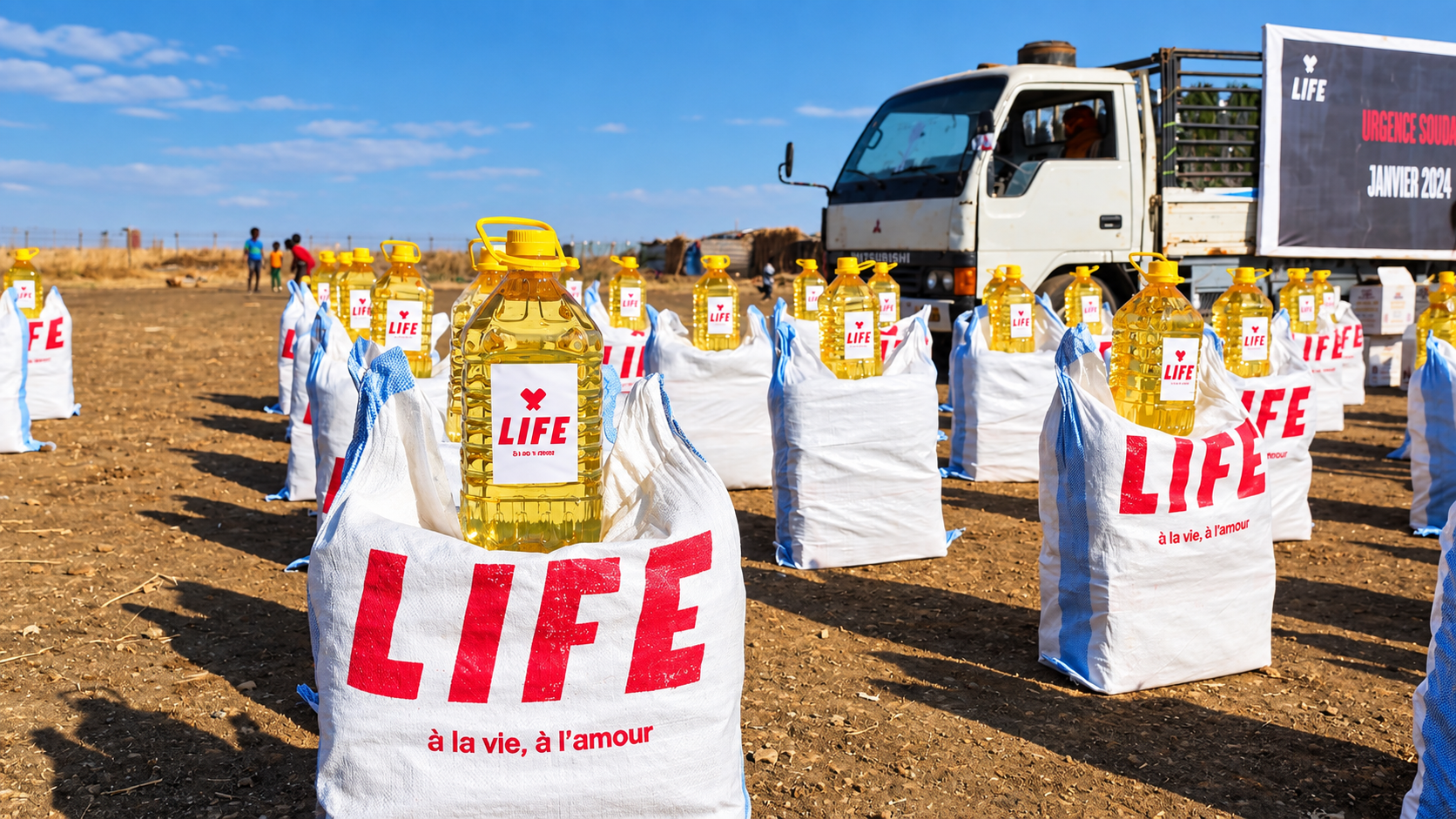
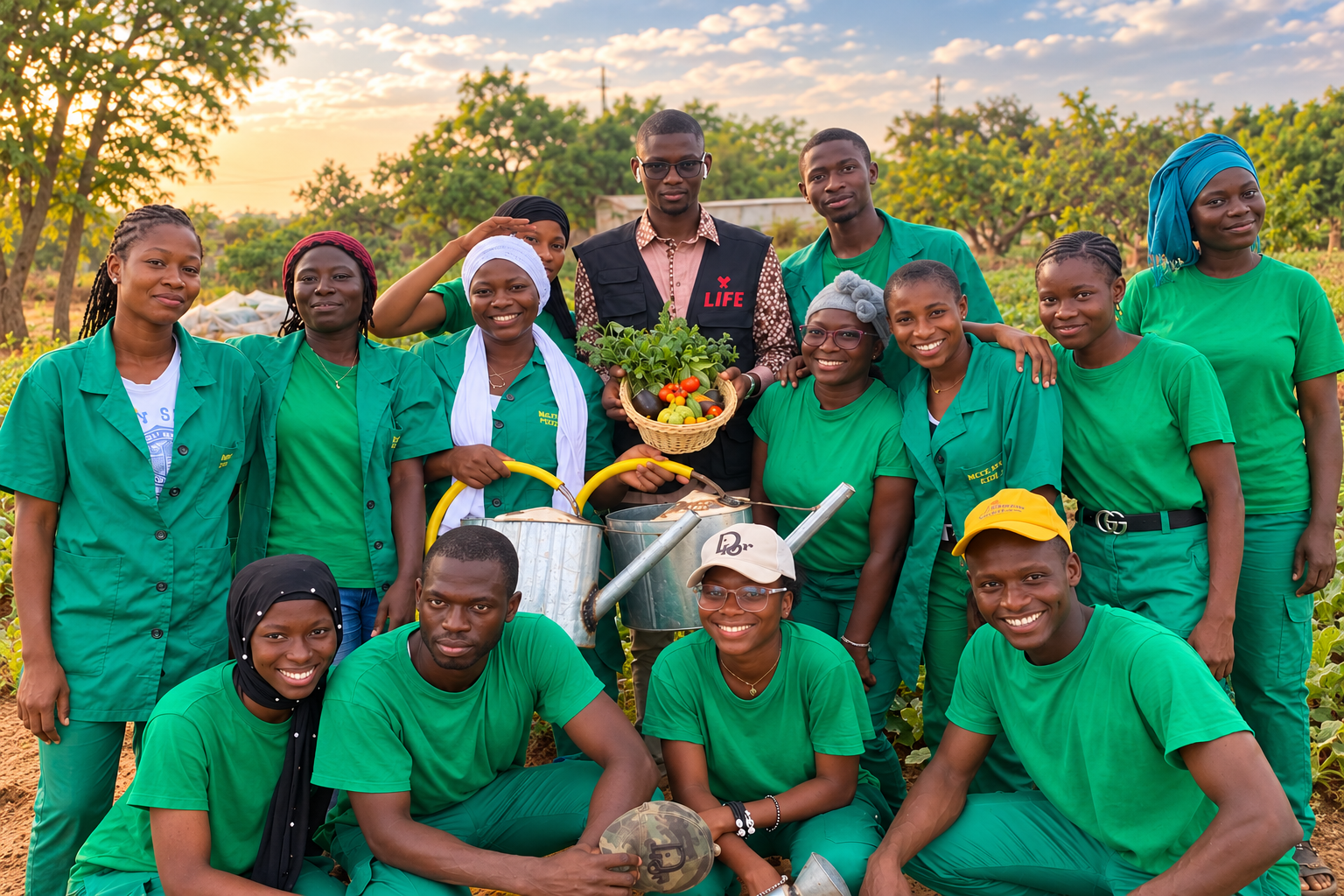
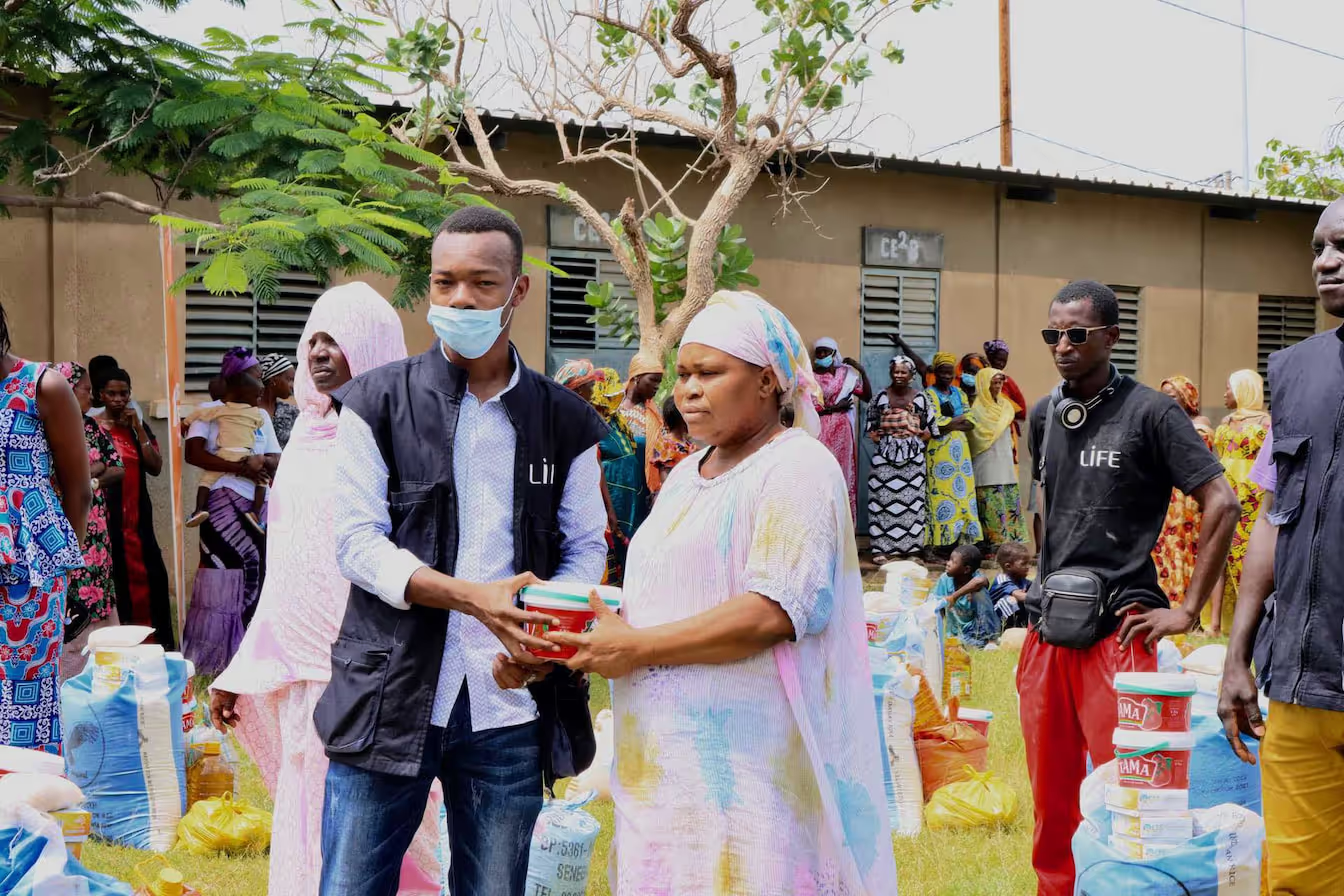
LIFE ONG, active in 25 countries including Gaza, Sudan and the Sahel, includes food distributions targeting children in its “1 euro = 1 meal” programme and in its food security programmes. Our dedicated article explains how NGOs deliver emergency food aid, and our key figures set out how donations are used.
UNICEF is the reference agency for child nutrition, active in more than 130 countries.
Action Contre la Faim specialises in therapeutic nutrition and operates in around forty countries.
Nutriset is a major French industrial player, the manufacturer of Plumpy'Nut, part of whose output is sold at cost price to humanitarian NGOs.
A donation to these organisations entitles French taxpayers to a 66% tax reduction, within the limit of 20% of taxable income. A monthly donation of €20 therefore costs €81.60 net over the year.
Every euro given to LIFE ONG funds a complete meal in one of our 25 countries of intervention, with priority given to children in crisis zones. Your monthly donation becomes a continuous flow of nutrition for the most vulnerable.
Support the 1 euro = 1 meal campaign →How many children suffer from malnutrition worldwide in 2026?
According to UNICEF, 149 million children under 5 suffer from stunting, 45 million from wasting and 340 million show micronutrient deficiencies. In total, roughly one child under 5 in four suffers from some form of malnutrition worldwide. These figures also include 37 million overweight children, what UNICEF calls the “triple burden” of child malnutrition.
What is the difference between wasting and stunting?
Wasting is acute malnutrition: the child is too thin for their height, their immune system has collapsed and they risk dying in the short term. Stunting is chronic malnutrition: the child is too short for their age, as a result of prolonged undernutrition during the first 1,000 days of life. Wasting is reversible with prompt treatment; stunting leaves cognitive after-effects that are largely irreversible.
How is malnutrition detected in the field?
The main tool is the MUAC band (mid-upper arm circumference), which uses a simple colour code. A circumference below 115 mm in a child aged 6 to 59 months indicates severe acute malnutrition requiring emergency treatment. The method can be used by non-medical staff and even by mothers after brief training, which allows rapid screening in refugee camps and isolated villages.
Can Plumpy'Nut cure a malnourished child?
Yes, in more than 90% of cases when treatment starts early. Plumpy'Nut is a ready-to-use therapeutic food (RUTF) made from peanut paste, milk, sugar, oil and micronutrients. It allows outpatient treatment, often at home, without hospitalisation. It has been the standard treatment for severe acute malnutrition since the 2000s, developed and mainly manufactured by the French laboratory Nutriset.
Why is safe drinking water linked to child malnutrition?
Because a child who drinks contaminated water suffers repeated bouts of diarrhoea, which prevent their body from absorbing nutrients. A child can therefore appear “well fed” yet remain malnourished because of the water they drink. This is why UN agencies advocate an integrated “nutrition-health-water-sanitation” approach for any policy to fight child malnutrition.
What can an individual do from France?
Regular giving to a specialised NGO is the most effective action at individual level. A monthly donation of €20 to LIFE ONG funds around 240 meals a year, with priority given to children in crisis zones. After the 66% tax reduction, that donation really costs only €81.60 over the year. Raising awareness among those around you and supporting dedicated NGOs such as UNICEF, Action Contre la Faim or LIFE ONG are two further levers open to everyone.
.png)