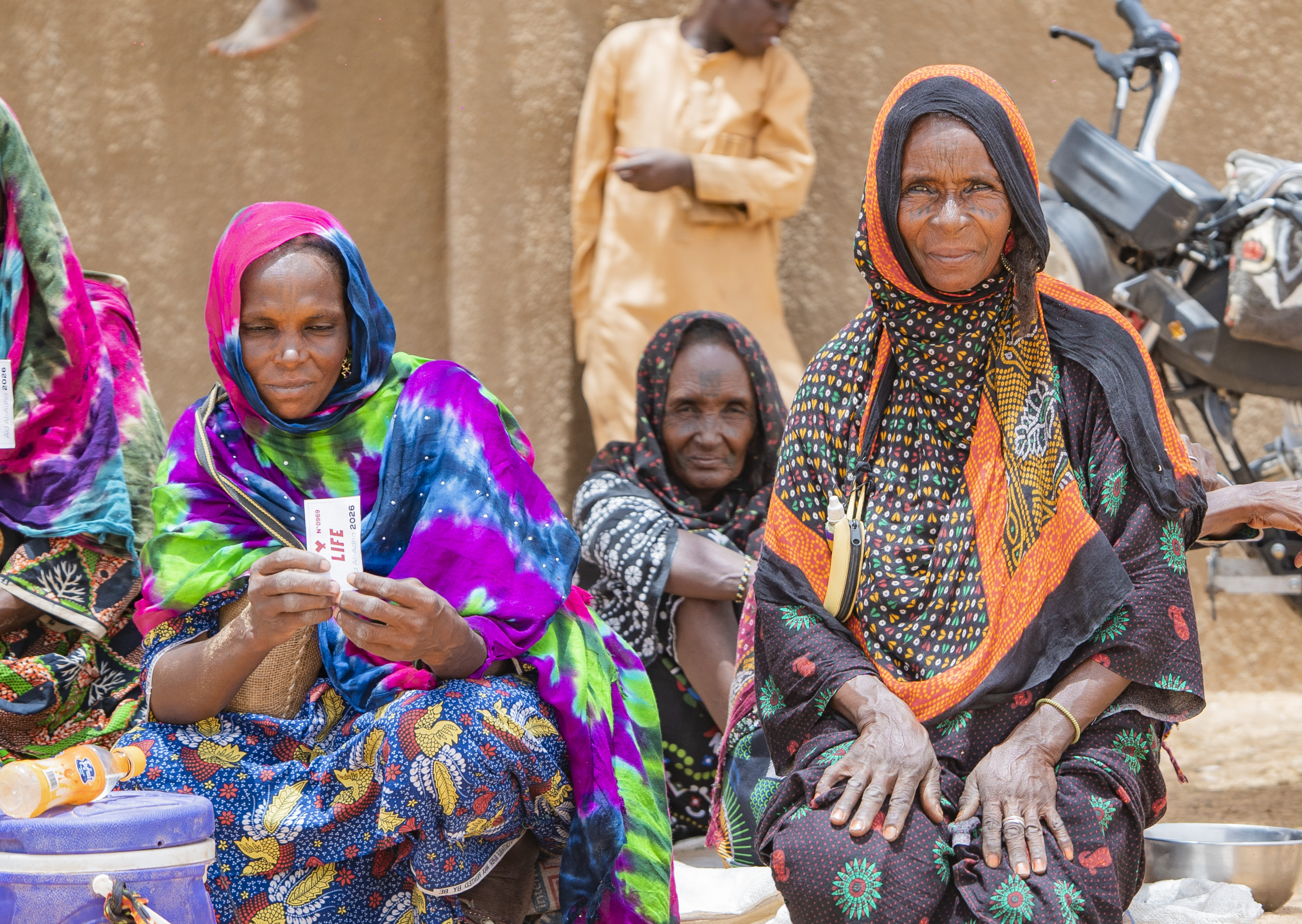

Humanitarian emergency: how NGOs respond in the field
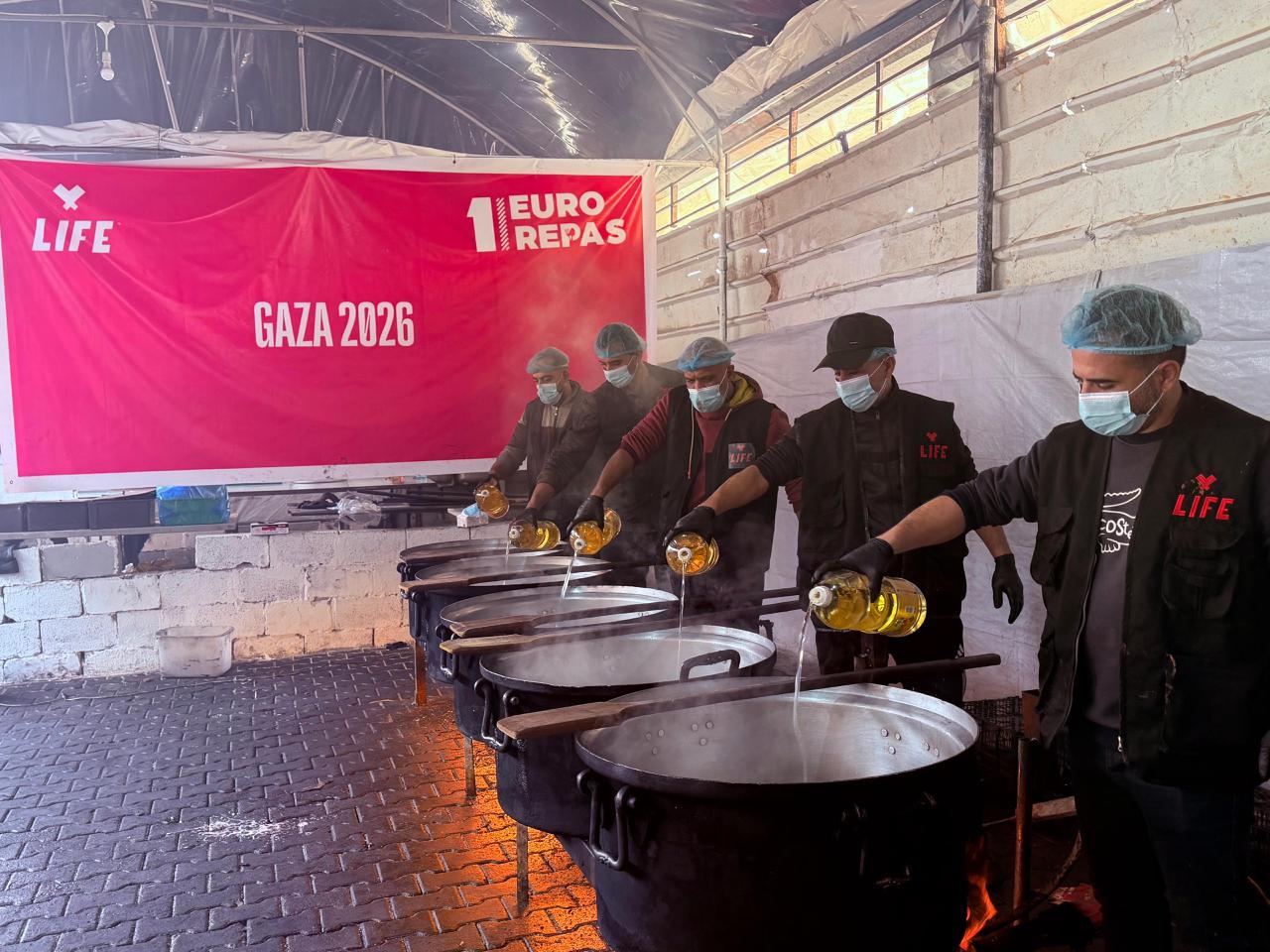
- Une urgence humanitaire survient quand une catastrophe dépasse la capacité d'un pays à répondre aux besoins de survie de sa population.
- Selon les Nations Unies, plus de 305 millions de personnes avaient besoin d'une aide humanitaire d'urgence à l'échelle mondiale en 2025. Pour 2026, l'UNICEF estime que plus de 200 millions d'enfants dans 133 pays auront besoin d'aide.
- Les ONG jouent un rôle central : elles opèrent là où les États ne peuvent pas aller, avec une rapidité que les structures gouvernementales n'ont pas.
- Une intervention humanitaire suit plusieurs phases, de l'évaluation des besoins jusqu'à la reconstruction.
- Life ONG est présente dans plus de 25 pays et peut intervenir en quelques heures grâce à son réseau de partenaires locaux. Le pôle relation donateur est disponible pour répondre à toutes vos questions.
When we talk about humanitarian emergencies, we often think of televised images: refugee camps, food distributions, medical teams in protective gear. But how does it really work, behind the scenes? Who decides to intervene? How does an NGO like Life get on the ground in just a few days?
This guide explains the practical mechanisms of humanitarian intervention, so you can better understand what your donation helps to fund.
What is a humanitarian emergency?
A humanitarian emergency is a situation where a population's basic needs (food, water, shelter, medical care, security) can no longer be met by available local or national resources, due to a sudden or prolonged crisis.
These crises can be of two types:
- Sudden crises : earthquake, flood, cyclone, explosion. The emergency is immediate, with massive needs arising in the first few hours.
- Prolonged crises : long-term armed conflicts, chronic famines, displacement crises. Needs last for months, sometimes years.
According to the United Nations, over 305 million people worldwide needed urgent humanitarian assistance in 2025, amidst a context marked by the proliferation and intensification of crises. For 2026, UNICEF estimates that over 200 million children in 133 countries and territories will require humanitarian aid.
Le défi du financement : en 2025, les Nations Unies avaient besoin de 47,4 milliards de dollars pour soutenir leurs opérations humanitaires mondiales. La même année, les coupes budgétaires de plusieurs pays donateurs ont provoqué ce que le secteur a qualifié de crise de financement sans précédent, forçant des ONG à réduire ou suspendre des programmes vitaux.
Humanitarian aid actors: who does what?
The international humanitarian response is structured. It relies on three main categories of actors who work in coordination.
United Nations agencies
OCHA (Office for the Coordination of Humanitarian Affairs) coordinates the entire international response. It assesses needs, mobilizes resources, and orchestrates the intervention of various actors. Orbiting around it are WFP (World Food Programme), UNICEF (children), UNHCR (refugees), WHO (health), and IOM (migration).
The Red Cross Movement
The ICRC (International Committee of the Red Cross) and national Red Cross societies primarily intervene in armed conflicts, with negotiated access to belligerent parties.
Humanitarian NGOs
This is where organizations like Life NGO come in. NGOs play an irreplaceable role: they are often present before UN agencies, they have local networks that know the terrain, and they can operate in areas where institutional access is denied.
Un fait méconnu : dans de nombreuses crises, ce sont les partenaires locaux des ONG qui assurent la majorité des distributions d'aide, bien avant que les grandes agences onusiennes n'arrivent à pleine capacité. Life ONG s'appuie sur ce type de réseaux pour intervenir rapidement et efficacement dans ses 25 pays d'intervention.
<aside>📌
Image : diagram of international humanitarian actors (UN, Red Cross, NGOs) and their respective roles — alt: "International humanitarian aid actors NGOs UN Red Cross coordination"
</aside>
How do NGOs respond to emergencies? The 5 phases
From the onset of a crisis to the withdrawal of teams, a humanitarian intervention follows several distinct phases. Each has its own constraints and funding needs.
Phase 1: Monitoring and Early Warning
Reputable NGOs don't learn about crises from newspapers. They have permanent monitoring systems in place, linked with OCHA, governments, and their local networks. As soon as a situation deteriorates, an internal alert is triggered.
Life NGO maintains a permanent presence in over 25 countries, allowing it to identify early warning signs of a crisis and prepare to intervene before the situation becomes unmanageable.
Phase 2: Needs Assessment
Before sending aid, a reputable NGO conducts an assessment. How many people are affected? What are the priority needs (water, food, shelter, care)? Which areas are accessible? Which actors are already present?
This step is essential to avoid duplication, focus resources where they are most needed, and choose the most appropriate intervention methods.
Phase 3: Immediate Emergency Response (0-3 months)
This is the visible phase: food distributions, hygiene kits, tents, medical care. Its aim is to save lives in the first few weeks.
This is also the phase most reliant on public donations: institutional funding takes time to mobilize, and it's often private donations that enable NGOs to act in the first hours.
Phase 4: Stabilization (3-12 months)
Once immediate survival is ensured, the NGO works to stabilize the situation: repairing water points, reactivating health structures, providing psychosocial support, and offering cash assistance so families can purchase what they need themselves.
Phase 5: Reconstruction and Development
In prolonged crises, NGOs remain present long after the immediate emergency to support the reconstruction of livelihoods, infrastructure, and basic services.
<aside>📌
Image : timeline of the 5 phases of a humanitarian intervention with corresponding actions — alt: "5 phases humanitarian intervention NGO emergency stabilization reconstruction"
</aside>
What sectors does a humanitarian intervention cover?
A humanitarian emergency is not limited to distributing food. Aid covers several vital sectors simultaneously:
| Secteur | Ce que ça recouvre concrètement |
|---|---|
| Sécurité alimentaire | Distributions de nourriture, aide en cash, soutien agricole d'urgence |
| Eau, assainissement et hygiène (WASH) | Accès à l'eau potable, latrines, kits hygiène |
| Santé | Soins d'urgence, médicaments, soutien aux hôpitaux et cliniques |
| Abri | Tentes, matériaux de construction, réparation de logements |
| Protection | Protection des enfants, lutte contre les violences sexuelles, documentation |
| Éducation | Espaces d'apprentissage temporaires, fournitures scolaires |
| Santé mentale | Soutien psychosocial pour les victimes de traumatismes |
Life NGO covers several of these sectors based on the needs identified in each country of intervention, with a priority on food security, access to drinking water, and emergency medical aid.
Why are private donations essential?
Humanitarian NGOs are funded through several sources: public grants, funding from UN agencies, and private donations. Each source has its advantages and constraints.
Donations from individuals are the only ones that allow for total flexibility : the NGO uses them where the needs are most urgent, without geographical or thematic restrictions imposed by a donor. They are also the quickest to mobilize: when a disaster occurs, the first private donations arrive within hours, long before institutional funding is released.
That's why a donation to Life NGO, even a modest one, can have an immediate impact when a crisis breaks out.
To understand how to maximize the impact of your donation, our article on regular vs. one-time donations explains how the two formats complement each other. And to understand what an NGO is and how it differs from other humanitarian actors, our guide What is an NGO? lays out all the fundamentals.
<aside>📌
Image : photo of a Life NGO team preparing emergency kits before a field distribution — alt : "Life ONG team preparing humanitarian emergency kits for field distribution"
</aside>
How does Life ONG manage its emergency responses?
Life ONG has several strengths for effective emergency intervention:
- A permanent presence in over 25 countries through its local teams and partners, enabling action from the very first hours
- Pre-positioned emergency funds to avoid fundraising delays before acting
- A network of local partners familiar with accessible areas, specific needs, and supply routes
- Full transparency in operations: country-specific reports, published financial statements, GPS tracking system on certain missions
If you have a question about a specific intervention or the use of your donation during an emergency, Life's donor relations department is available to answer you directly.
Chaque euro est mobilisable en quelques heures. Reçu fiscal 75 %. Pôle relation donateur disponible.
Faire un don maintenant →Quelle est la différence entre aide humanitaire et aide au développement ?
L'aide humanitaire répond à des besoins immédiats de survie : elle est déclenchée par une crise et vise à sauver des vies à court terme. L'aide au développement s'inscrit dans une logique de long terme : améliorer durablement les conditions de vie d'une population. En pratique, les deux se complètent. Une ONG comme Life intervient d'abord en urgence, puis accompagne parfois la reconstruction sur plusieurs années.
Comment les ONG coordonnent-elles leurs interventions pour éviter les doublons ?
La coordination est assurée par OCHA à l'échelle internationale, via un système de clusters thématiques (alimentation, eau, santé, abri...) dans lesquels chaque ONG déclare ses zones et ses actions. À l'échelle locale, des réunions de coordination régulières permettent d'éviter que plusieurs organisations fassent la même chose au même endroit pendant que d'autres zones sont laissées sans aide.
Pourquoi certaines crises reçoivent-elles beaucoup d'aide et d'autres presque rien ?
L'aide humanitaire est fortement influencée par la couverture médiatique. Les crises visibles génèrent des dons bien supérieurs aux crises "oubliées". C'est ce qu'on appelle le "CNN effect". Des crises majeures comme celle du Soudan restent structurellement sous-financées malgré l'ampleur des besoins, précisément parce qu'elles n'ont pas l'exposition médiatique d'autres conflits.
Combien de temps une ONG reste-t-elle présente après une urgence ?
Cela dépend de la nature de la crise et des besoins. Pour une catastrophe naturelle dans un pays stable, la présence peut durer de quelques semaines à quelques mois. Pour un conflit armé prolongé comme en RDC ou au Soudan, des ONG comme Life sont présentes depuis des années. L'objectif est toujours de rendre les populations moins dépendantes de l'aide extérieure.
Est-ce que mon don à Life ONG est utilisé pour les urgences ou pour d'autres projets ?
Vous pouvez orienter votre don vers le fonds d'urgence de Life, ce qui garantit son utilisation pour des interventions de crise. Sans orientation spécifique, votre don va au fonds général qui finance les besoins les plus urgents du moment. Le pôle relation donateur de Life peut vous expliquer comment orienter votre don selon vos préférences.
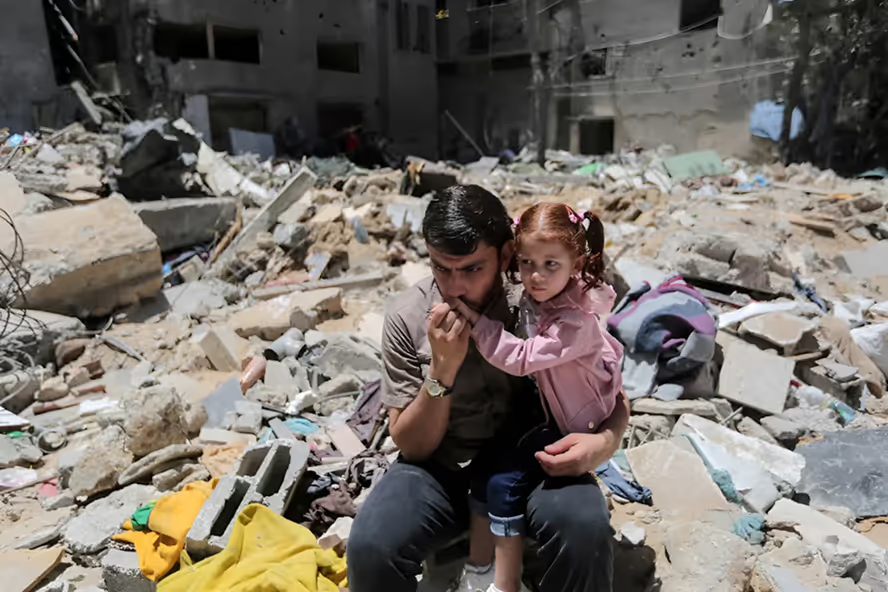
Bring vital aid to families in Gaza. Every donation saves lives.
I give