
DRC: The forgotten crisis affecting millions of displaced people
- La République démocratique du Congo abrite la plus grande crise de déplacements internes en Afrique. Selon l'OCHA, 6,47 millions de personnes étaient déplacées à l'intérieur du pays début 2026, dont 80 % de femmes et d'enfants.
- En janvier 2026 seul, 74 000 personnes supplémentaires ont fui leurs foyers dans l'est du pays à cause des affrontements armés (OCHA, rapport février 2026).
- La crise est structurellement sous-financée : en 2025, seuls 23,9 % des besoins ont été couverts, le taux le plus bas depuis 2016 selon l'OCHA.
- Life ONG intervient dans l'est de la RDC avec des programmes d'aide alimentaire, d'accès à l'eau et de soutien aux populations déplacées.
- Le pôle relation donateur de Life est disponible pour répondre à toutes vos questions sur les opérations en cours.
The DRC is almost never in French TV news headlines. And yet, it is one of the most severe, longest-running, and most neglected humanitarian crises on the planet. For decades, the east of the country has been torn apart by armed conflicts that displace millions of civilians and strain humanitarian capacities.
This guide explains what is really happening in the DRC, why it's so difficult to resolve, and how you can take concrete action from France.
What is the situation in the DRC in 2026?
The crisis is concentrated in the eastern part of the country: the provinces of North Kivu, South Kivu, Ituri, and Tanganyika account for the majority of the violence and displacement. The conflict involves dozens of armed groups, including the M23, which is supported by Rwanda according to the UN, and the Armed Forces of the DRC (FARDC).
According to the OCHA report published in February 2026, in January 2026 alone, 74,000 people were forced to flee their homes, bringing the total number of internally displaced persons to 6.47 million. Among them, 76% fled due to the activity of armed groups and clashes. Women and children represent 80% of this uprooted population.
Key figures of the crisis
Sources: OCHA DRC, January and February 2026 reports
| Indicateur | Chiffre |
|---|---|
| Déplacés internes en RDC | 6,47 millions de personnes |
| Nouveaux déplacés en janvier 2026 | 74 000 personnes |
| Personnes dans le besoin en 2026 | Près de 15 millions |
| Personnes ciblées par l'aide en 2026 | 7,3 millions (faute de financement) |
| Déplacés internes au seul Sud-Kivu | 1,51 million (au 31 janvier 2026) |
| Personnes en insécurité alimentaire au Sud-Kivu | 2,97 millions (IPC3+) |
Le paradoxe du sous-financement : selon la note d'analyse d'OCHA RDC de janvier 2026, seuls 23,9 % des besoins humanitaires ont été financés en 2025, le taux le plus faible depuis 2016. Conséquence directe : en 2026, l'aide humanitaire a été recentrée sur 7,3 millions de personnes au lieu des 11 millions ciblées en 2025. Des millions de personnes vulnérables n'auront accès à aucune assistance.
Why has the crisis in the DRC lasted so long?
The DRC is the second-largest country in Africa, with considerable natural resources (coltan, cobalt, gold, diamonds). These riches have fueled greed and conflict for decades.
Several factors make resolving the crisis particularly difficult:
- The multiplicity of armed actors : over 100 armed groups operate in the east of the country, with very different agendas and funding.
- Theregional interference : neighboring countries directly or indirectly support some of these groups
- The weakness of the state in certain remote areas: the regular army does not control the entire territory
- Thevastness of the territory : conflict zones are often difficult to access and lack infrastructure
This complexity does not excuse the crisis's media invisibility. It partly explains why the international community struggles to commit to it long-term.
Ce que dit l'OCHA : dans son rapport de janvier 2026, l'organisation qualifie la crise humanitaire en RDC de "l'une des plus prolongées et des plus négligées de notre époque". La communauté humanitaire ne peut pas élargir sa réponse sans un engagement financier renouvelé de la part des donateurs.
<aside>📌
Image : map of eastern DRC showing conflict provinces (North Kivu, South Kivu, Ituri, Tanganyika) — alt : "Carte crise humanitaire est RDC provinces conflit déplacés 2026"
</aside>
Who are the affected populations?
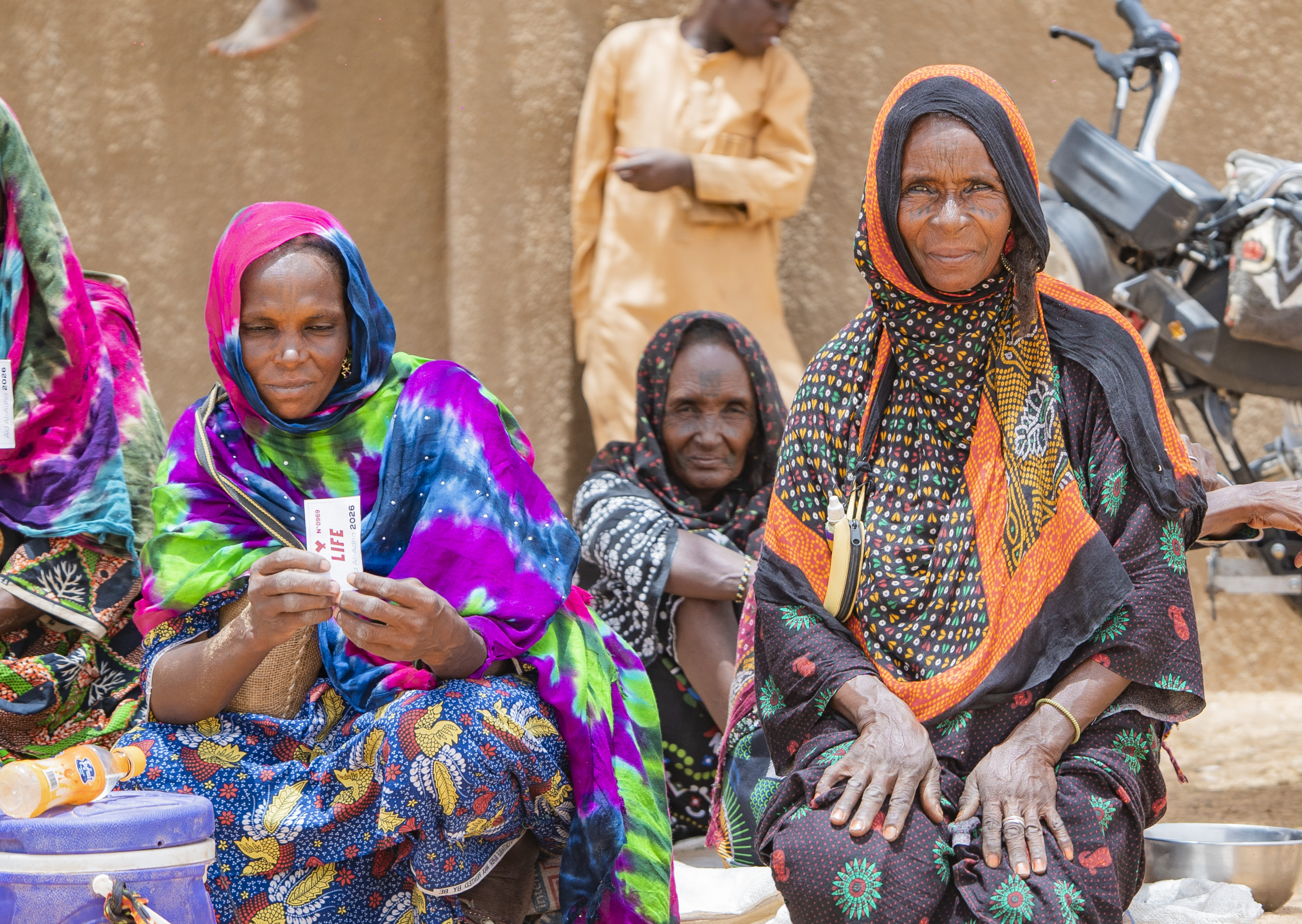
Behind the numbers are faces. The vast majority of displaced people in the DRC are civilians who play no role in the conflicts. They are farmers, herders, families who lived in remote villages and lost everything overnight.
The most vulnerable people are female heads of household: in North Kivu, according to OCHA, 91.2% of them are in a state of poor food consumption. Children are particularly at risk: severe acute malnutrition, diseases, and inability to access school. In South Kivu alone, 688,000 students were deprived of access to education in January 2026.
The majority of displaced people live with host families who share the little they have. Others crowd into collective centers, schools, or churches. Still others sleep outdoors.
<aside>📌
Image : photo of displaced families in eastern DRC, women and children in a camp or with a host family — alt : "Familles déplacées est RDC femmes enfants aide humanitaire Life"
</aside>
How Life ONG Intervenes in the DRC
Life ONG has been operating in eastern DRC for several years, in a particularly challenging operational context. Its programs target the most urgent needs of displaced populations:
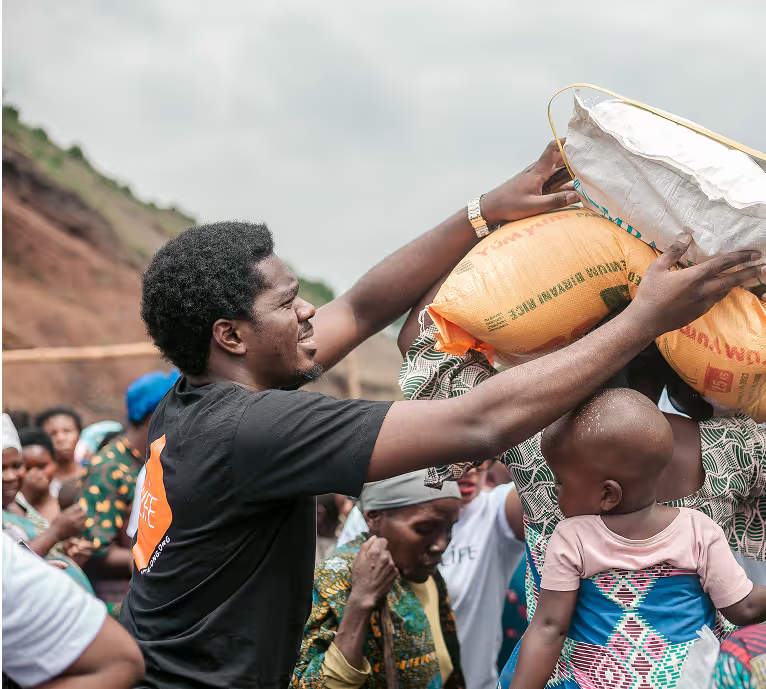
- Emergency food aid : aid package and cash distributions for displaced families
- Access to drinking water : support for water points in affected areas
- Essential kits : hygiene, emergency shelters, blankets
- Support for host communities : families hosting displaced people also experience an economic shock that Life seeks to alleviate
Life works with local partners who understand the local dynamics and can access areas often inaccessible to international humanitarian actors.
To follow Life's operations in the DRC, visit life-ong.org/lp/urgence-rdcongo. Our donor relations team is available to provide you with accurate information on ongoing programs.
Why donating to the DRC is particularly useful today
The crisis in the DRC is one of the most underfunded in the world. In 2025, barely 23.9% of needs were met. In 2026, the response plan was reduced due to lack of funds: millions of vulnerable people who should have received aid will receive none.
In this context, every euro donated to Life for the DRC fills a gap left by the disengagement of institutional donors.
To understand how NGOs manage humanitarian emergencies and how your donation is utilized on the ground, our article Humanitarian Emergency: How NGOs Respond on the Ground explains the entire mechanism. To learn more about another forgotten crisis in Africa, read our article Crisis in Sudan: Understanding the Situation and Where to Donate. And to understand how international humanitarian law is supposed to protect civilians in these areas, our article International Humanitarian Law: The Rules That Protect Civilians in War Zones sets the stage.
Reçu fiscal 75 %. Chaque euro tracé. Partenaires locaux actifs sur le terrain.
Faire un don maintenant →Pourquoi parle-t-on si peu de la crise en RDC ?
Plusieurs facteurs expliquent l'invisibilité médiatique : la complexité du conflit (plus de 100 groupes armés), la difficulté d'accès aux zones de violence pour les journalistes, l'éloignement géographique, et la concurrence avec d'autres crises plus médiatisées. L'OCHA qualifie elle-même la crise congolaise de "l'une des plus prolongées et des plus négligées de notre époque".
Qu'est-ce que le M23 et pourquoi est-ce important ?
Le M23 (Mouvement du 23 mars) est un groupe armé congolais actif dans le Nord-Kivu, soutenu selon l'ONU par le Rwanda. Son offensive a provoqué des vagues de déplacements massifs dans l'est du pays. La situation s'est aggravée en 2025-2026, avec des affrontements intenses dans les provinces du Nord-Kivu et du Sud-Kivu.
La RDC est-elle en situation de famine ?
Certaines zones de l'est de la RDC connaissent une insécurité alimentaire aiguë. Selon l'OCHA, dans le Nord-Kivu, 85,6 % des ménages ont une consommation alimentaire pauvre. Au Sud-Kivu, 2,97 millions de personnes sont en phase IPC3 ou pire. La situation n'est pas officiellement qualifiée de famine à l'échelle nationale, mais des millions de personnes sont en danger alimentaire grave.
Est-ce que l'aide humanitaire arrive vraiment dans l'est de la RDC ?
L'acheminement de l'aide est compliqué par l'insécurité, les routes coupées et les restrictions d'accès. Mais des ONG avec des partenaires locaux établis parviennent à maintenir des opérations dans de nombreuses zones. Life ONG s'appuie sur ces réseaux locaux pour intervenir là où l'accès international est difficile. Le pôle relation donateur peut vous informer sur les zones et programmes en cours.
Comment mon don à Life ONG pour la RDC est-il utilisé ?
Life affecte les dons reçus pour la RDC à ses programmes terrain : aide alimentaire, eau potable, kits de première nécessité, soutien aux communautés d'accueil. Les comptes annuels de Life sont publiés et certifiés par un commissaire aux comptes indépendant. Le pôle relation donateur peut vous fournir des informations précises sur l'affectation de votre don.
Bring vital aid to families in Gaza. Every donation saves lives.
I give