
Legacy and donation to an NGO: passing on your assets to a cause

- Un legs, c’est décider dans votre testament qu’une partie de vos biens ira à une ONG après votre décès. Cela ne vous coûte rien de votre vivant.
- Une donation, c’est transmettre une partie de votre patrimoine de votre vivant, à une ONG comme Life.
- Les ONG reconnues d’intérêt général sont totalement exonérées de droits de succession : 100 % des biens légués financent directement leurs missions.
- L’assurance-vie est un outil complémentaire puissant pour transmettre un capital à Life en dehors de la succession.
- Le pôle relation donateur de Life vous accompagne à chaque étape de votre démarche, en lien avec votre notaire.
You want your values to continue making an impact after you're gone. You want what you own today to benefit vulnerable populations tomorrow. This is the essence of a bequest or donation to an NGO.
It's not just for the wealthy. Nor is it irreversible right away. This guide explains how it works, its tax implications, and how to make this choice with complete peace of mind.
What's the difference between a bequest and a donation?
Two words, two different realities. Many people confuse them.
A Bequestis a testamentary provision. You decide, in your will, that part or all of your assets will go to an NGO after your death. This only takes effect upon your death. You remain free to modify or cancel your will at any time during your lifetime.
A Donationis a transfer made during your lifetime. You give an asset, a sum of money, or a right to an NGO today. It is immediate and irrevocable: once the donation is made, you cannot reclaim it.
Both are gifts : selfless acts, with no expected consideration in return.
Si vous souhaitez vous engager dès maintenant, la donation est adaptée. Si vous voulez préparer la transmission de votre patrimoine sans impacter votre quotidien, le legs est la solution. Le pôle relation donateur de Life peut vous orienter avant même de consulter un notaire.
What types of assets can be bequeathed or donated to Life NGO?
Almost any type of asset can be transferred to an NGO like Life:
| Type de bien | Legs possible | Donation possible |
|---|---|---|
| Somme d'argent | Oui | Oui |
| Bien immobilier (appartement, maison, terrain) | Oui | Oui (acte notarié obligatoire) |
| Valeurs mobilières (actions, obligations) | Oui | Oui |
| Usufruit ou nue-propriété | Oui | Oui |
| Assurance-vie | Via clause bénéficiaire | Non (mécanisme spécifique) |
For real estate, a notarized deed is mandatory, whether for a donation or a bequest. The notary verifies that Life NGO can legally receive the asset and declares the bequest to the prefect.
<aside>📌
Image : illustration symbolizing the transfer of assets to a humanitarian cause (will, pen, hands) — alt: "Bequest to a humanitarian NGO will Life NGO"
</aside>
What are the tax implications for a legacy to Life ONG?
This is one of the most overlooked benefits of this type of transfer. Under Article 795 of the General Tax Code, non-profit organizations with philanthropic, humanitarian, or social purposes are fully exempt from inheritance tax on the assets bequeathed to them.
In concrete terms: 100% of your legacy directly funds Life's missions, with no tax deductions whatsoever. What would have been taxed at 60% if you had left it to someone without a family connection goes entirely to the cause you support.
What this means for your family
A legacy to an NGO does not replace your forced heirs. Under French law, your children have an inalienable right to a portion of your estate: the reserved portion. You can only bequeath to Life the "disposable" portion of your estate:
| Nombre d'enfants | Part réservée aux enfants | Part dont vous disposez librement |
|---|---|---|
| 1 enfant | 1/2 | 1/2 |
| 2 enfants | 2/3 | 1/3 |
| 3 enfants ou plus | 3/4 | 1/4 |
| Aucun enfant | 0 | Totalité |
Si vous n’avez pas d’enfant, vous pouvez léguer l’intégralité de votre patrimoine à Life ONG, avec exonération totale de droits de succession. C’est une façon de transformer toute une vie d’efforts en impact humanitaire durable.
How to leave a legacy to Life ONG: the practical steps
The process is simpler than you might think. It involves three steps.
Step 1: Contact Life before drafting your will
It is highly recommended to contact Life's donor relations department before drafting your will. This process is confidential and without obligation. It allows you to verify that Life is authorized to receive your type of legacy, to understand how your assets will be used, and to ask any questions you may have.
Step 2: Draft your will with a notary
There are three types of wills in France:
- The holographic will : entirely written, dated, and signed by hand. Valid without a notary, but risky if the wording lacks precision.
- The authentic will : drafted by a notary in the presence of two witnesses. More secure and more difficult to contest.
- The sealed will : signed before a notary but kept secret. Rarely used.
In any case, registering your will with the Central Register of Last Wills (FCDDV) is highly recommended. It will be found by the notary when your estate is settled.
Step 3: Inform Life of your decision
While not a legal obligation, it is a much-appreciated step. It allows Life to anticipate the management of the legacy and to contact you to confirm its capacity to receive it. It also gives them the opportunity to send you updates on their missions, so you can see the impact your commitment will have.
<aside>📌
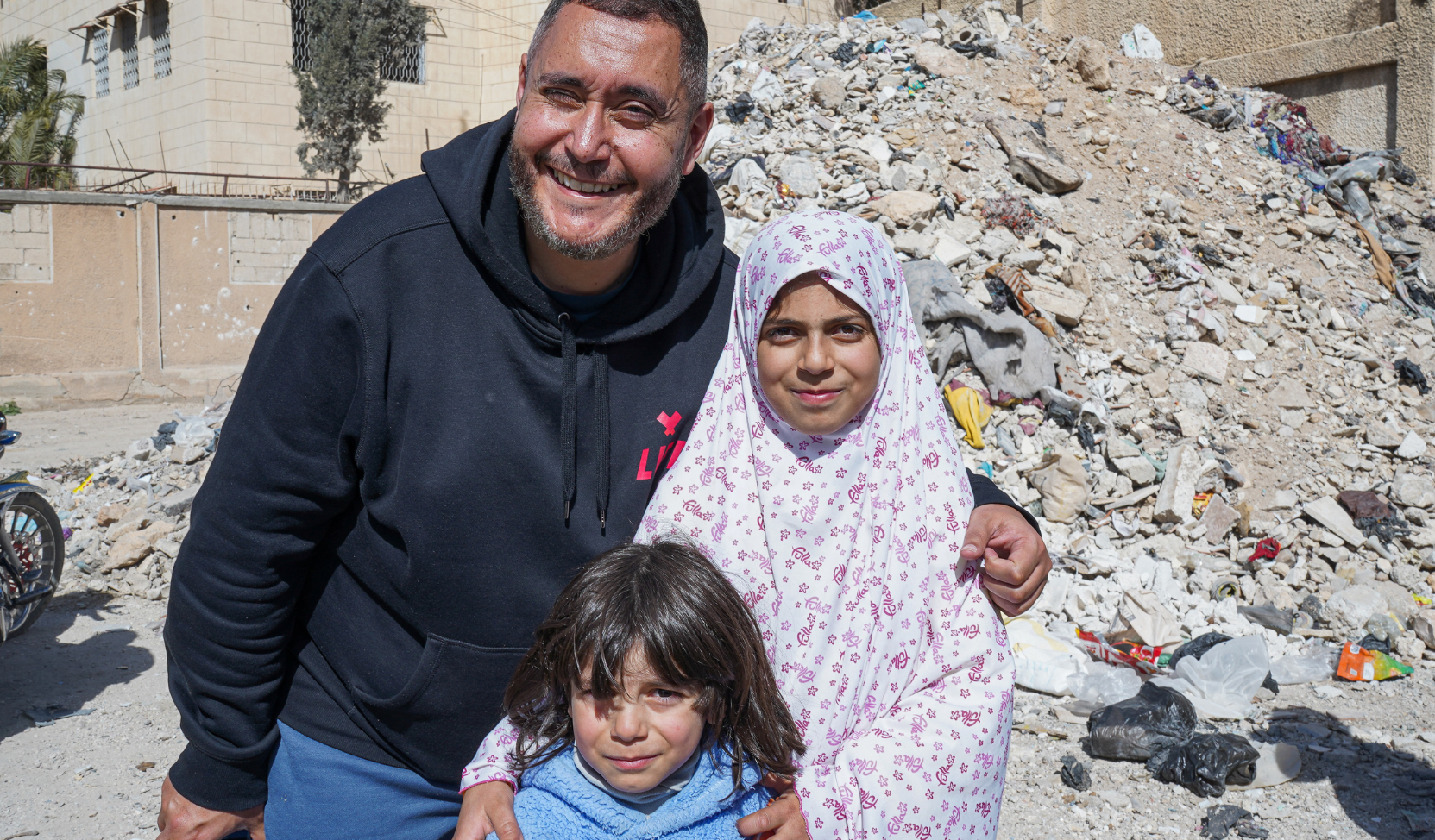
Image : photo of a Life field mission, illustrating the concrete impact of a legacy — alt: "Impact legacy humanitarian NGO Life field beneficiaries"
</aside>
Life insurance: a powerful complementary tool
Life insurance is a mechanism distinct from a legacy, but often complementary. It allows you to designate Life NGO as the beneficiary of a capital sum upon your death, outside the traditional inheritance framework.
Its major advantages:
- Sums paid do not form part of the estate: they are transferred directly to Life
- If payments were made before you turned 70, each beneficiary is exempt up to €152,500
- Life insurance does not compete with your forced heirs: you can designate Life without disadvantaging your children
- You remain free to change the beneficiary at any time
To learn more about the tax implications of donations to Life and the benefits available during your lifetime, our guide on tax-efficient giving explains everything. And to understand how to obtain your tax receipt, consult our guide on the Cerfa tax receipt.
<aside>📌
Image : visual illustrating the mechanism of life insurance for the benefit of an NGO — alt : "Life insurance beneficiary humanitarian NGO Life"
</aside>
Accompagnement gratuit. Aucun engagement avant votre décision.
Contacter Life →Est-ce qu'un legs à Life ONG est exonéré de droits de succession ?
Oui. Life ONG est une association reconnue d'intérêt général à caractère humanitaire. Elle est totalement exonérée de droits de succession sur les legs qu'elle reçoit, conformément à l'article 795 du Code général des impôts. 100 % du patrimoine légué finance directement ses missions terrain.
Puis-je léguer à Life ONG si j'ai des enfants ?
Oui, dans la limite de la "quotité disponible" de votre succession. Vos enfants ont un droit incompressible sur une partie de votre patrimoine. La part dont vous disposez librement est de 1/2 si vous avez 1 enfant, 1/3 pour 2 enfants, 1/4 pour 3 enfants ou plus. Si vous n'avez pas d'enfant, vous pouvez léguer la totalité.
Puis-je changer d'avis après avoir rédigé un testament en faveur de Life ?
Oui. Un testament peut être modifié ou annulé à tout moment, tant que vous êtes en vie et en capacité juridique de le faire. Il est recommandé de faire enregistrer votre testament au Fichier Central des Dispositions de Dernières Volontés pour que votre notaire puisse le retrouver et le mettre à jour selon vos souhaits.
Quelle est la différence entre un legs et une donation de son vivant ?
Un legs prend effet uniquement après votre décès et peut être modifié à tout moment. Une donation de votre vivant est immédiate et irrévocable. La donation implique un acte notarié pour les biens immobiliers. Les deux sont exonérés de droits de succession pour Life ONG.
Comment contacter Life ONG pour un legs ou une donation ?
Contactez le pôle relation donateur de Life via life-ong.org. L'équipe vous répondra de façon confidentielle, sans aucun engagement de votre part, pour vous expliquer les démarches et vous accompagner avant votre rendez-vous avec votre notaire.
.webp)
.jpeg)