

Humanitarian volunteering: how to get involved in France
- Le bénévolat humanitaire ne se limite pas aux missions à l’étranger : on peut s’engager depuis la France, quelques heures par semaine, sans diplôme particulier.
- Il existe plusieurs formes d’engagement : bénévolat ponctuel, régulier, service civique, volontariat de solidarité internationale (VSI).
- Life ONG propose des missions de bénévolat en France et invite régulièrement des bénévoles à rejoindre ses missions terrain à l’étranger.
- Aucun profil type n’est requis : étudiants, actifs, retraités, tous peuvent s’engager selon leurs disponibilités.
- Le premier pas est simple : contacter le pôle relation donateur de Life ONG qui vous orientera vers les missions disponibles.
You want to get involved in a humanitarian cause, but you don't know where to start. Do you need to go abroad? Have medical skills? Be available full-time?
The answer to these three questions is no. Humanitarian volunteering is much more accessible than you might think, and it takes many different forms. This guide explains how you can get involved practically, using Life ONG as an example every step of the way.
What exactly is humanitarian volunteering?
Humanitarian volunteering means donating your time for free to an organization that works to help vulnerable populations, in France or abroad. This is the key distinction from financial donations: here, you contribute your presence, your skills, your energy.
But contrary to the common perception, a humanitarian volunteer isn't necessarily an expatriate doctor in a war zone. The reality is much closer to home and more accessible.
Two main ways to get involved
There are generally two forms of engagement:
- Volunteering in France : you give your time locally, at the NGO's headquarters, during events, fundraising campaigns, or for administrative and communication tasks.
- Field volunteering abroad : you join a mission in a country of operation, for a limited or longer period.
Both are valuable. For the vast majority of people, volunteering in France is the most natural entry point.
<aside>📌
Image : photo of a team of Life ONG volunteers at an event in France (fundraising or awareness campaign) — alt : "Life ONG volunteers France fundraising event"
</aside>
Volunteering, civic service, voluntary service: what are the differences?
Before contacting an NGO, it's useful to understand the different frameworks that exist. They don't require the same availability or the same procedures.
Classic volunteering: the most flexible form
This is the most flexible option. You volunteer your time to an NGO without any contractual framework, based on your availability. A few hours a week, a few weekends a year: you organize your commitment as you wish.
This type of volunteering is open to everyone aged 16 and over, with no diploma or experience required. It's also the simplest way to get started with Life ONG.
Civic Service: A Compensated Commitment for Young People
Civic Service is open to individuals aged 16-25 (30 for people with disabilities). It lasts 6 to 12 months full-time and provides a monthly allowance of approximately €580. Some NGOs offer Civic Service missions in France, in areas such as communication, fundraising, or awareness-raising.
International Solidarity Volunteering (VSI): For Long-Term Commitment Abroad
VSI is a state-regulated framework that allows you to go on a mission abroad with an approved NGO for a period of 6 to 24 months. You receive a monthly allowance, and your expenses are covered. It's the ideal arrangement for a long-term international commitment.
Bénévolat classique = liberté totale, aucune contrainte. Service civique = engagement régulier indemnisé pour les jeunes. VSI = mission longue durée à l’étranger, encadrée et indemnisée. Choisissez selon vos disponibilités et votre projet de vie.
How to Get Involved with Life ONG?
Life ONG welcomes volunteers through two main avenues: commitment in France and participation in field missions abroad.
Become a Volunteer in France with Life
Even from France, there's a lot to do. Life needs volunteers to:
- Help organize fundraising events
- Assist with awareness and communication campaigns
- Help with administrative duties at the headquarters
- Support local solidarity initiatives
No specific profile is required. Students, professionals changing careers, retirees: Life welcomes diverse profiles with varying availabilities. Just a few hours a month are enough to get started.
To join the team, visit life-ong.org/rejoindre-lequipe-de-life or contact Life's donor relations department directly, who will guide you to available missions near you or remotely.
Join a Field Mission Abroad
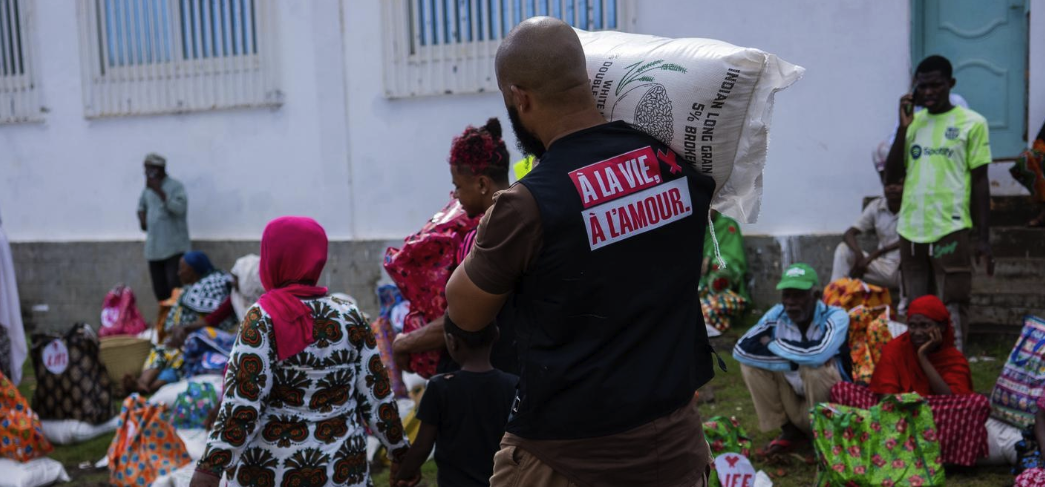
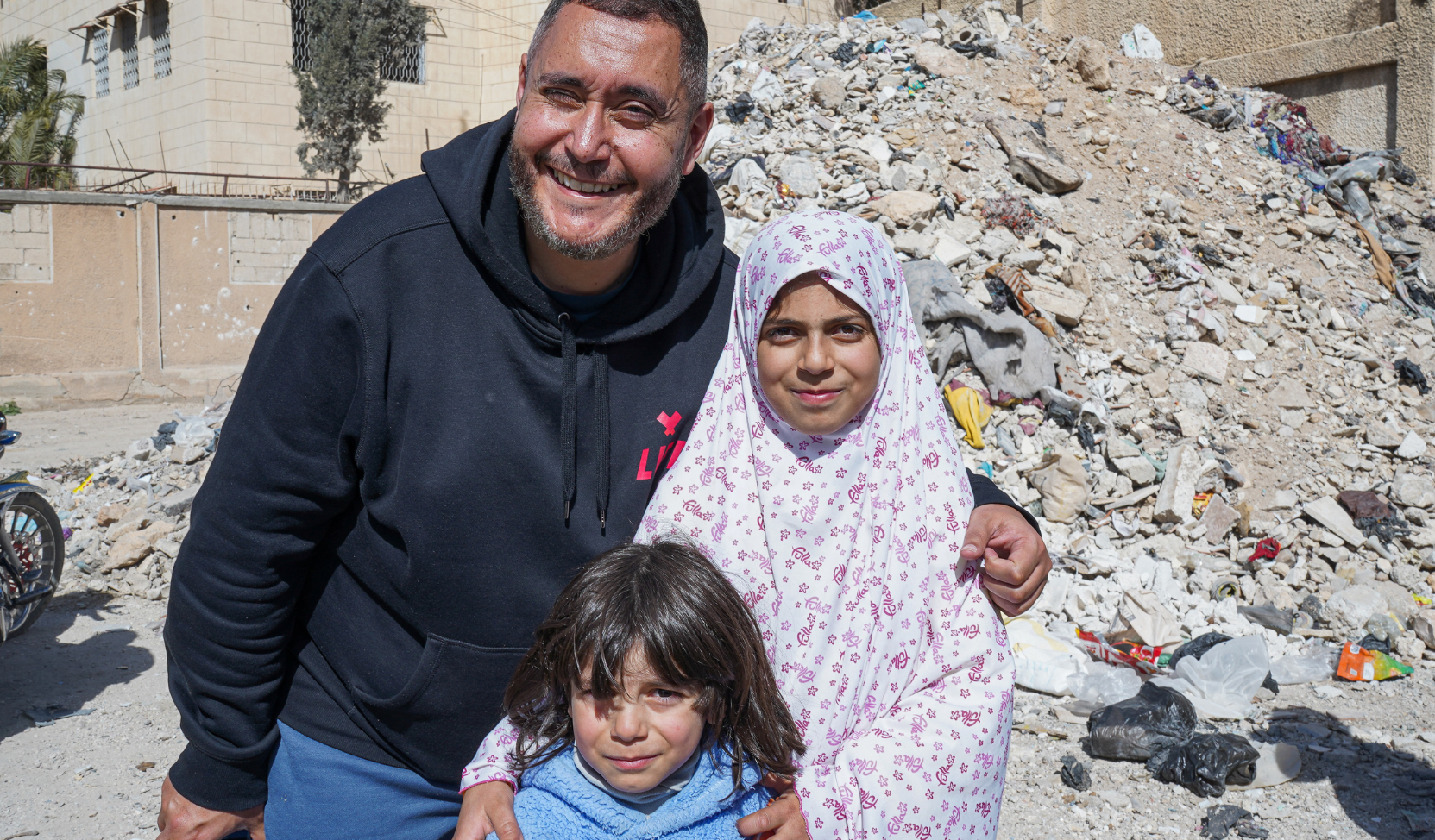
Life regularly invites volunteers to join its field missions abroad, especially during major humanitarian operations like Ramadan. These missions allow direct participation in food distributions, meeting beneficiaries, and reporting back to donors on the reality on the ground.
These trips are fully supervised by Life's teams. They also ensure transparency, as volunteers directly report on what is happening on the ground.
<aside>📌
Image : photo of a Life volunteer on a field mission during a distribution abroad — alt : "Life NGO volunteer field mission humanitarian distribution"
</aside>
Are specific skills needed to be a humanitarian volunteer?
That's the most common misconception. The answer is no, at least for the vast majority of missions.
What NGOs truly look for
Serious humanitarian NGOs need all kinds of profiles:
| Profil | Ce qu'il peut apporter à Life |
|---|---|
| Étudiant | Communication, réseaux sociaux, organisation d'événements |
| Actif en reconversion | Compétences métier (comptabilité, logistique, marketing) |
| Retraité | Disponibilité, expérience terrain ou administrative |
| Parent avec peu de temps | Bénévolat ponctuel lors d'événements |
| Passionné de terrain | Participation aux missions à l'étranger |
What matters most is: motivation, consistency, and the desire to be part of a collective project.
What if you have limited time?
Even a few hours a month are valuable. Life knows how to adapt to everyone's constraints. Volunteering isn't an all-or-nothing commitment.
Les engagements que vous ne pourrez pas tenir. Life préfère un bénévole disponible 2 heures par mois de façon régulière à quelqu’un qui s’engage pour 20 heures et disparaît. La fiabilité est la qualité la plus précieuse.
How to find a humanitarian volunteering mission in France?
Several platforms centralize volunteering opportunities nationwide. The best known is JeVeuxAider.gouv.fr, the public volunteering platform which lists thousands of missions across France. For international volunteering, France Volontaires is the reference platform for missions abroad.
If you wish to get involved directly with Life NGO, the simplest approach is to contact the team directly. Life's donor relations department will guide you to available missions and support you in your first steps.
To find out why more and more French people are choosing to get involved in humanitarian work, our article on Giving Tuesday and major solidarity campaigns will give you a comprehensive insight into this civic movement.
<aside>📌
Image : screenshot of the "Join the Team" page from life-ong.org showing the different forms of involvement offered — alt: "Join Life ONG volunteer team get involved humanitarian France"
</aside>
Volunteering or financial donation: do you have to choose?
No. These are two complementary forms of involvement, not competing ones.
A financial donation allows Life to fund its projects predictably and continuously. Volunteering brings what money cannot buy: time, presence, human skills.
Most Life volunteers are also donors. And many donors who discover Life later become volunteers. It's a natural path, not an obligation.
To understand how donations to Life actually work and what they achieve on the ground, our article on regular vs. one-time donations explains everything in detail.
Découvrez les missions disponibles. Le pôle relation donateur de Life est disponible pour répondre à toutes vos questions et vous orienter.
Rejoindre l’équipe →Faut-il parler une langue étrangère pour être bénévole humanitaire ?
Pas nécessairement, surtout pour les missions en France. Pour les missions terrain à l'étranger, Life travaille avec des équipes et des partenaires locaux qui assurent la communication sur place. L'anglais est un plus pour certaines missions spécifiques, mais pas une condition obligatoire.
À partir de quel âge peut-on faire du bénévolat humanitaire ?
Le bénévolat classique est accessible dès 16 ans. Le service civique également. Les missions terrain à l'étranger sont généralement réservées aux majeurs. Il n'y a pas de limite d'âge supérieure : les retraités sont particulièrement bienvenus pour leur disponibilité et leur expérience.
Est-ce que le bénévolat humanitaire compte dans un CV ?
Oui, et de plus en plus. Une expérience de bénévolat dans une ONG est valorisée par les recruteurs, notamment pour les compétences développées : travail en équipe, gestion de projet, adaptabilité, sens du service. Pour les missions à l'étranger, la dimension interculturelle est particulièrement appréciée.
Quelle différence entre bénévolat et volontariat humanitaire ?
Le bénévolat est totalement gratuit et sans cadre contractuel. Le volontariat (service civique, VSI) est encadré par un contrat et donne droit à une indemnisation. Dans les deux cas, l'engagement est au service de l'intérêt général et non lucratif pour la personne.
Comment contacter Life ONG pour devenir bénévole ?
Rendez-vous sur life-ong.org/agir/rejoindre-equipe pour voir les missions disponibles. Vous pouvez aussi contacter le pôle relation donateur de Life directement : l'équipe vous répondra pour vous orienter vers le type d'engagement qui correspond le mieux à votre profil et vos disponibilités.

.webp)