
Earthquake, flood, cyclone: how to donate effectively after a disaster
.png)
- Quand une catastrophe naturelle survient, l'élan de générosité est immédiat. Mais donner vite ne signifie pas forcément donner efficacement.
- Selon l'IDMC (Observatoire des déplacements internes), 2024 a connu un pic sans précédent de 46 millions de nouveaux déplacements liés à des catastrophes, soit le double de la moyenne annuelle de la décennie précédente.
- Le don financier à une ONG présente sur le terrain est toujours plus efficace qu'un envoi de matériel depuis la France.
- Il faut distinguer les organisations légitimes des appels aux dons opportunistes qui surgissent à chaque catastrophe médiatisée.
- Life ONG est pré-positionnée dans plus de 25 pays et peut déclencher une réponse d'urgence en quelques heures. Le pôle relation donateur est disponible pour toutes vos questions.
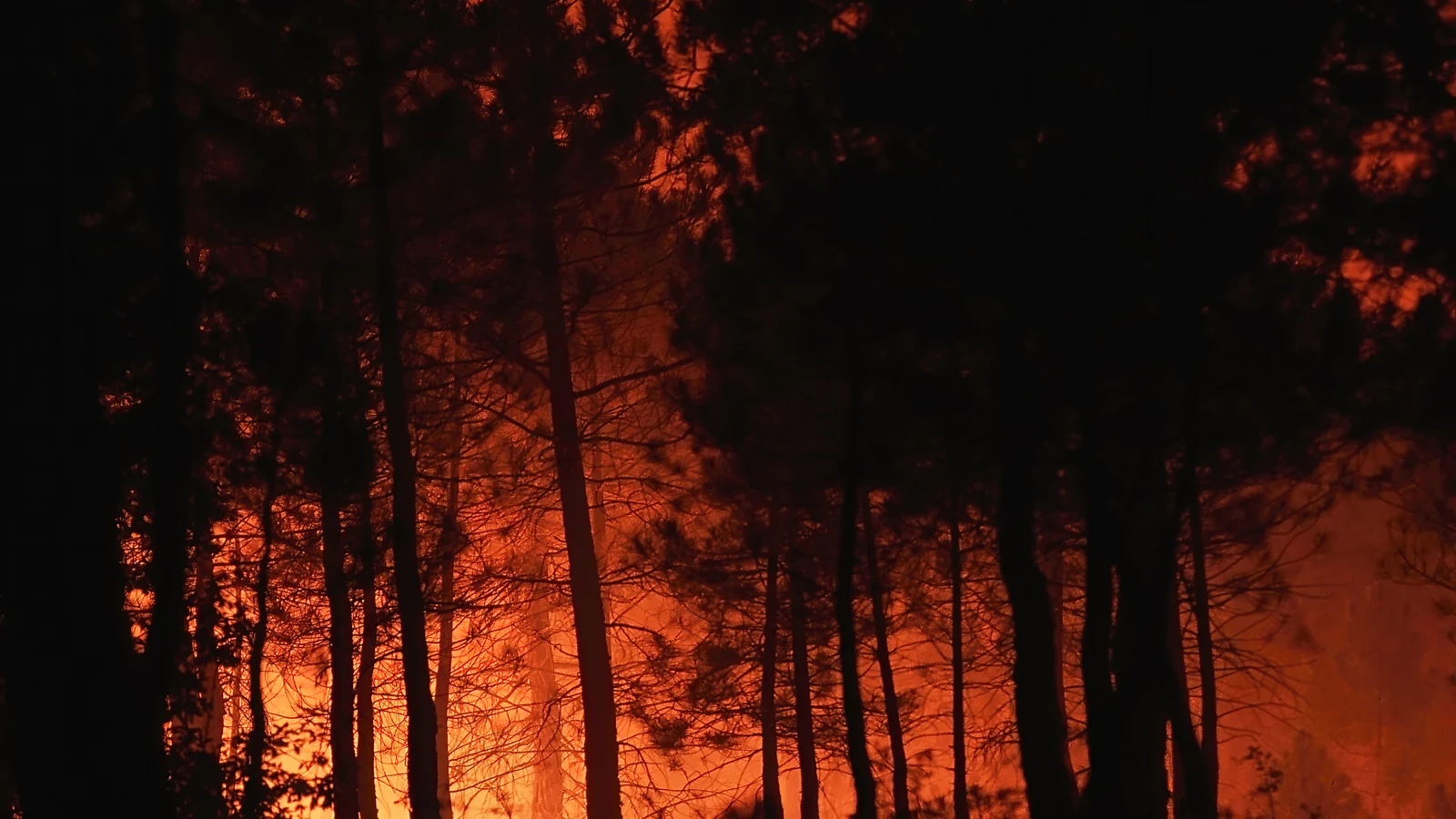
An earthquake of magnitude 7.8. A Category 5 cyclone. A flood that submerges an entire city. Images reach our phones even before rescue teams reach survivors. And with them, the immediate urge to do something, to give. This impulse is valuable. But it needs to be guided. This guide explains how to donate truly effectively after a natural disaster, and how Life ONG responds in these situations.
Why do natural disasters cause massive displacement?
A natural disaster doesn't just destroy buildings. It destroys the conditions that allowed a population to live there: housing, access to drinking water, health services, food markets, roads. According to the IDMC (Internal Displacement Monitoring Centre), 2024 saw an unprecedented peak of 46 million new displacements linked to natural disasters, double the annual average of the previous decade. The most affected populations are those living in high-risk areas with the fewest resources to rebuild.
Earthquake, flood, cyclone: different needs
Each type of disaster generates specific needs, and a reputable NGO adapts its response accordingly:
| Type de catastrophe | Besoins immédiats prioritaires |
|---|---|
| Séisme | Recherche de survivants, soins chirurgicaux d'urgence, abris temporaires |
| Inondation | Eau potable, assainissement, kits hygiène, abris, aide alimentaire |
| Cyclone | Abris d'urgence, désenclavement, eau, nourriture, soins médicaux |
| Sécheresse / famine | Aide alimentaire d'urgence, eau, soutien nutritionnel |
après une catastrophe médiatisée, les dons affluent dans les 48 à 72 premières heures. Mais les besoins durent des mois. La reconstruction d'un point d'eau, d'une infrastructure de santé ou d'un logement prend un an, parfois plus. Les populations les plus fragiles ont besoin d'un soutien dans la durée, pas seulement d'une réaction immédiate.
4 Mistakes to Avoid When Donating After a Disaster
Mistake 1: Sending clothes or food from France
Sending supplies from France is often counterproductive. Sorted and packaged clothes take time to arrive, are expensive to transport, and can sometimes clog logistical routes that rescue teams need. Sent food may be unsuitable for local nutritional needs or arrive expired. An NGO present on the ground buys locally, which is faster, less expensive, and simultaneously supports the local economy affected by the disaster.
Mistake 2: Donating to the first organization you come across
Every highly publicized disaster attracts fraudulent donation appeals or unscrupulous organizations that collect funds without having real intervention capabilities. A few minutes of verification are enough to avoid these pitfalls.
Mistake 3: Only donating in the first few hours
The media peak lasts 48 to 72 hours. The needs, however, last for months. Donations that arrive three weeks after a disaster are often more useful than those in the first few hours: they fund the stabilization phase when attention has shifted elsewhere.
Mistake 4: Forgetting to check if the NGO is already present
An NGO with no presence in the affected country cannot intervene effectively, no matter how well-intentioned. It would first need to set up teams, establish local partnerships, and learn the dynamics on the ground. An already established NGO, with local partners, can act within hours.
Life ONG maintient une présence permanente dans plus de 25 pays via ses équipes et partenaires locaux. Quand une catastrophe survient dans une de ces zones, Life peut déclencher une réponse d'urgence immédiate, sans attendre d'installer des équipes sur place.
How to Choose a Reputable NGO After a Disaster?
Five quick criteria to check before donating:
| Critère | Ce qu'il signifie concrètement |
|---|---|
| Présence terrain préexistante | L'ONG avait des équipes ou partenaires dans le pays avant la catastrophe |
| Transparence financière | Comptes publiés, ratio missions sociales supérieur à 70 % |
| Statut juridique | Association déclarée, reconnue d'intérêt général |
| Reçu fiscal | L'ONG peut émettre un Cerfa : signe de légitimité et avantage fiscal |
| Pas d'urgence artificielle | Les ONG sérieuses ne vous pressent pas avec des délais de 24h |
For a comprehensive method, our guide Donating to an NGO: 5 Criteria for Choosing a Reputable Organization guides you step-by-step. And to understand how to verify an NGO's transparency, our article NGO Transparency: How to Verify the Use of Your Donations gives you all the tools. To understand the tax deductibility of your donation, our complete guide to tax-deductible donations explains how to claim back up to 75% of your donation's value on your taxes.
<aside>📌
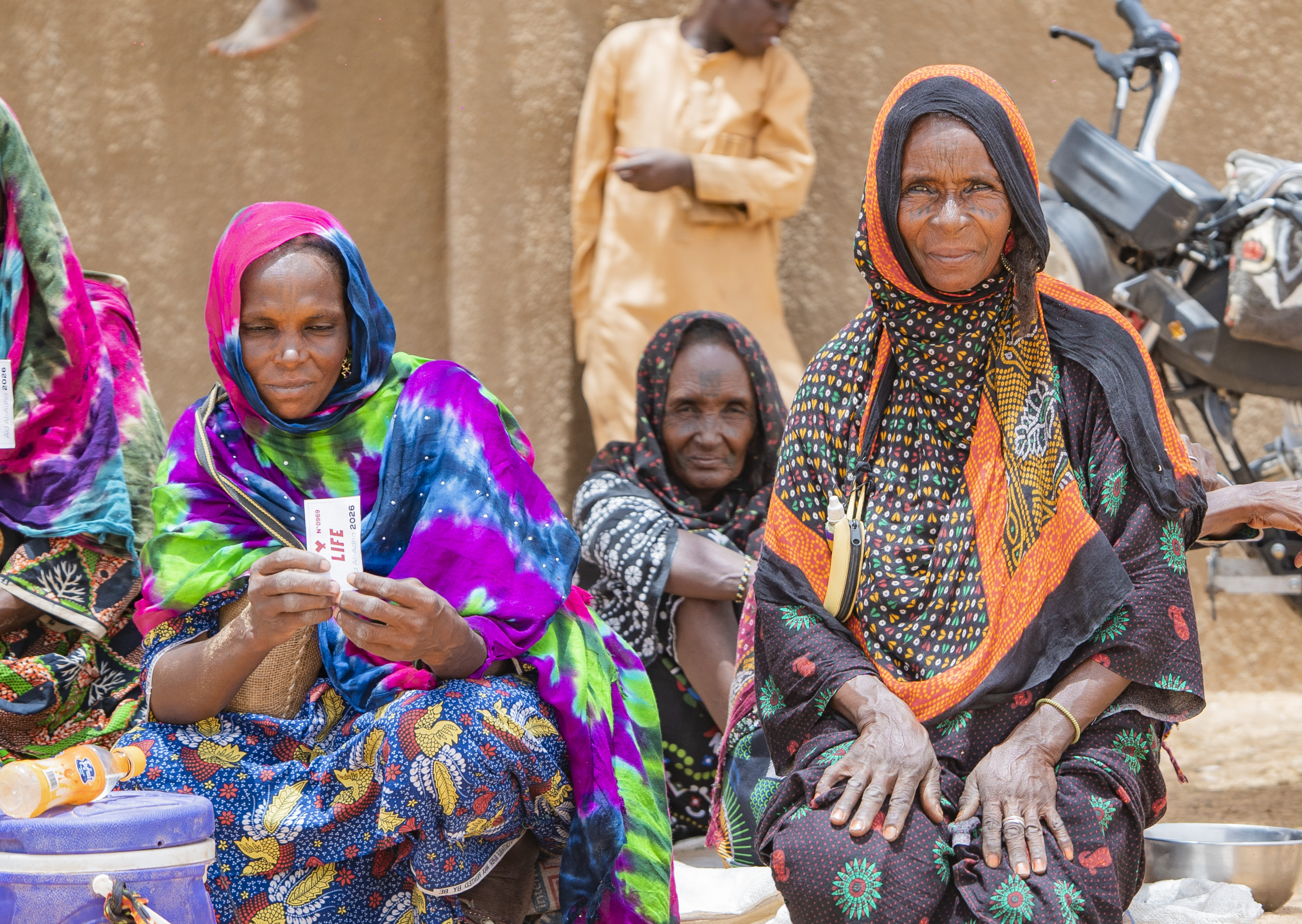
Image : photo of Life ONG teams in action in the first hours after a disaster, distributing emergency kits - alt : "Life ONG emergency response natural disaster kit distribution earthquake flood"
</aside>
How Life ONG Responds to Natural Disasters
Life ONG has a rapid emergency response system. Here's how an intervention typically unfolds:
In the first hours
Life activates its network of local partners in the affected area. They assess immediate needs, identify the most vulnerable populations, and launch initial distributions. Life's pre-positioned emergency funds allow for immediate action without waiting for new fundraising efforts.
In the first days
Life deploys distributions of drinking water, food kits, and hygiene kits to displaced persons. In areas affected by earthquakes or cyclones, emergency shelters (tents, tarpaulins) are distributed to families who have lost their homes.
In the following weeks and months
Life focuses on stabilization: repairing water points, supporting local health structures, and providing cash assistance to enable families to purchase what they need. To understand how NGOs manage each phase of a humanitarian emergency, our article Humanitarian Emergency: How NGOs Respond on the Ground explains the entire mechanism in detail.
<aside>📌
Image : photo of an emergency shelter (tents) distribution after an earthquake or cyclone, Life teams on the ground - alt : "Emergency shelter distribution earthquake cyclone Life NGO field"
</aside>
Your donation to Life NGO for a natural disaster: how it works
When you donate to Life NGO for a specific disaster, your donation is allocated to the corresponding emergency program. Without a specific designation, the donation goes to the general emergency fund, which finances the most critical interventions at the moment. You automatically receive a Cerfa tax receipt by email. The applicable tax deduction is 75% up to €2,000, then 66% beyond that. If you have any questions about the allocation of your donation or ongoing operations, Life's donor relations department will answer you directly.
Réponse en quelques heures. Reçu fiscal 75 %. Pôle relation donateur disponible.
Faire mon don →Faut-il donner tout de suite après une catastrophe ou attendre ?
Les deux ont de la valeur. Les dons immédiats permettent de financer la réponse d'urgence dans les premières heures. Les dons qui arrivent quelques semaines plus tard financent la phase de stabilisation, souvent moins médiatisée mais tout aussi indispensable. Un don mensuel à Life ONG permet de financer les deux phases de façon continue.
Est-ce utile d'envoyer des vêtements ou de la nourriture après un séisme ou un cyclone ?
Dans la grande majorité des cas, non. L'envoi de matériel depuis la France est lent, coûteux et souvent inadapté aux besoins locaux. Les ONG présentes sur le terrain achètent localement ce dont les populations ont besoin. C'est plus rapide, moins cher et ça soutient l'économie locale. Le don financier est presque toujours plus efficace.
Comment savoir si une ONG est vraiment présente dans la zone touchée ?
Consultez le site de l'ONG : elle doit avoir des pages ou des actualités qui montrent sa présence préalable dans la région. Vous pouvez aussi contacter le pôle relation donateur de Life pour des informations précises sur sa présence et ses opérations dans la zone concernée.
Mon don sera-t-il utilisé uniquement pour la catastrophe que j'ai choisie ?
Si vous orientez votre don vers une catastrophe spécifique sur le site de Life, il sera affecté à ce programme. Sans orientation spécifique, il ira au fonds d'urgence général. Le pôle relation donateur peut confirmer l'affectation de votre don et vous informer sur les opérations en cours.
Est-ce que mon don après une catastrophe naturelle est défiscalisable ?
Oui. Life ONG est reconnue d'intérêt général et habilitée à émettre des reçus fiscaux. Le taux de réduction d'impôt est de 75 % jusqu'à 2 000 € de dons, puis 66 % au-delà. Vous recevez votre reçu Cerfa automatiquement par email après votre don.
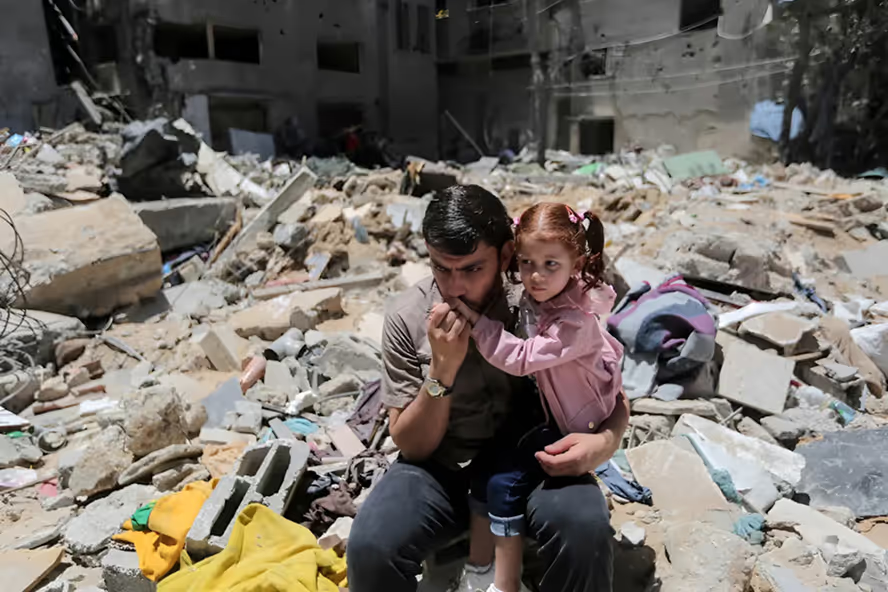
Bring vital aid to families in Gaza. Every donation saves lives.
I give