

What is an NGO? Definition, role, and differences from an association

- ONG signifie Organisation Non Gouvernementale : une structure à but non lucratif, indépendante des États, qui agit pour des causes d’intérêt général.
- En France, la quasi-totalité des ONG ont le statut d’association loi 1901. Le terme « ONG » n’est pas un statut juridique, c’est une désignation.
- La principale différence avec une association classique : l’échelle d’action, souvent internationale, et le poids dans les relations entre États et institutions.
- Life ONG est une association loi 1901 qui intervient dans +25 pays : un exemple concret d’ONG humanitaire française.
- On estime à 10 millions le nombre d’ONG dans le monde. En France, environ 450 structures peuvent être considérées comme des ONG au sens strict.
When we hear "NGO," we often think of large organizations that respond to disasters. But beyond the acronym, what's the exact definition? What's the difference between an NGO, an association, a foundation, or an international organization? And practically, how do they operate?
This guide answers all these questions, using Life ONG as a concrete example throughout.
What exactly is an NGO?
NGO stands for Non-Governmental Organization. It is a non-profit structure, independent of states and international institutions, that works for causes of general interest.
The term first appeared in 1945, used by the United Nations Economic and Social Council to designate private organizations that could participate in UN work without being governments.
Since then, the word has become popular. But beware: NGO is not a legal status. It's a designation, a label. An NGO does not exist "as an NGO" under French law.
How does an NGO legally exist in France?
In France, almost all NGOs are legally 1901 law associations. This is the most accessible and flexible form: two people are enough to create an association, with no mandatory starting capital.
A few rare NGOs opt for foundation status, but the requirements are much stricter: an initial endowment and statutes validated by the Council of State are required. Less than 2% of French NGOs choose this option.
Life ONG is a 1901 law association, declared and recognized as being of public interest. This status allows it to receive donations eligible for tax deductions and to operate legitimately in the 25+ countries where it is active.
<aside>📌
Image : photo of Life ONG's headquarters in France or official logo on a neutral background — alt: "Life ONG 1901 law association France"
</aside>
What's the difference between an NGO and a classic association?
Legally in France, there isn't one. An NGO is an association. However, in practice, several elements concretely distinguish them.
Scope of Action
A typical association often operates locally or nationally: a sports club, a neighborhood social group, a cultural association. An NGO generally has an international dimension. It operates in at least two countries, works with foreign partners, and sometimes participates in the decision-making processes of institutions like the UN or the European Union.
Influence in International Relations
Some large NGOs have observer status with the UN. They participate in international conferences on climate, human rights, and development aid. A local theater association does not have that kind of international legitimacy.
Informal Criteria for an NGO
Even without a precise legal definition, an NGO is generally recognized by these characteristics:
| Critère | Ce que ça signifie |
|---|---|
| But non lucratif | Aucun bénéfice distribué aux membres |
| Indépendance de l'État | Pas sous tutelle gouvernementale |
| Intérêt public | Agit pour des causes qui dépassent ses membres |
| Dimension internationale | Intervient dans au moins deux pays |
| Financement mixte | Dons, subventions, mécénat |
Coordination SUD, la plateforme qui regroupe les ONG françaises de solidarité internationale, estime à environ 450 le nombre de structures pouvant vraiment être qualifiées d’ONG en France. Sur 1,5 million d’associations déclarées, ça donne une idée de ce que le terme implique vraiment.
NGO, Association, Foundation: What are the concrete differences?
The three terms often overlap. Here are their essential differences at a glance:
| Critère | Association | ONG | Fondation |
|---|---|---|---|
| Statut juridique en France | Loi 1901 | Loi 1901 (en général) | Loi 1987 |
| Créée par | Des personnes | Des personnes | Un patrimoine affecté à une cause |
| Capital de départ | Non requis | Non requis | Requis |
| Échelle d'action | Locale à nationale | Nationale à internationale | Variable |
| Reçoit des dons défiscalisés | Si reconnue d'intérêt général | Oui (en général) | Oui |
| Exemple | Club de foot local | Life ONG | Fondation de France |
A foundation is not a group of people united around a project: it is an endowment dedicated to a cause, managed independently. This is why large NGOs prefer the association status: it allows for democratic governance, with members, general assemblies, and proximity to donors.
<aside>📌
Image : comparative infographic association / NGO / foundation in three columns — alt: "Differences NGO association foundation France"
</aside>
In what areas do NGOs operate?
Globally, three main areas can be distinguished:
- International solidarity and humanitarian aid : emergency aid, access to water, food, health, child protection
- Human rights : defense of freedoms, support for refugees, fight against discrimination
- Theenvironment : biodiversity protection, fight against climate change, reforestation
Many NGOs today operate in several of these areas simultaneously. Life ONG primarily focuses on international solidarity: food distribution, access to drinking water, emergency aid during crises, and support for vulnerable populations in +25 countries.
To find out how Life intervenes during humanitarian crises and how your donation can support these missions, read our article on humanitarian emergencies and the role of NGOs.
How do NGOs get funding?
Contrary to popular belief, NGOs do not solely rely on donations from the general public. Their funding sources are usually diverse:
- Individual donations : the foundation, the one you're familiar with. They often represent a significant portion of humanitarian NGOs' budgets.
- Public grants : some governments, the European Union, or international agencies fund specific projects.
- Corporate sponsorship : partnerships with companies that support a cause related to their social responsibility.
- International funding : organizations like the UN or its agencies can fund partner NGOs.
Life ONG relies primarily on individual donations, which guarantees its complete independence from governments and institutional donors.
Une ONG qui dépend à plus de 80 % de subventions publiques risque de perdre son indépendance d’action. Quand un gouvernement finance une ONG, il peut influencer ses priorités. Les ONG majoritairement financées par les dons de particuliers restent les plus libres d’intervenir là où les besoins sont les plus grands.
How does Life ONG exemplify what a humanitarian NGO is?
Life ONG was founded in France and now operates in over 25 countries, primarily in Africa, the Middle East, and Asia. Its missions include emergency food aid, access to drinking water, child protection, and distributions during major humanitarian crises.
Organizationally, Life ticks all the boxes for what is expected of a serious NGO:
- Status as a 1901 law association, recognized as being of public interest
- Funding primarily based on individual donations
- Annual accounts published and certified by an auditor
- Member of Coordination SUD and Coordination Humanitaire et Développement (CHD)
- Over 85% of funds directly allocated to field missions
To learn more about Life's history and values, visit life-ong.org/histoire-de-life.
If you wish to get involved in ways other than financial donations, our article on humanitarian volunteering in France provides you with all the practical avenues. And if you have questions about Life or how to support its actions, Life's donor relations department is available to answer them.
<aside>📌
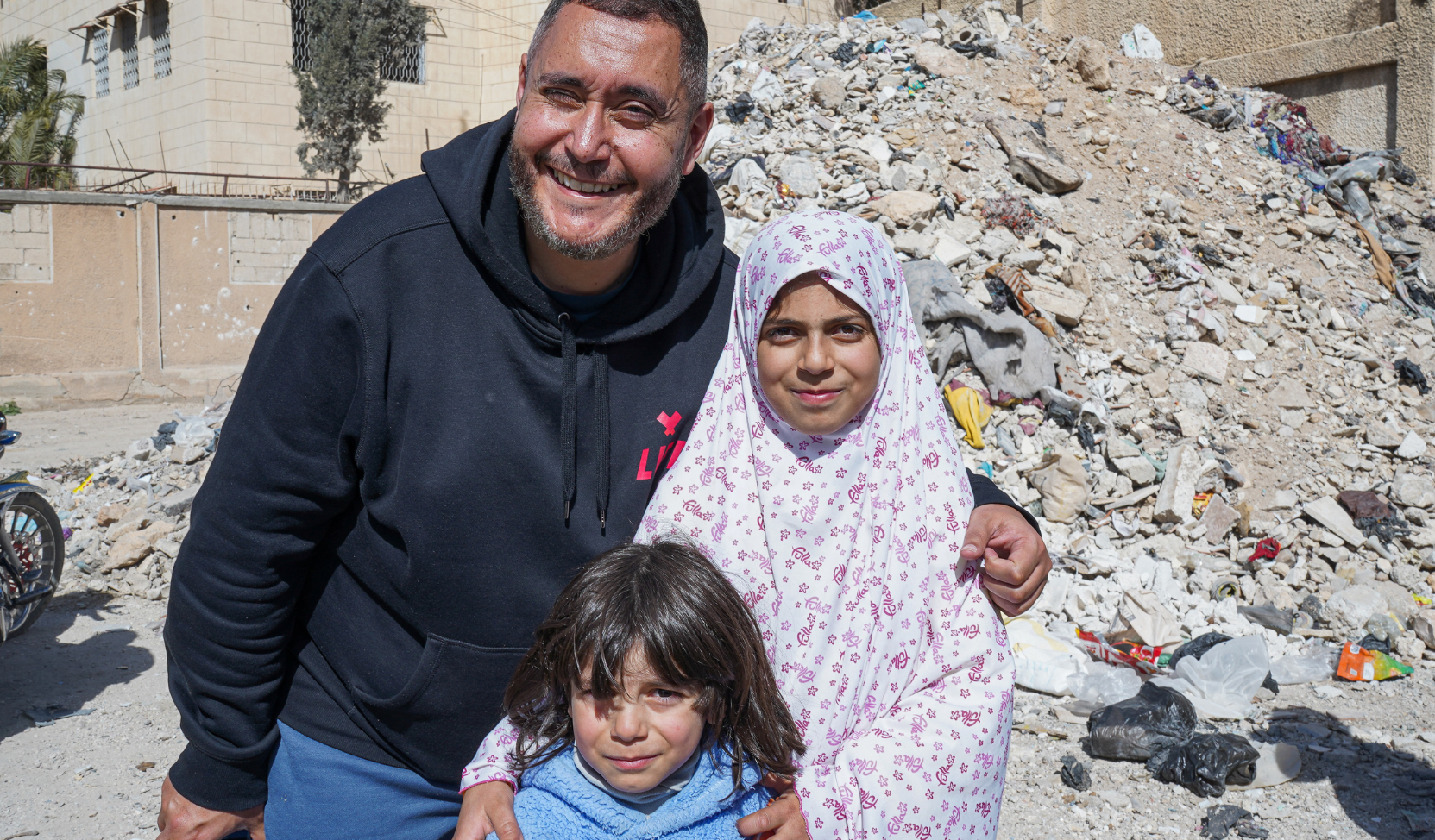
Image : photo of a Life mission in the field in one of the 25 countries where it operates — alt : "Humanitarian mission Life NGO field international operations"
</aside>
Reçu fiscal automatique. Comptes publiés. Missions dans +25 pays.
Faire un don →C'est quoi la différence entre une ONG et une association ?
Sur le plan juridique en France, il n'y en a pas : la quasi-totalité des ONG sont des associations loi 1901. La différence est pratique : une ONG a généralement une dimension internationale, un poids dans les relations entre États, et intervient sur des causes qui dépassent le cadre local ou national. Une association peut être un club de sport de quartier ; une ONG comme Life agit dans 25 pays.
Est-ce qu'une ONG peut faire des bénéfices ?
Non. Une ONG est par définition une structure à but non lucratif. Elle peut dégager des excédents comptables, mais ces excédents sont obligatoirement réinvestis dans ses missions. Aucun bénéfice ne peut être distribué à ses membres ou fondateurs.
Comment savoir si une ONG est fiable avant de lui faire confiance ?
Vérifiez qu'elle publie ses comptes annuels, qu'elle est membre d'un réseau reconnu comme Coordination SUD, et qu'elle délivre un reçu fiscal Cerfa après chaque don. Notre guide complet sur les 5 critères pour choisir une ONG sérieuse vous donne une méthode simple étape par étape. En cas de doute, le pôle relation donateur de Life est disponible pour répondre à vos questions.
Combien y a-t-il d'ONG dans le monde ?
On estime à environ 10 millions le nombre d'ONG dans le monde. En France, environ 450 structures peuvent être considérées comme des ONG au sens strict, selon Coordination SUD. Sur les 1,5 million d'associations déclarées en France, la grande majorité agit localement et ne remplit pas les critères d'une ONG.
Une ONG peut-elle recevoir de l'argent d'un gouvernement ?
Oui. Certaines ONG reçoivent des subventions publiques pour financer des projets spécifiques. Mais une ONG qui dépend trop de financements publics risque de perdre son indépendance d'action. Life ONG est principalement financée par les dons de particuliers, ce qui lui garantit une totale liberté pour intervenir là où les besoins sont les plus urgents.

.webp)