
Eid al-Adha 2026: date, meaning, and how to celebrate
.jpg)
- L'Aïd al-Adha 2026, aussi appelée Aïd el-Kébir ou fête du sacrifice, est prévue le mercredi 27 mai 2026 en France (sous réserve de confirmation par observation du croissant lunaire). Le jour d'Arafat tombe la veille, le mardi 26 mai.
- C'est la plus importante des deux grandes fêtes de l'islam. Elle commémore la soumission du prophète Ibrahim, prêt à sacrifier son fils par obéissance à Allah, avant qu'un bélier lui soit substitué au dernier moment.
- La fête dure quatre jours (27 au 30 mai 2026) et se décline en trois moments : la prière collective du matin, le sacrifice rituel (Qurbani), et le partage de la viande entre famille, voisins et personnes dans le besoin.
- Le sacrifice peut être accompli en personne ou délégué par procuration (Al-Wakala) à une ONG comme Life ONG, qui se charge de le réaliser et de distribuer la viande aux populations vulnérables.
- Le pôle relation donateur de Life est disponible pour toutes vos questions sur le sacrifice par procuration.
Every year, Eid al-Adha brings together millions of Muslims worldwide for a shared celebration of faith, sacrifice, and sharing. In 2026, the festival is expected on Wednesday, May 27th in France. Whether you wish to better understand its meaning, prepare for the rituals, or share your sacrifice with communities in need, this guide provides all the essential information.
Eid al-Adha, Eid al-Kabir, Tabaski: why so many names?
The festival goes by different names depending on the region of the world, but it always refers to the same celebration.
Eid al-Adha (عيد الأضحى) means "Feast of Sacrifice" in Arabic. It is the most commonly used name in the Arab world and in religious texts.
Eid al-Kabir (عيد الكبير) means "the Great Feast," in contrast to Eid al-Fitr, known as "the Lesser Feast," which marks the end of Ramadan. This is the most common designation in France and North Africa.
Tabaski is the name used in West Africa (Senegal, Mali, Guinea, Ivory Coast, Gambia). Kurban Bayramı is its Turkish equivalent. Qurbani refers more specifically to the ritual sacrifice which is at its heart.
These different names reflect the diversity of Muslim communities worldwide, but they all point to one foundational event: the trial of Prophet Ibrahim.
<aside>📌
Image : photo of worshippers gathered for Eid prayer in a large mosque or open space — alt: "Eid al-Adha prayer 2026 worshippers mosque France festival sacrifice"
</aside>
What is the date of Eid al-Adha 2026 in France?
Eid al-Adha 2026 is scheduled for Wednesday, May 27, 2026 in France, according to calculations by the French Council of Muslim Theology (CTMF). The month of Dhul-Hijjah is expected to begin on Monday, May 18, which sets the 10th day on May 27.
The Day of Arafat, the holiest moment of the pilgrimage and a recommended day of fasting for those not performing Hajj, will fall the day before: Tuesday, May 26, 2026.
Date soumise à confirmation : comme toutes les fêtes islamiques, la date de l'Aïd al-Adha dépend de l'observation du croissant lunaire (hilal). Elle peut varier d'un jour selon les pays et les autorités religieuses locales. La date officielle sera confirmée quelques jours avant par les instances représentatives. En France, il est conseillé de suivre les communiqués de la Grande Mosquée de Paris et du CTMF.
Why does the date change every year?
Eid al-Adha follows the Islamic lunar calendar, which is approximately eleven days shorter than the Gregorian calendar. The holiday therefore moves forward by about ten days each year, completing a full cycle through the solar calendar over roughly thirty years.
| Année | Date prévue en France |
|---|---|
| 2025 | 6 juin |
| 2026 | 27 mai (estimation CTMF) |
| 2027 | 16 mai (estimation) |
| 2028 | 5 mai (estimation) |
The Story of Ibrahim: The Heart of Eid al-Adha
To understand Eid al-Adha, one must look back at one of the most powerful narratives in Islamic tradition, recounted in Surah As-Saffat (chapter 37 of the Quran).
Allah tested the faith of Prophet Ibrahim by commanding him in a dream to sacrifice his beloved son, Ismail. Ibrahim, after consulting his son, decided to obey. Ismail also accepted, with a faith and serenity that are at the heart of this narrative's message. As Ibrahim prepared to perform the sacrifice, Allah substituted his son with a ram, thus rewarding their absolute submission.
This narrative teaches several essential things in Islamic tradition: complete trust in Allah even in the most difficult trials, the value of sincere submission, and the importance of sharing with the less fortunate through the distribution of meat.
Un récit partagé : l'histoire d'Ibrahim et du sacrifice est présente dans les trois grandes religions monothéistes. Dans la Bible (Genèse, chapitre 22), c'est Abraham et son fils Isaac. Dans le Coran (sourate As-Saffât, 37), c'est Ibrahim et Ismaël. Les trois traditions s'accordent sur l'essentiel : la foi absolue d'un homme face à l'épreuve ultime, et la miséricorde divine qui épargne son fils au dernier moment.
How is Eid al-Adha celebrated? Day-by-day rituals
Morning of May 27: The Eid Prayer
The day begins with the congregational prayer, after sunrise. It is Sunnah to purify oneself (Ghusl), apply perfume, wear one's best clothes, and not eat before the prayer so that the first thing consumed is the meat from the sacrifice.
The Eid prayer consists of two units (rak'at), without the call to prayer (adhan). It is followed by a sermon (khutba) from the imam and is usually held at the mosque or in a large open space.
After the Prayer: The Sacrifice (Qurbani / Udhiya)
This is the central moment of the celebration. The sacrifice of an animal (sheep, goat, cattle, or camel) commemorates Ibrahim's act. The meat is then divided into three parts: one-third for the family, one-third for relatives and neighbors, and one-third for those in need.
The sacrifice must be performed on the day of Eid or during the three subsequent days of Tashriq, i.e., until May 30, 2026.
The Following Three Days: The Days of Tashriq (May 28-30)
These days are dedicated to family visits, shared meals, acts of generosity, and takbirat (glorifications of Allah recited after each obligatory prayer).
<aside>📌
Image : photo of a Muslim family gathered around an Eid al-Adha meal, convivial and festive atmosphere — alt: "Family Eid al-Adha 2026 meal sharing celebration sacrifice"
</aside>
Sacrifice by proxy: delegating your Qurbani to an NGO
For those who cannot or do not wish to perform the sacrifice themselves, Islamic tradition allows for sacrifice by proxy, called Al-Wakala. You entrust the amount corresponding to the animal's price to a trusted organization, which is responsible for performing the sacrifice on your behalf.
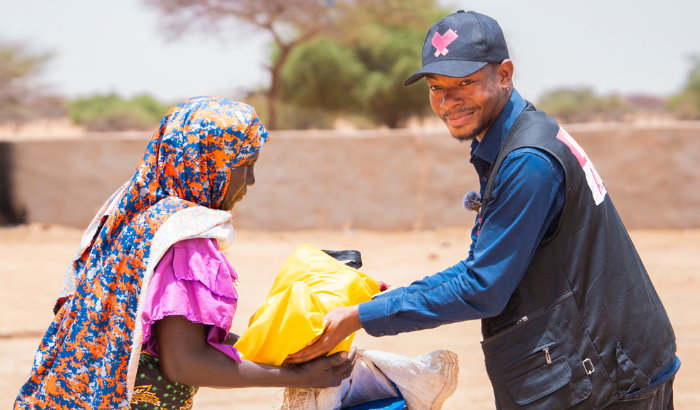
This practice takes on its full humanitarian meaning when the sacrifice is performed in a country where populations lack food. The meat is then distributed directly to families in need, a few hours after the Eid prayer.
Life ONG offers this proxy sacrifice service in several countries of intervention, including Palestine, Sudan, Mali, and other humanitarian crisis zones. All operations are documented and can be viewed on life-ong.org/aid-al-adha.
To understand everything about the rules of Qurbani, the conditions the animal must meet, and how to choose the right beneficiary country, our article Qurbani 2026: rules of sacrifice, price, and how to perform it by proxy guides you step by step. And to fully benefit from the most blessed day preceding Eid, our article Day of Arafat 2026: meaning, fasting, and virtues explains how to multiply your rewards on May 26.
<aside>📌
Image : photo of a meat distribution by a Life ONG team during Eid al-Adha in a beneficiary country — alt : "Meat distribution Eid al-Adha Life ONG proxy sacrifice country in need"
</aside>
Eid al-Adha in France: practical guidelines
Eid al-Adha is not a legal public holiday in France. However, some employers grant a day off to their Muslim employees. Employees can take a day of annual leave or RTT (reduction of working time) to celebrate the festival.
For prayers, times vary depending on mosques and regions. It is advisable to inquire directly with your local mosque from mid-May 2026.
In France, the sacrifice must be performed in an approved slaughterhouse that complies with French sanitary regulations. It is recommended to book in advance, ideally from early May, to avoid delays.
To understand how your proxy sacrifice can help families in need, our article Eid al-Kabir 2026: how to share your sacrifice with people in need explains everything you need to know. And to delve deeper into the meaning of the Day of Arafat and the recommended fast on May 26, read our article Day of Arafat 2026: meaning, fasting, and virtues of this blessed day.
Sacrifice réalisé en votre nom. Distribution directe aux familles dans le besoin. Pôle relation donateur disponible.
Faire mon don pour le Qurbani →Quelle est la date de l'Aïd al-Adha 2026 en France ?
L'Aïd al-Adha 2026 est prévue le mercredi 27 mai 2026 en France, selon les calculs du Conseil théologique musulman de France (CTMF). Le jour d'Arafat tombe la veille, le mardi 26 mai. Ces dates sont des estimations basées sur les calculs astronomiques et peuvent varier d'un jour selon l'observation officielle du croissant lunaire.
Quelle est la différence entre l'Aïd al-Adha et l'Aïd el-Fitr ?
L'Aïd el-Fitr marque la fin du jeûne du Ramadan et tombe environ deux mois avant l'Aïd al-Adha. On parle souvent de "petite fête" pour l'Aïd el-Fitr et de "grande fête" pour l'Aïd al-Adha, cette dernière étant généralement considérée comme la plus importante sur le plan théologique. L'Aïd al-Adha met l'accent sur le sacrifice, le partage et le souvenir de l'épreuve d'Ibrahim.
L'Aïd al-Adha est-il un jour férié en France ?
Non. L'Aïd al-Adha n'est pas un jour férié légal en France. Les salariés peuvent poser un jour de congé ou de RTT pour célébrer la fête, mais il n'existe pas de disposition légale nationale en ce sens.
Peut-on déléguer son sacrifice à une ONG ?
Oui. La tradition islamique autorise le sacrifice par procuration (Al-Wakala). Vous confiez la somme correspondante au prix de l'animal à une organisation de confiance, qui se charge d'effectuer le sacrifice en votre nom et de distribuer la viande aux populations dans le besoin. Life ONG propose ce service dans plusieurs pays d'intervention. Le pôle relation donateur de Life peut vous renseigner sur les modalités.
Jusqu'à quand peut-on faire son sacrifice pour l'Aïd al-Adha 2026 ?
Le sacrifice peut être accompli le jour de l'Aïd (27 mai 2026) et durant les trois jours de Tachriq qui suivent, soit jusqu'au 30 mai 2026. Pour un sacrifice par procuration via Life ONG, le don peut être effectué jusqu'au dernier jour de l'Aïd.
.avif)
Feed a person who is fasting, give Zakah Al Maâl or do a sadaqa.
I give
.png)