

Bangladesh: How the restoration of 32,000 mangroves has transformed the lives of families

On the shores of bangladesh, one of the countries most affected by climate change, the local population has been living for years to the rhythm of storms, rising waters and erosion. In this context, an ecological project carried out in Matarbari by Bangla-German Sampreeti (BGS), with the support of LIFE through the initiative Sapousse, offers an innovative response to protect nature and strengthen the economic resilience of local families.
After only one year, the results are compelling, showing how an ecological initiative can make a lasting difference in lives. 🙏
Matarbari, an exposed territory
In Matarbari, in the district of Cox's Bazar, residents face major challenges related to their direct proximity to the sea: the constant erosion of the coastline, the gradual salinization of the land, the disappearance of vegetation, the disappearance of vegetation, the intensification of storms, and the loss of traditional means of subsistence.
In some villages, the invasion of salt water has made farming almost impossible, plunging families into fear of losing their homes and possessions.
This project was designed with a double objective:
- protect nature to ensure the safety and protection of local populations 🌱
- support families by developing reliable sources of income despite a difficult and hostile environment 💰
Thus, it is a question both of preserving the fragile ecosystem and of allowing inhabitants to regain sustainable economic stability through activities adapted to their conditions.
32,000 mangroves: a natural rampart that has become a source of hope
The planting of 32,000 mangrove plants on 2.6 km of coastline was a titanic work, carried out largely by the inhabitants themselves. 🌿
Mangroves play a vital role in coastal protection, they:
- stabilize the soil and slow down erosion,
- absorb wave energy during storms,
- filter water and improve the quality of the ecosystem,
- store carbon,
- promote the return of animal species essential to ecological balance.
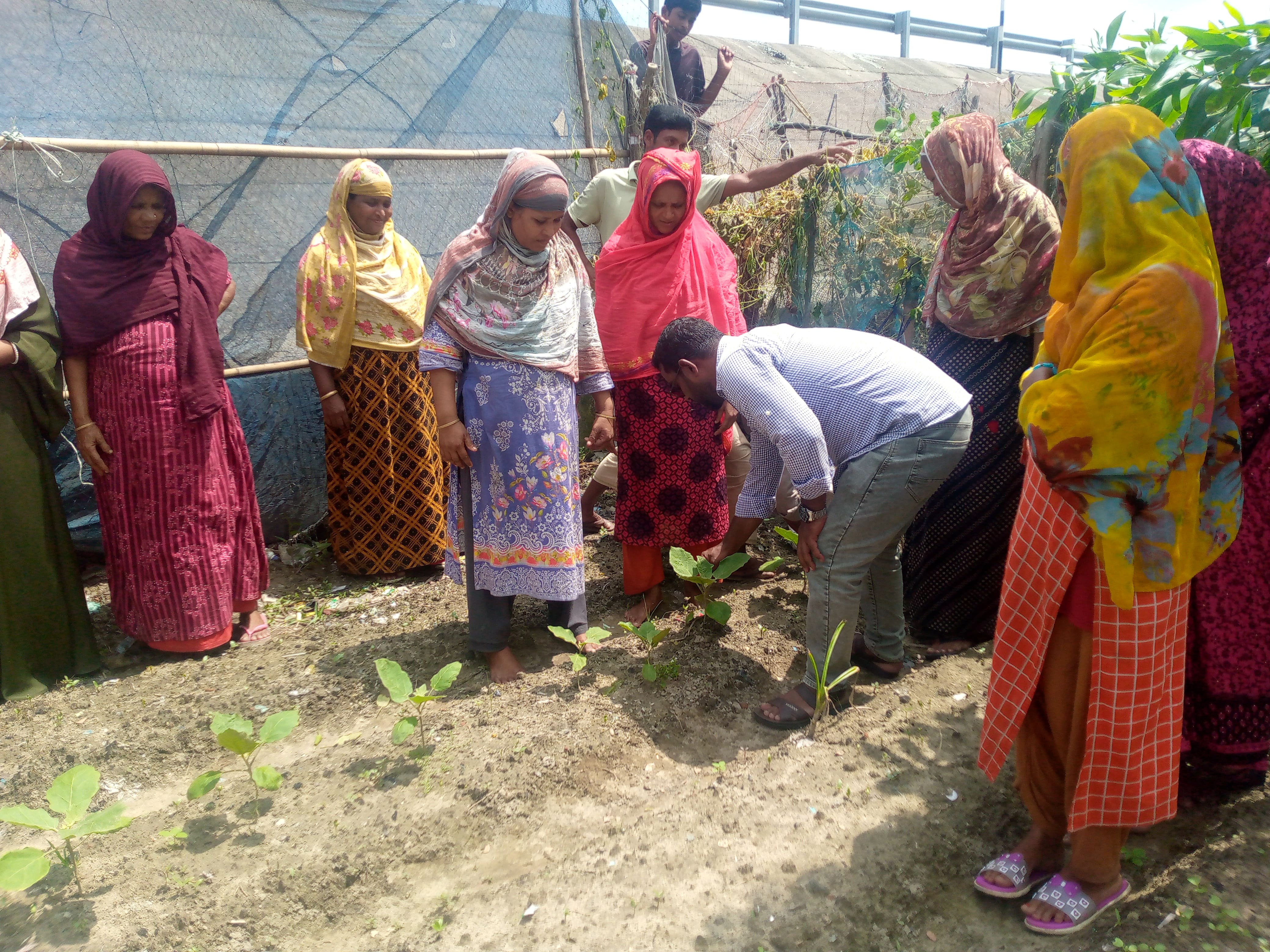
For residents, this means above all more security. Where the water rose a little more each year, families now see a green rampart rising and growing.
“We used to be afraid every rainy season. Now we see the trees growing. They protect our home like a living barrier.”
— Testimonial from a person who benefitted from the program
Two model farms: a lever for community resilience
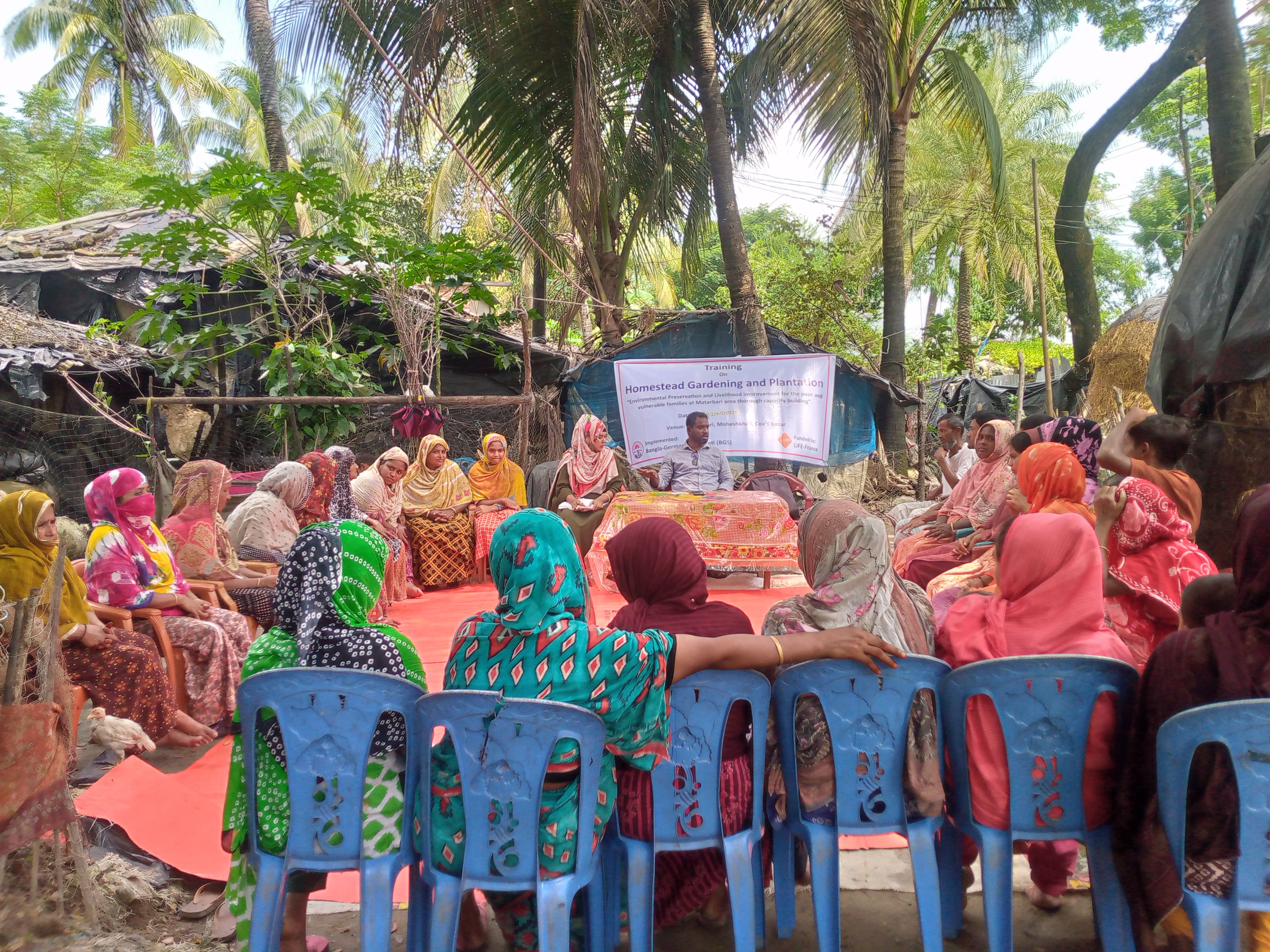
To make the project sustainable, two Village Model Farms were created. These farms play an essential role in training and empowering residents.
They allow:
- to produce new plants for the maintenance and expansion of mangroves,
- to experiment with crops that are resistant to salinity,
- to train farmers in climate-smart agricultural methods,
- to create real community economic centers.
These farms are no longer just places of production:
they have become centers of transmission, learning and local coordination.
100 families supported: a concrete change in daily life
Thanks to your generosity, these are 100 families who were supported in launching or strengthening income-generating activities. This support was crucial: most used to live from day to day, without financial security, dependent on increasingly poor harvests.
Each family received...
- 13 seed varieties
- 14 types of fruit plants
- agricultural tools and inputs
- continuing education
- personalized follow-up
- financial and material support to launch an activity
Each family was able to create at least two sources of income, in order to secure their future despite the vagaries of the weather.
Three women who regained their dignity and their future
Hasina Begum: from survival to stability
Hasina, a widow, lived in great poverty. She earned about 50 BDT per day (€0.30). Insufficient to feed her children. Thanks to the project, she received 10 local hens, grains and fruit plants. Today, she sells vegetables and eggs for 200 to 300 BDT (1.5€ to 2€) per day.
“I had no hope anymore. Now I can feed my kids every day. I can even think about their future.” she confides.
Nasima Begum: the craftswoman who became an entrepreneur
A seamstress, Nasima earned very little. The project allowed him to acquire tools, diversify his income and create a small home production space.
Her income has almost doubled, allowing her to provide for her daughters. “I no longer depend on anyone to survive. I am able to support my family.” Expresses the mother of the family.
Yeasmin Akter: turning an absence of land into an opportunity
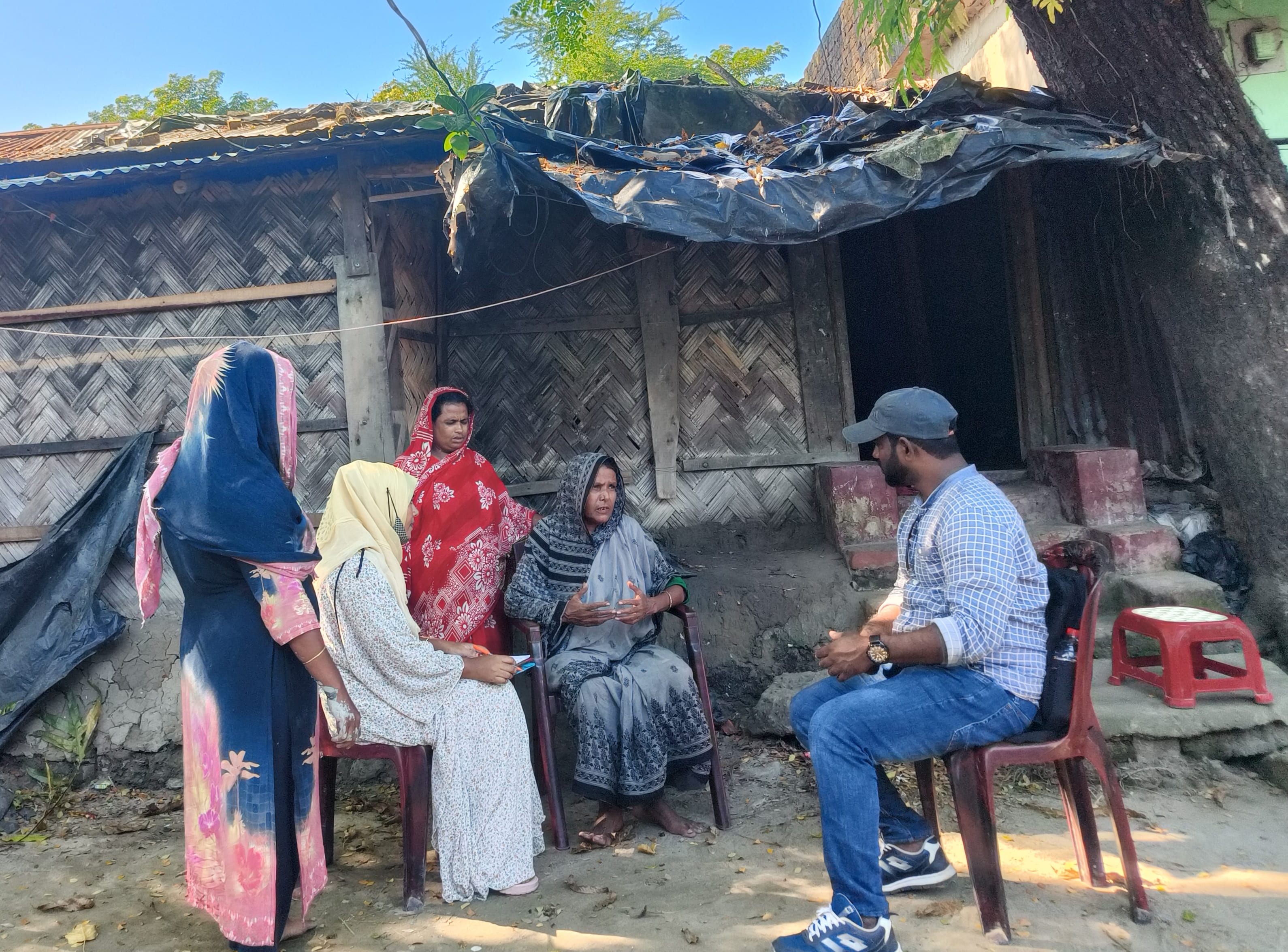
Yeasmin did not have agricultural land. The project taught her how to use the small spaces around her house to grow vegetables. She also started a business selling betel nuts. His income is now steady, which had never happened before.“We are living better, eating better, and above all... we have found hope” says Yeasmin.
Training and raising awareness for a sustainable future
Because a project is only sustainable if it transforms behaviors, more than:
- 1 600 people participated in
160 awareness sessions, - 7,200 educational materials have been distributed.
The topics covered:
- adapting to climate change
- disaster risk management
- biodiversity
- waste management
- mangrove maintenance
These sessions made it possible to mobilize the entire community around the protection of their environment.
.jpg)
A project that transforms landscapes as much as lives
In one year, this program has:
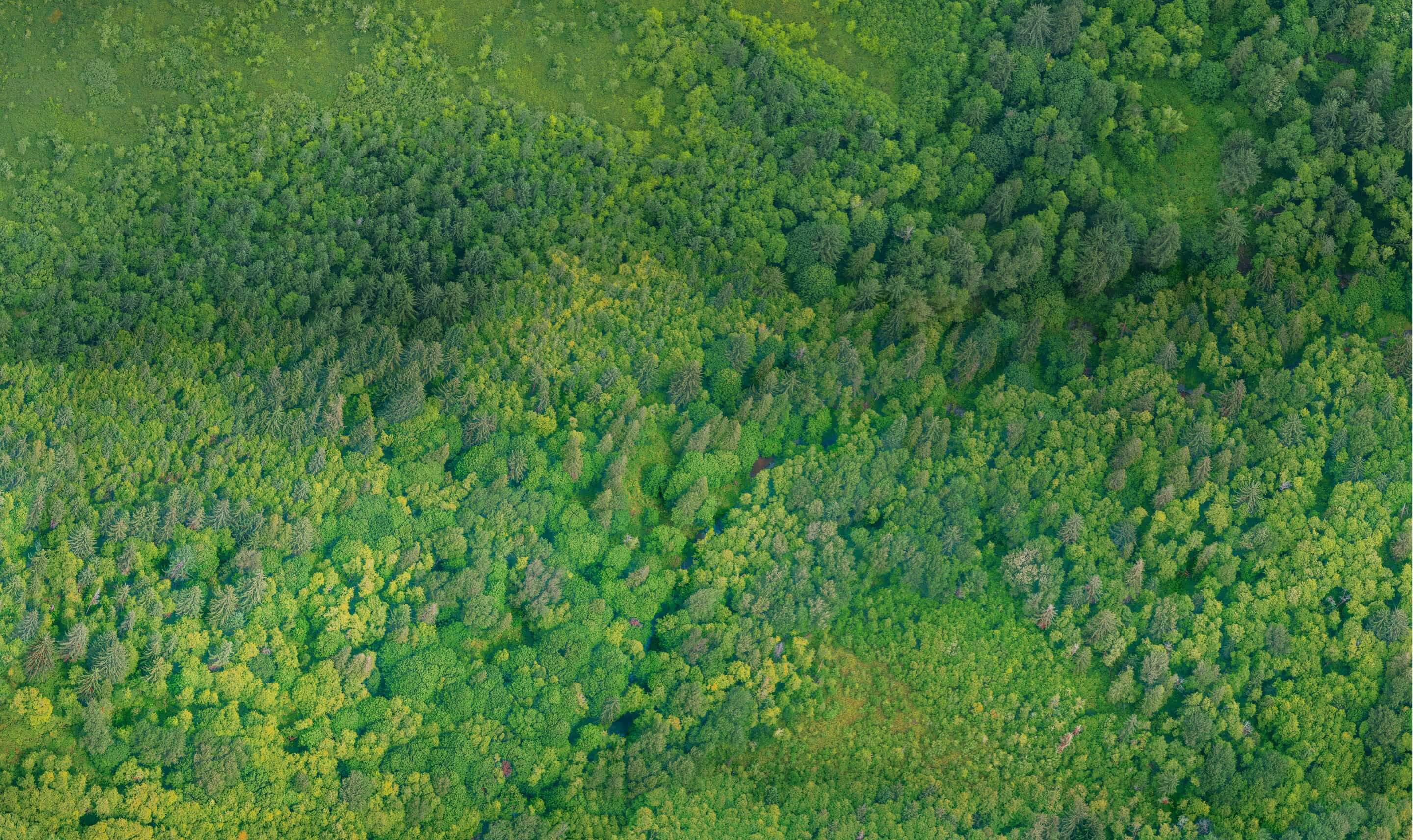
- restored the coastal ecosystem
- protected villages against storms and erosion
- formed more than 1,600 inhabitants
- offered sustainable sources of income to 100 families
- created a repeatable model for other regions
- restored dignity and hope to hundreds of people
This project shows that in Helping nature come back to life, we also allow entire communities to rebuild themselves fully.
Together, let's continue to create lasting change for our planet and local communities. 💪
.jpg)
.jpeg)

.avif)
