
Building a well in Africa: steps, costs, and testimonials
- Building a well is not just drilling: it is a 7-stage project, from the soil survey to training a village management committee.
- Depending on the region, the water table must be reached between 20 metres and sometimes nearly 200 metres deep. Drilling itself takes a few hours, but the complete project spans several weeks to several months.
- With Life ONG, a village well is drilled to about 20 metres and fitted with a pump: it serves around 500 people.
- A well in Africa is funded for €2,650, or about €901 after the 66% tax reduction.
- The donor receives the GPS coordinates, photos and a commemorative booklet. The well can be named, including after a loved one.
People often think a well is just a hole dug until water is found. The reality is richer and far more interesting. Building a well that lasts for years requires a precise method, technical expertise, and genuine collaboration with the community. Here is a step-by-step look at how a well construction project in Africa unfolds.
Before digging: why location changes everything
The very first question isn't "how to dig" but "where to dig." Choosing the wrong spot risks drilling in vain or finding water that isn't safe to drink.
That is why everything begins with a site survey conducted by a geologist. Using a device that measures soil resistance at various depths, they identify the spot where the groundwater is most accessible and reliable. This step determines everything else: the drilling depth, the necessary equipment, and ultimately, the cost.
Because depth varies enormously from one region to another. In some areas, water is found at about twenty meters. In others, you have to go much deeper, sometimes nearly 200 meters. The deeper the water table, the longer and more expensive the project.
A drilled well reaches deep groundwater, naturally better protected from contamination than the surface water of a river or pond. That is what makes all the difference in health terms between a well and an open-air water point.
The 7 steps of well construction
Once the location is confirmed, the project follows a precise sequence. Here are the 7 steps that transform a bare plot of land into a sustainable water source.
- Soil analysis. The geologist locates the water table and selects the most promising drilling point.
- Drilling. A drill rig bores down to the water table. This spectacular stage often takes only a few hours once the machine is in place.
- Casing. Partially permeable pipes are inserted into the hole, surrounded by fine gravel, to allow water to enter while filtering out impurities.
- The pump. The system to draw up the water is installed: a hand, electric, or solar pump, depending on the village's needs.
- The wellhead. A concrete base is poured around the well to prevent dust and animals from contaminating the water.
- Water testing. A sample is sent to a laboratory to verify that the water is perfectly safe to drink before any consumption.
- The management committee. We train villagers in maintenance and minor repairs, often using a communal fund, to ensure the well remains operational for years.
These steps show one thing: drilling, the image that always sticks, is only one of seven stages. What makes a well last is everything that happens before and after.
Believing the project ends when the water gushes out. A well without a wellhead becomes contaminated, a well without a management committee breaks down at the first pump failure. Durability depends as much on stages 5, 6 and 7 as on the drilling itself.
How long does it take to build a well?
It's a common question, and the answer is often surprising. The actual drilling may only take a few hours. But the complete project spans a much longer period.
Between the site survey, transporting equipment to sometimes very isolated villages, drilling, installing equipment, water analysis, and training the management committee, it takes anywhere from several weeks to several months. In the most remote or difficult-to-access areas, the timeline extends even further.
This time is not wasted: it is what guarantees a solid structure and a community capable of maintaining it. A well built too quickly, without support, is a well at risk of being abandoned.
What exactly does your donation fund?
At Life ONG, building a village well follows this exact logic. The well is drilled to about 20 meters and equipped with a mechanical or electric pump. On its own, it provides water to about 500 villagers.
The funding for a well is set at €2,650 in Africa. This amount covers all 7 stages, from the survey to the management committee. And thanks to the 66% tax deduction available for donations to public interest organizations, this €2,650 donation actually costs about €901 after the deduction. To understand the details of this budget item by item, our article How much does a well cost in Africa? breaks down every cost.
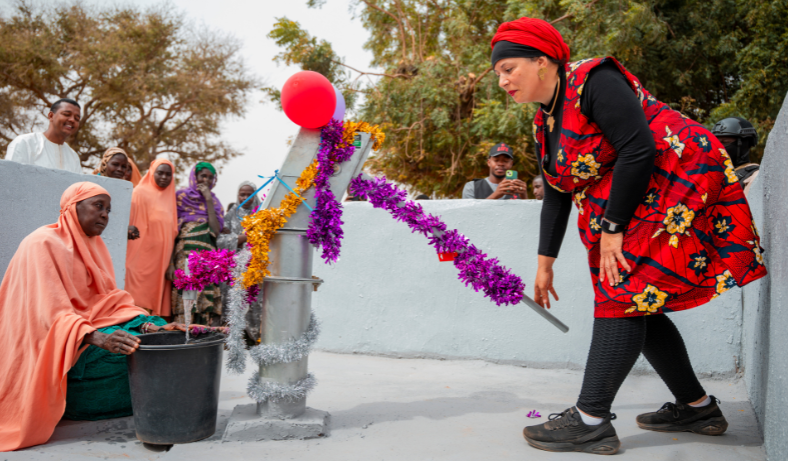
Once the well is completed, the donor receives the GPS coordinates of the structure, photos, and a souvenir booklet. The well can bear a name: yours, that of a loved one, or in memory of someone who has passed away. To donate a well in honor of someone, our article Donating a well in the name of a loved one explains the process.
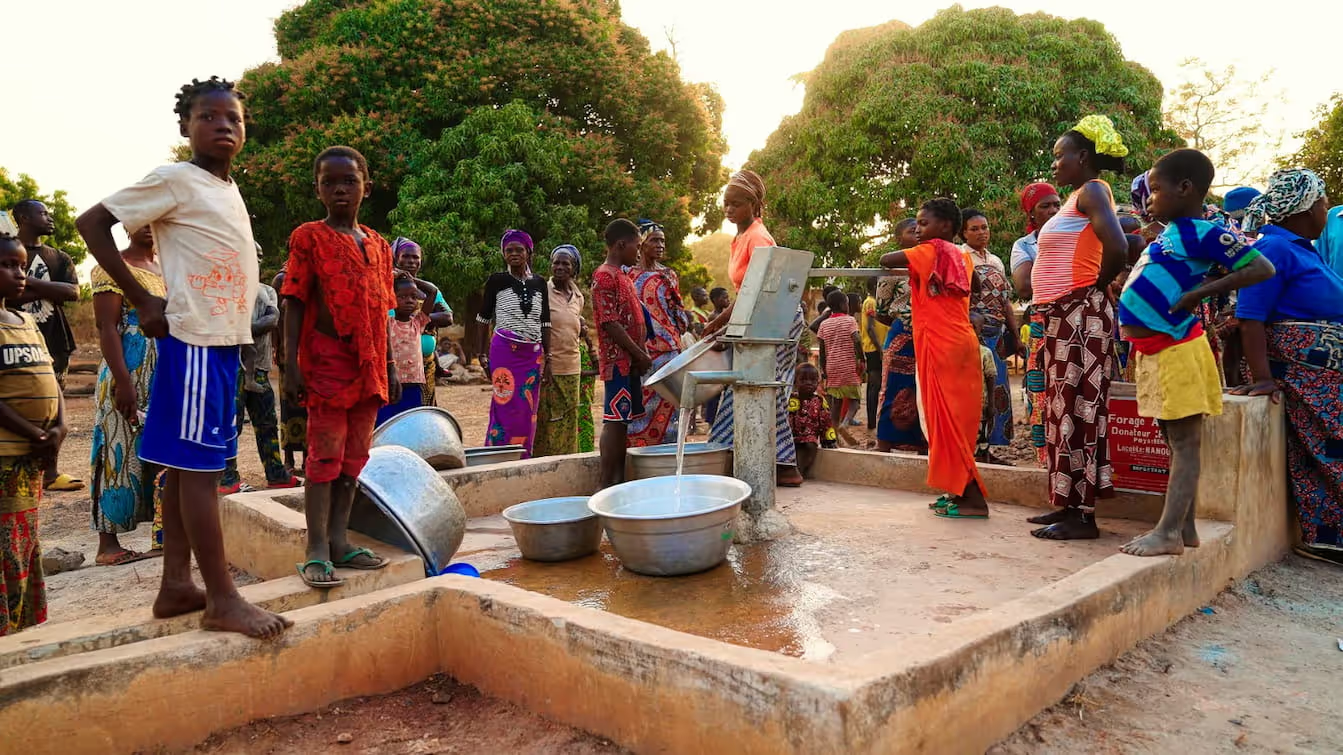
Around 500 people gaining access to drinking water a few steps from their homes. Women and children freed from hours of daily walking. Farming and livestock made possible. A village that gains autonomy.
A well, and then what? Water as a starting point
Building a well is never an end in itself. It is the starting point for a broader transformation for an entire village.
Stable and reliable water allows for the irrigation of farmland: food production increases, and livestock can be watered. Water becomes an economic engine, fostering crafts, small businesses, and the creation of local activities. And because children no longer spend their days fetching water, they can return to school.
It is this logic of cascading impact that makes a well one of the most useful donations possible. To understand why donating water offers such a favorable cost-to-impact ratio, our article Donating drinking water: the action with the best cost-to-impact ratio explores the issue in depth.
Discover Life ONG's water programme. €2,650 for a well that serves around 500 people, or €901 after tax relief. GPS tracking, photos and a commemorative booklet. Donor relations team available.
Build a well →How long does it take to build a well in Africa?
The drilling itself often takes only a few hours. But the complete project, from the soil survey to training the management committee, including transporting equipment and testing the water, spans several weeks to several months. In isolated areas, timelines are longer.
What are the stages of building a well?
Seven main stages: the soil survey by a geologist, drilling down to the water table, casing (fitting filter pipes), installing the pump, building a concrete wellhead, laboratory testing of the water's safety, and training a village management committee for maintenance.
At what depth is water found?
It depends entirely on the region. In some areas, the water table is around twenty metres down. In others, you have to drill much deeper, sometimes nearly 200 metres. The deeper the water table, the longer and more expensive the project. With Life ONG, a village well is generally drilled to about 20 metres.
How many people does a well serve?
A Life ONG village well, drilled to about 20 metres and fitted with a pump, provides water to around 500 people. Beyond drinking, it enables crop irrigation, livestock watering, and frees women and children from long walks to fetch water.
How much does building a well with Life ONG cost?
Funding a well in Africa is set at €2,650, which covers the 7 stages of the project, from the survey to the management committee. Thanks to the 66% tax reduction, this donation really costs around €901. The donor then receives the GPS coordinates, photos and a commemorative booklet of the well.